

Welcome to Part 1 of a three-part series on plant-based hair colour longevity. I will cover the following topics: exploring the science of henna and indigo, how these dyes interact with hair and the right protocol for achieving long-lasting colour and coverage.
If you ask ten people how long henna lasts on hair, nine of them will give you the standard answer: “Oh, about four to six weeks.”
After a decade of formulating plant-based hair dyes and researching the phytochemistry of Lawsonia inermis (henna), I still love telling people that this common belief is completely wrong.
Pure Henna Is Permanent on Hair
It does not wash out like a semi-permanent hair dye after a dozen shampoos. It grows out with your hair. To understand why your roots start showing after a month while the colour itself hasn't gone anywhere, we have to look at how henna interacts with keratin—on your hair, your skin and even your fingernails.
The Molecular Handshake: How Henna Binds
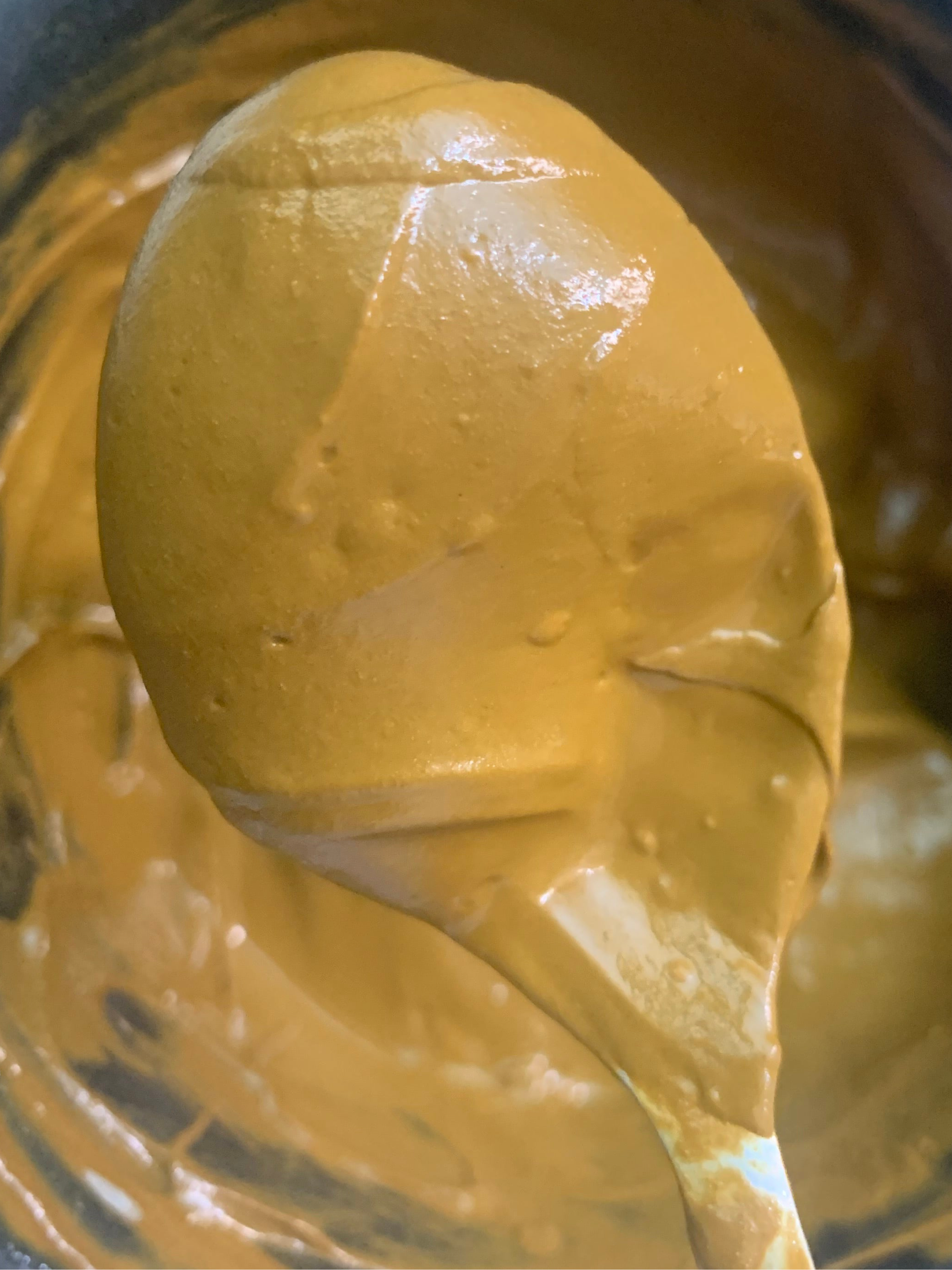
When you soak pure henna powder with a mildly acidic liquid and leave it to rest, you aren't just making some green paste—you are releasing a small, active dye molecule called lawsone (2-hydroxy-1,4-naphthoquinone). It is transparent in the paste, ready to bind to your hair keratin and oxidise to achieve the red-orange stain.

The henna dye molecule in its active form, is tiny enough to slip past the outer cuticle of your hair shaft into the cortex.
One of the biggest myths in natural hair care is that henna coats the hair. In reality, lawsone moves past the cuticle and enters the hair fibre, forming a permanent covalent bond with keratin rather than sitting on top like paint.
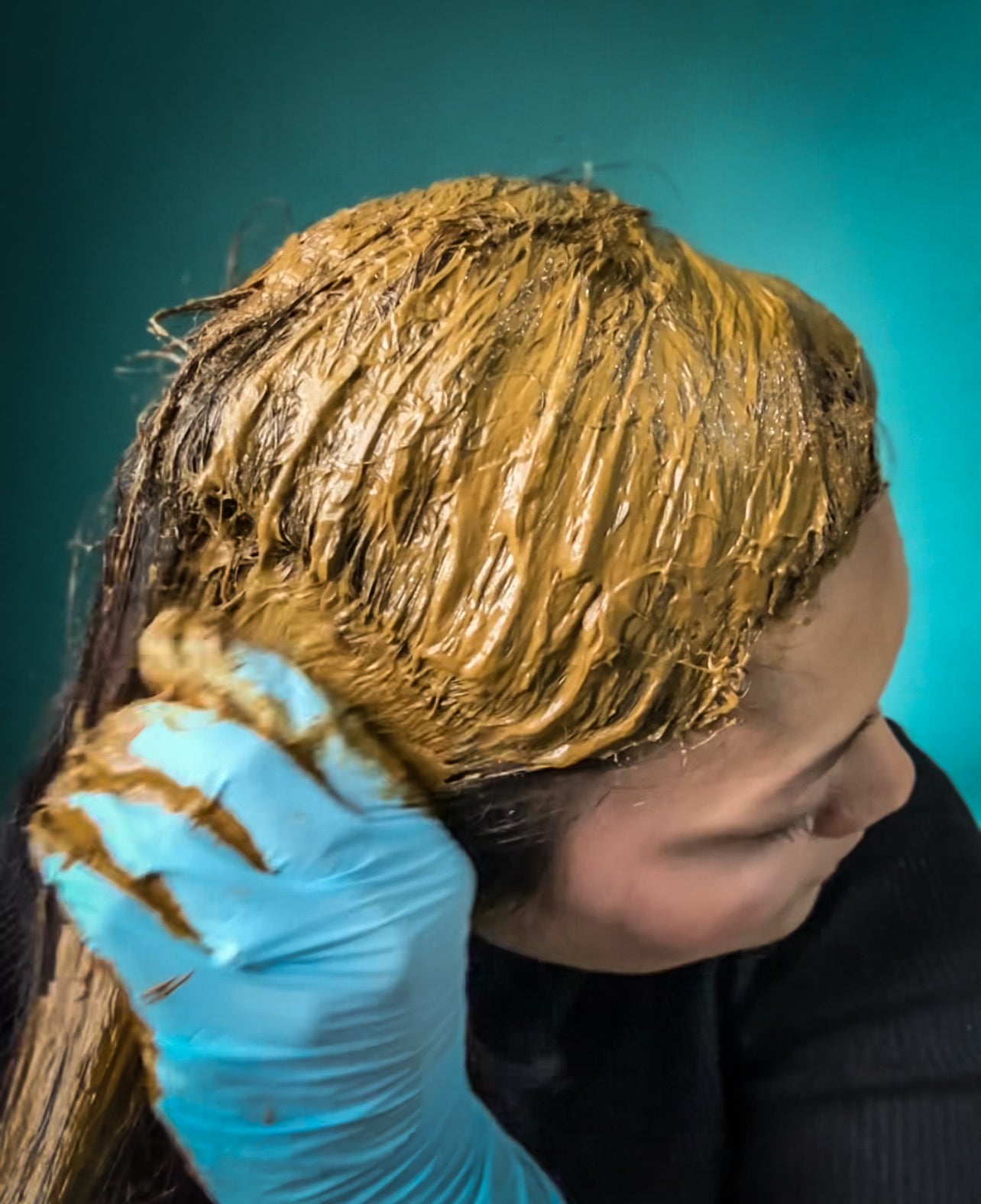
As you apply the dye-released henna paste on the hair, the active lawsone enters the hair fibre and undergoes a chemical process (a Michael addition reaction) to form a permanent covalent bond with the keratin. Covalent bonds are one of the strongest bonds, unlike weak hydrogen bonds that break down with water. This is precisely why the red stain of beetroot juice washes out of hair with shampoo while henna remains permanent.

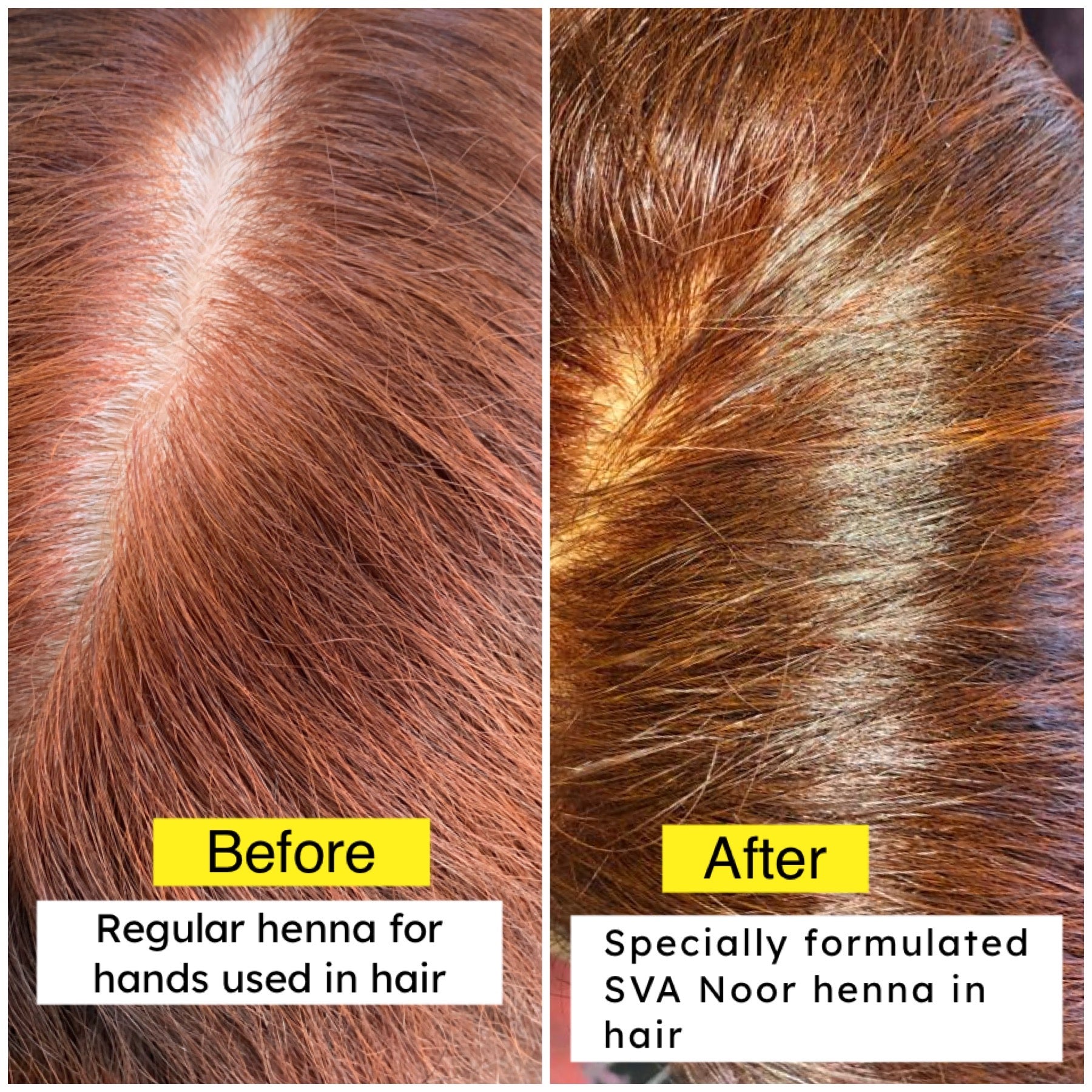
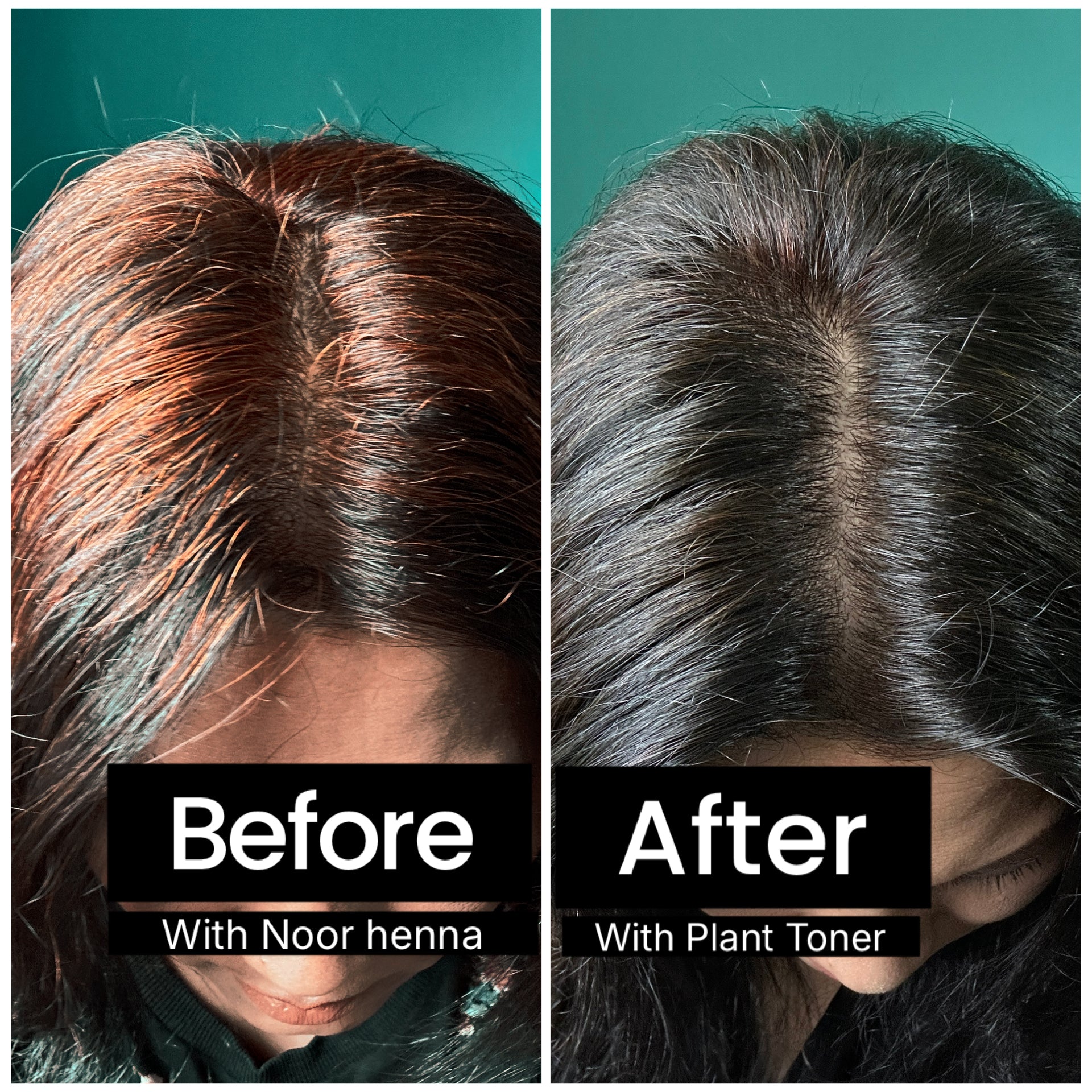
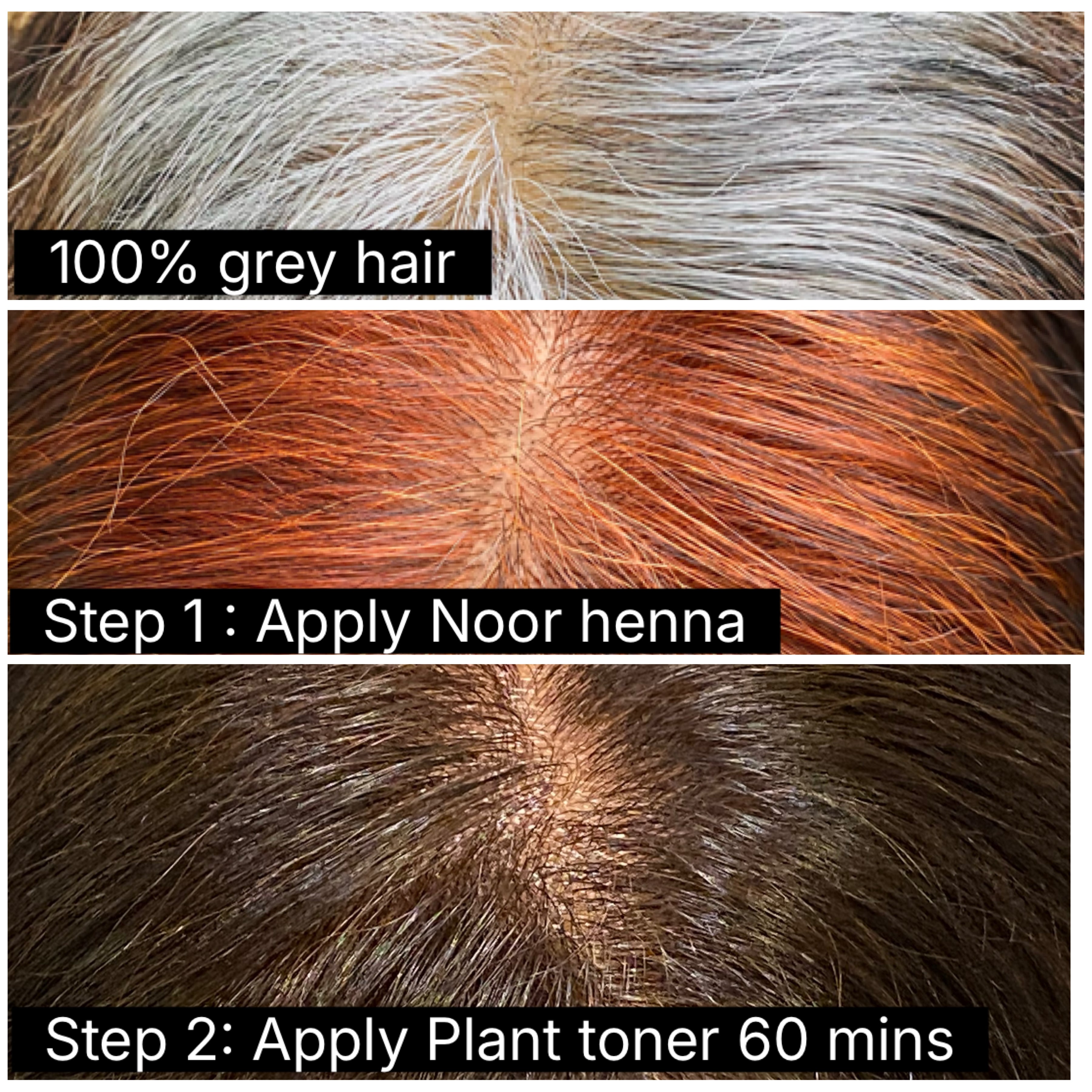
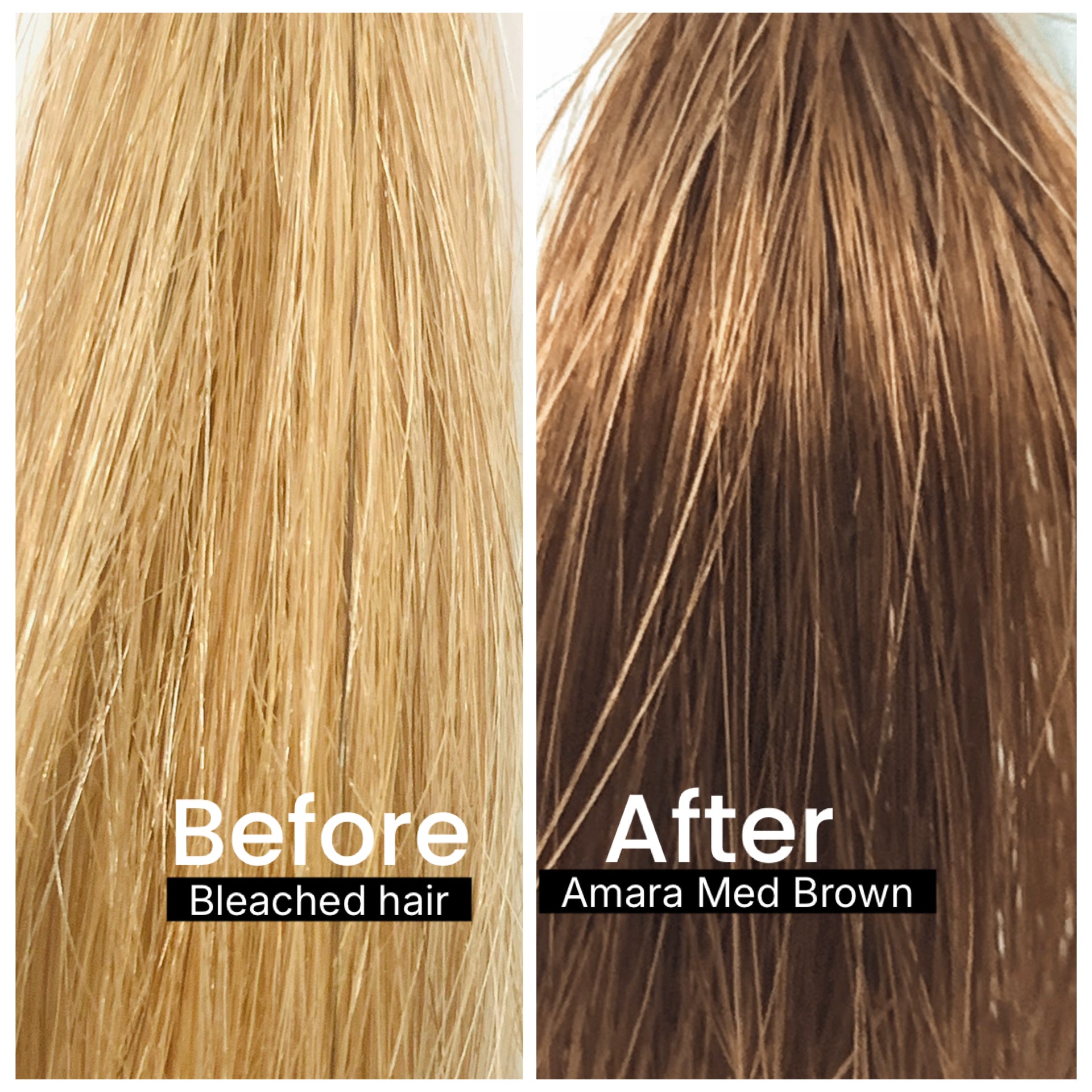
Once lawsone locks into that protein, it’s there for good. It quickly oxidises to a bright red-orange stain, which visibly deepens over the first 48 to 72 hours. However, micro-oxidation continues over the next 9 to 10 days, gradually maturing the colour into a rich, auburn shade (As shown in the 10-day oxidation photo below). The colour becomes an actual physical part of the hair fibre. It will not wash out and leaves only when the stained section is cut.

If Henna Is Permanent, Why Does It Wash Off Your Skin?
I am often asked, “Will henna stain my skin the way synthetic hair dyes do?” The short answer is no, but it raises an interesting question:
If lawsone forms a permanent bond with keratin, why does henna wash off your skin while staying on your hair forever?
The answer comes down to whether the keratin is static or shedding:
-
On the Skin: Lawsone binds to keratin-rich dead cells in the outer layer of your skin, called the stratum corneum. The bond is permanent, but your skin constantly sheds these cells through natural exfoliation. As the stained cells slough off, the henna stain fades.

-
On Fingernails: Fingernails are made of hard keratin that does not exfoliate. If henna stains your nail, the colour will not wash away, no matter how often you scrub. It remains in the nail plate and moves towards the tip as the nail grows.

-
On Hair: Like fingernails, hair does not shed its structural keratin cells. Once lawsone binds to the hair shaft, that section remains permanently stained. The colour grows with your hair and leaves only when the stained section is cut.

Why Do People Think Henna Lasts Only 4 to 6 Weeks?
If the stain on the hair shaft is permanent, why do most people feel like they need a touch-up every month?
It comes down to two things: growth rate and indigo chemistry.
1. Fresh Growth, Not Washing out
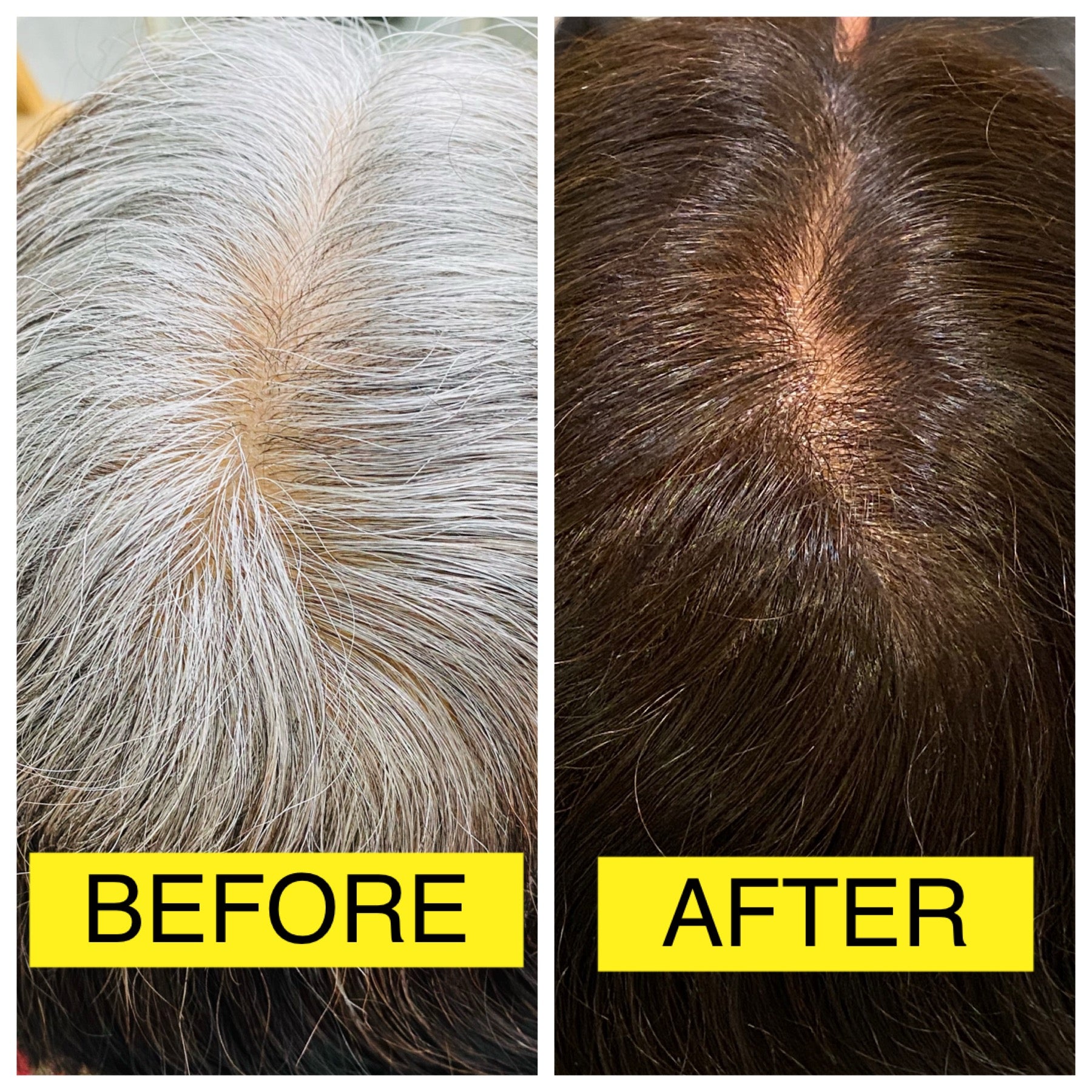
Hair grows, on average, half an inch per month. If you have greys along your parting, hairline, sideburns or temples—that fresh, unstained, white growth becomes noticeable within 2 to 3 weeks. What you are seeing isn't old henna washing down the drain; it's brand-new hair emerging from your scalp.

2. The Henna vs. Indigo Dynamic
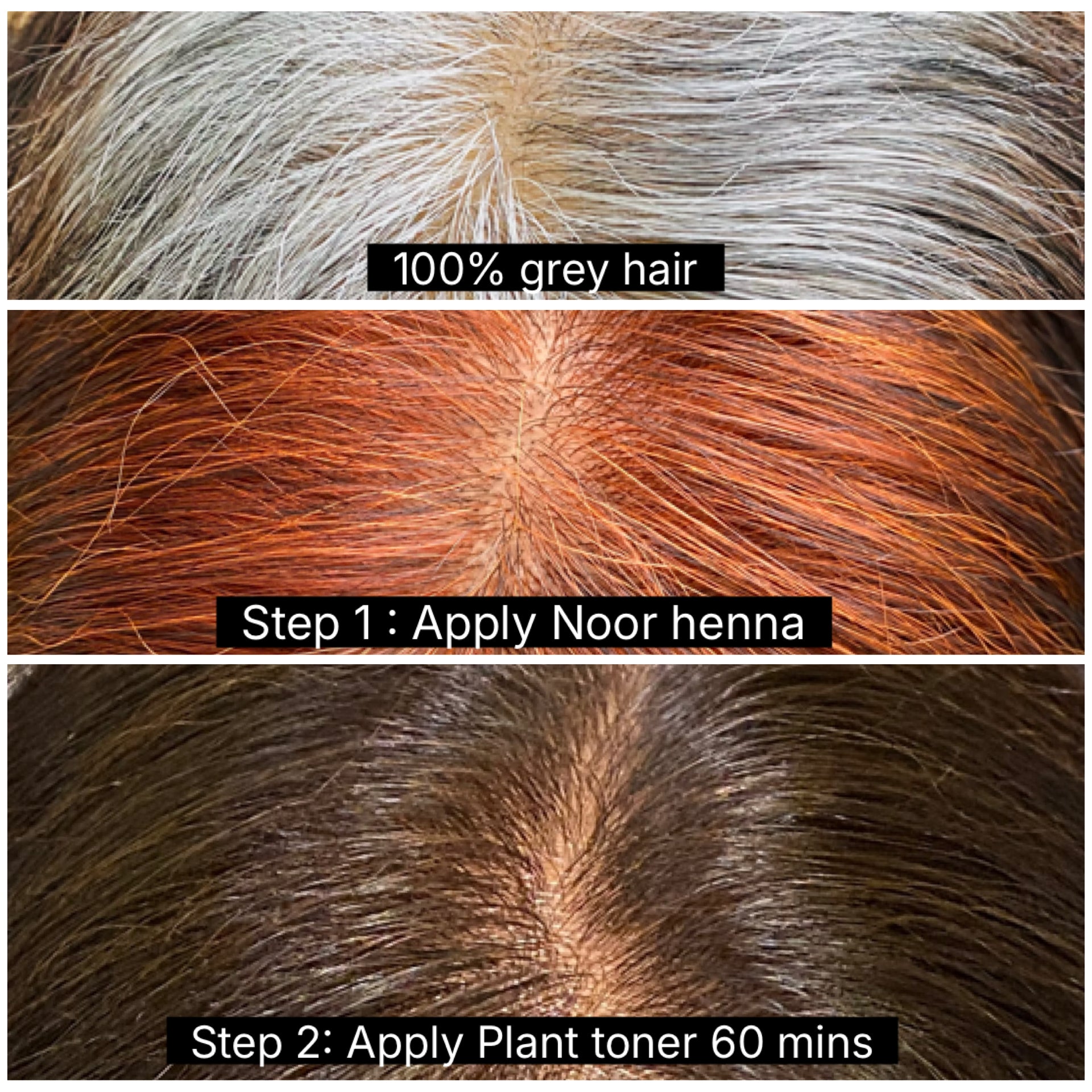
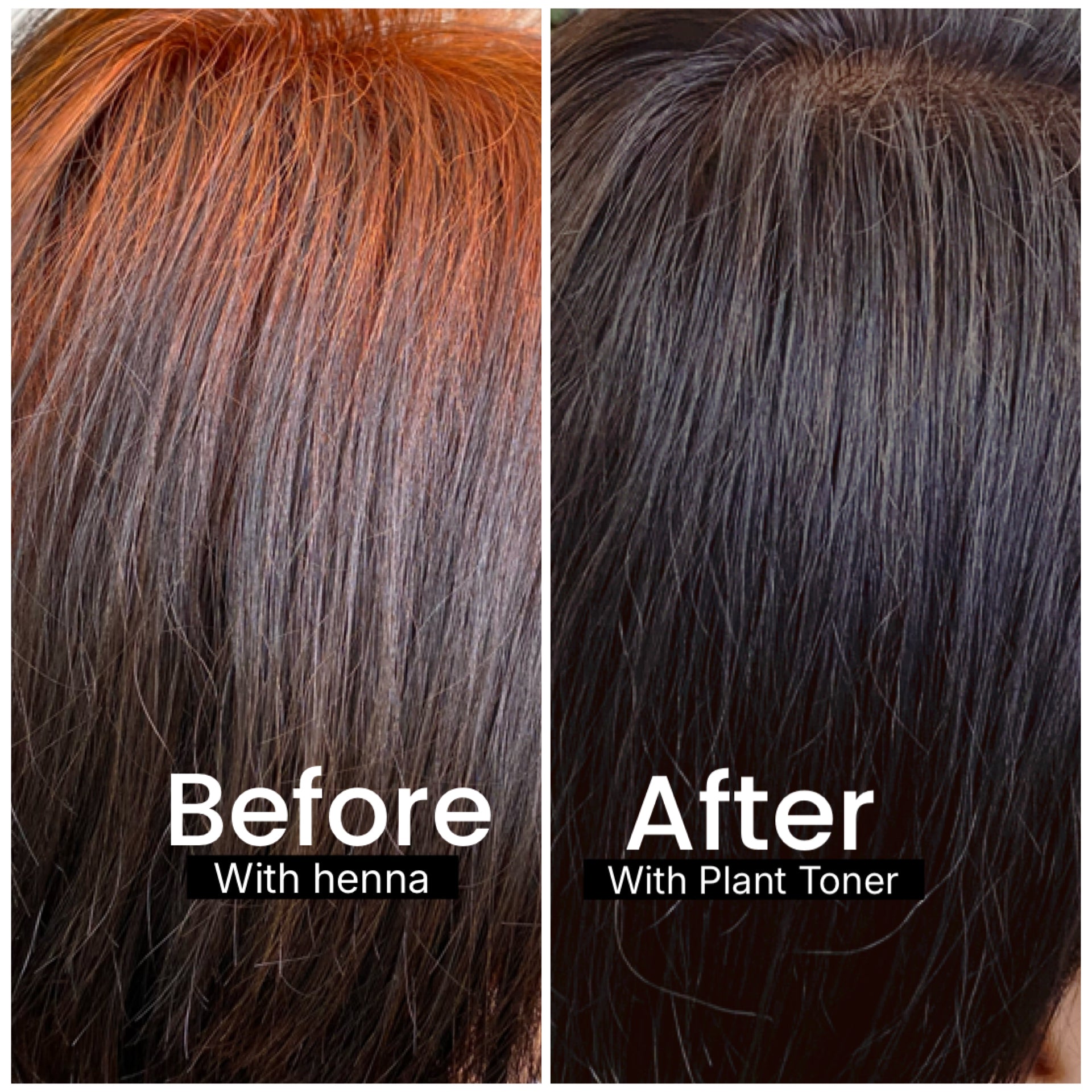
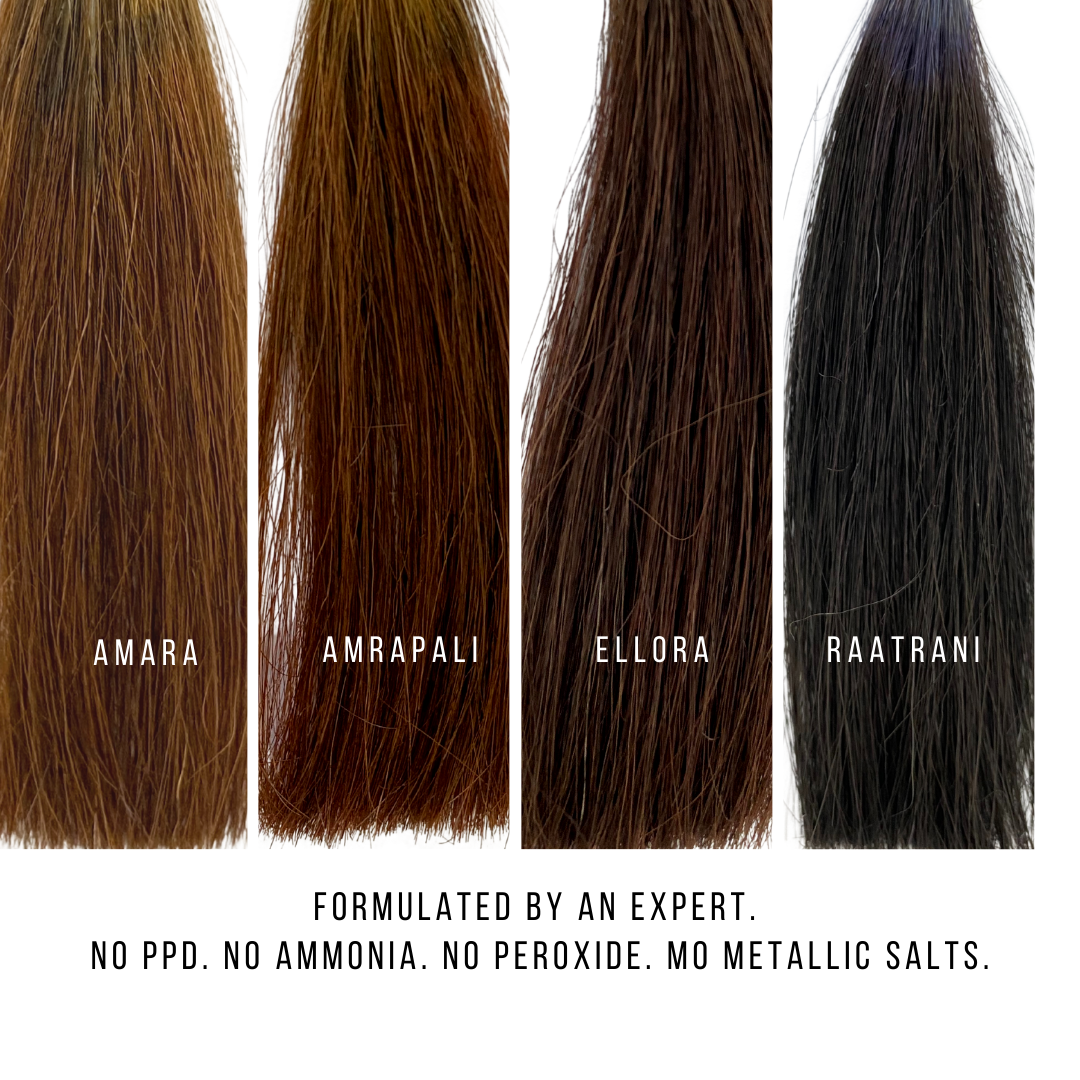
When we formulate natural brown or black shades, we pair henna with indigo (Indigofera tinctoria). Here’s the catch: indigo does not bind to hair the same way henna does. I explain this in detail in Part 2 of this series.
While henna forms a tight, permanent covalent bond inside the hair cortex, indigo molecules are held differently within the hair structure. Over time—especially if exposed to harsh sulfates, hot water or clarifying shampoos—the indigo component can soften or wash out slightly, revealing more of the warm henna base underneath.
When people say their "henna" faded into a warm brassy tone after 2–3 weeks, what actually happened is that the indigo pigment was stripped from hair, while the underlying henna stayed right where it was.
The Takeaway
Pure henna does not wash away. It is permanent on the hair it has stained. What changes over time is the appearance of new grey growth or the indigo component of a brown or black shade. Understanding how these pigments behave helps you choose the right application method and aftercare routine.
Next in the Series:
In Part 2, we look at how indigo dyes hair and why the two-step method creates deeper, longer-lasting colour — read it here.






0 comments