

Greyed prematurely? Here is a number worth sitting with: if you began greying in your late 20s and choose to cover your greys until your 60s, your scalp could be exposed to hair dye -300 times or more over 30+ years. 😱
That could mean decades of repeated exposure to chemicals like PPD, ammonia, peroxide, ethanol-amine, sulphates, phthalates, artificial fragrances, resorcinol and other allergens commonly found in conventional hair dyes — applied directly to your scalp every 4 to 6 weeks.

Studies on women’s colouring habits consistently show that the average woman colours her hair from her first greys until her early 60s. For women who grey prematurely in their 20s or 30s, this window of chemical exposure is significantly longer than for those who begin greying in their 40s and 50s.
The question is not whether you should cover your greys. It is how you choose to do it — and what you are comfortable putting on your scalp for the next three decades. 30 years of harsh chemicals or a gentler, plant-based choice?
What Are PPD and MEA — And Why Do They Matter?
PPD (p-phenylenediamine) is the primary colouring agent present in most chemical hair dyes including black henna. It is a known carcinogen and one of the most common sensitisers responsible for allergic reactions from hair dye. Repeated exposure can increase the sensitivity risk over time. Flagged as a potent allergen, most countries have regulated the use of PPD in oxidative hair dyes to below 2%.
MEA (monoethanolamine) is used as an alkalising agent in 'ammonia-free' chemical dyes, often marketed as “gentler” alternative. However, ammonia-free does not always mean irritation-free: MEA-based formulas can still cause scalp discomfort, itching, burning, dryness, roughness and long-term hair stress in sensitive users.
For a woman who begins colouring in her late 20s, these are not occasional exposures. They become a lifelong relationship with her scalp chemistry.

Why Hydrogen Peroxide Deserves a Closer Look 👀
Did you know? Every cell in our hair follicle naturally produces a small amount of hydrogen peroxide (H2O2) as a part of regular cellular metabolism. When excess amount of peroxide builds in the hair follicles, it potentially bleaches the natural pigment which can result in greying. If trace amounts of peroxide present naturally in hair follicles are enough to turn hair grey, imagine the damage repeated use of peroxide-based hair dyes could cause.
Every time you use a peroxide-based dye, your hair goes through an oxidation process: natural melanin inside the hair shaft is lightened, synthetic colour is activated and deposited. Over time, the hair fibre can become more porous. For women experiencing premature greying, this matters. Not because one application causes greying but because repeated exposure may gradually increase greys. And the hair is left feeling drier, rougher, more fragile and more vulnerable over time.
The Premature Greying Reality
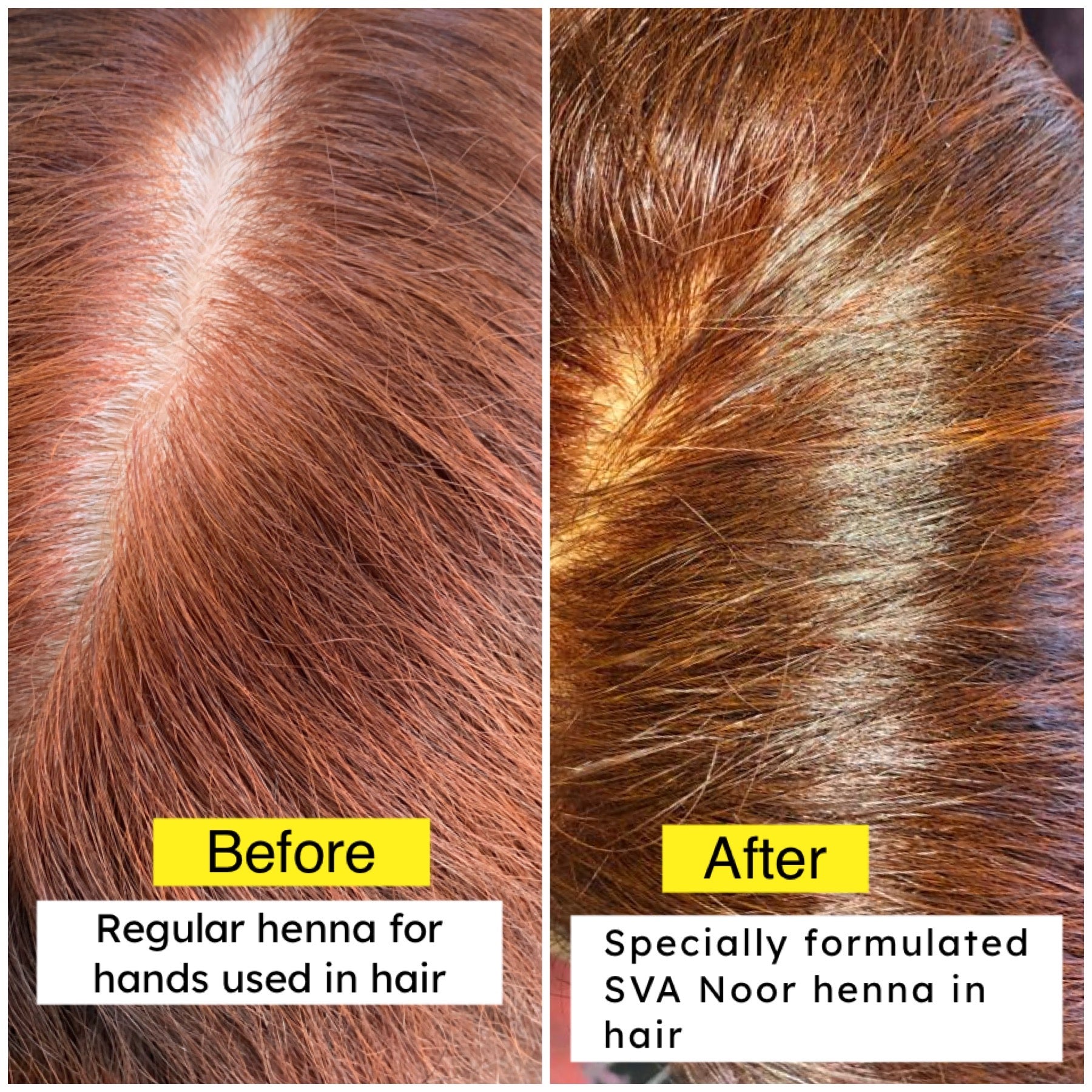
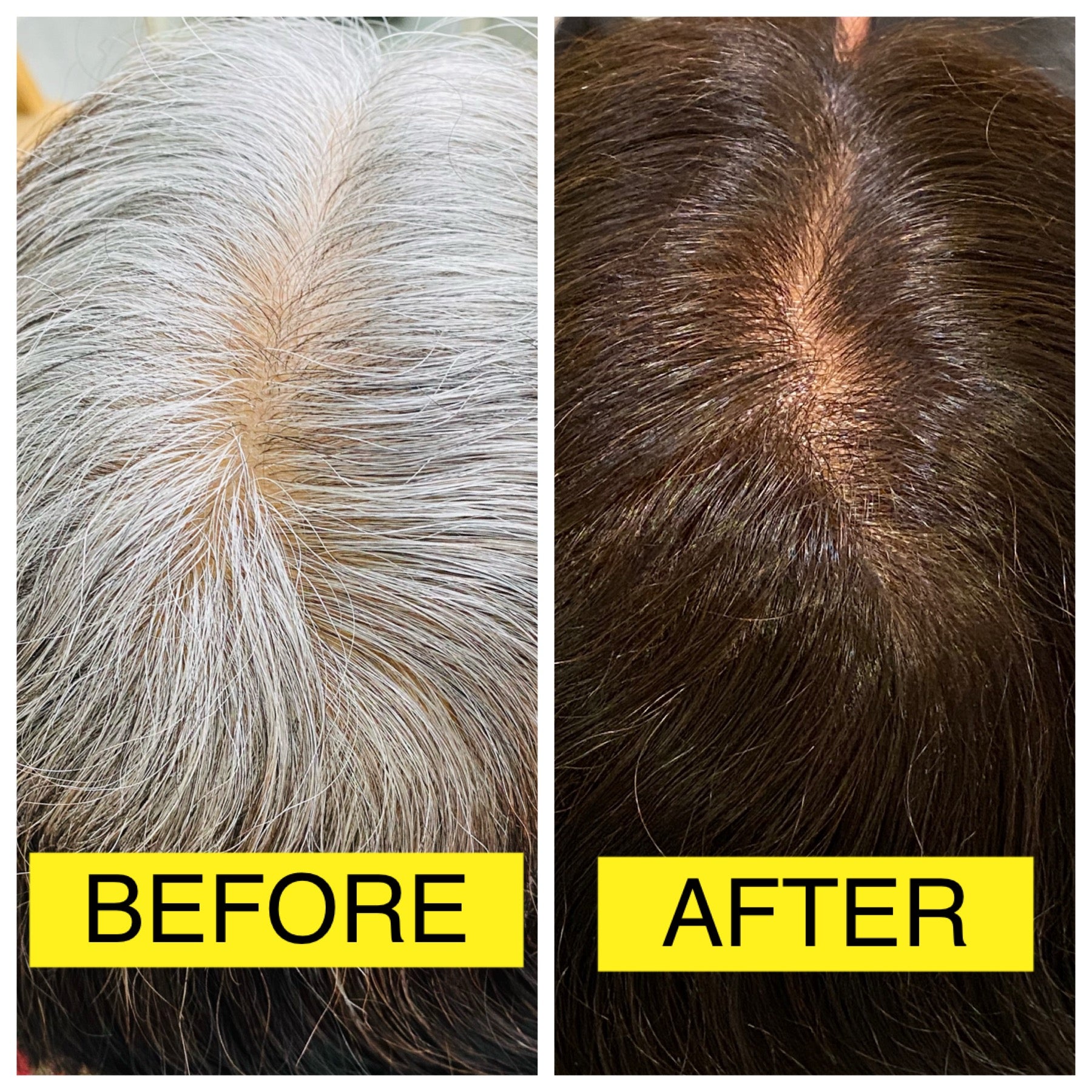
 In the picture above: Client in her mid-30s, with nearly 40-50% grey hair. Started greying in early 20's. Used chemical hair-dyes extensively for 10 years, until scalp was burning, itchy and could not tolerate hair dyes.
Premature greying is increasingly common and influenced primarily by genetics and other factors like nutritional deficiencies (vitamin B12, D, iron, zinc and copper), Thyroid and /or oxidative stress.
While natural greying typically begins in a person's late 30s or early 40s. In case of premature greying, many start noticing grey hair as early as their 20s. In practical terms, this means starting hair dye routines 10 to 15 years sooner—This is a significant exposure of chemicals over lifetime. Lately, I’ve been hearing from worried parents whose children are experiencing premature greying as early as their teens.
Why Plant-Based Hair Dye Is the Smartest Long-Term Choice
“After researching henna and plant dyes for over 10 years, I realised conventional dyes often treat hair like something to bleach, blast and override. Plant-based dyes take a different approach: they treat hair like a delicate fibre to be coloured, supported and nourished.”

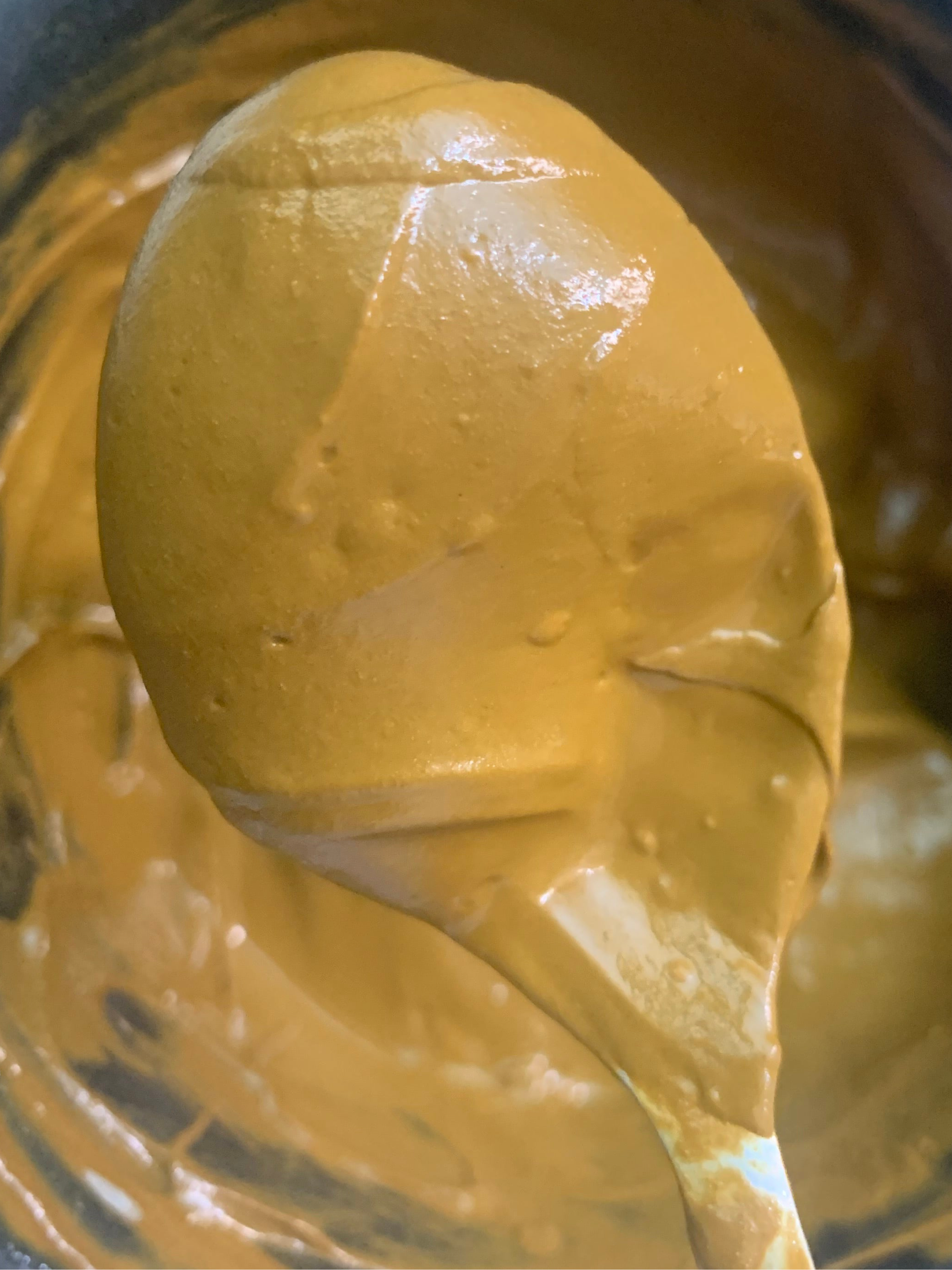
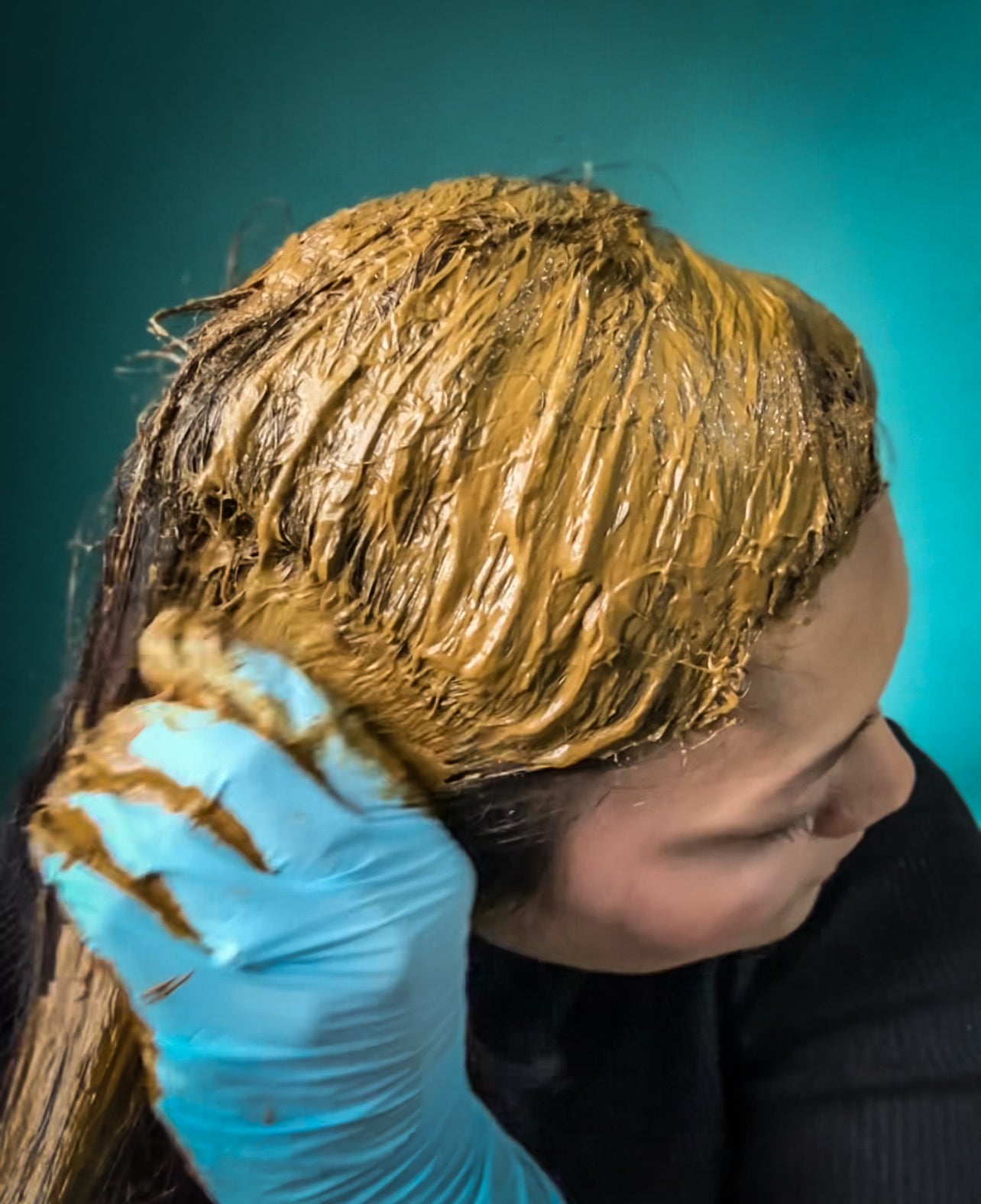
When formulated correctly, botanical dyes containing henna, indigo and plant-derived conditioners like Cassia work with your hair’s natural structure rather than against it. Here are my top 6 reasons to choose Plant Based Hair Dyes for prematurely greyed hair:
- No Cumulative Chemical Sensitisation: Pure plant-based dyes do not rely on oxidative dye agents like PPD, Ammonia or Peroxide which are known to trigger sensitisation and inflammation in some users with repeated exposure.
- Scalp Health Preserved: Botanical formulations with henna help cool, calm & soothe the scalp rather than stripping its natural lipid barrier.
- Hair Integrity Maintained: Protects against protein damage and brittleness caused by oxidative processes.
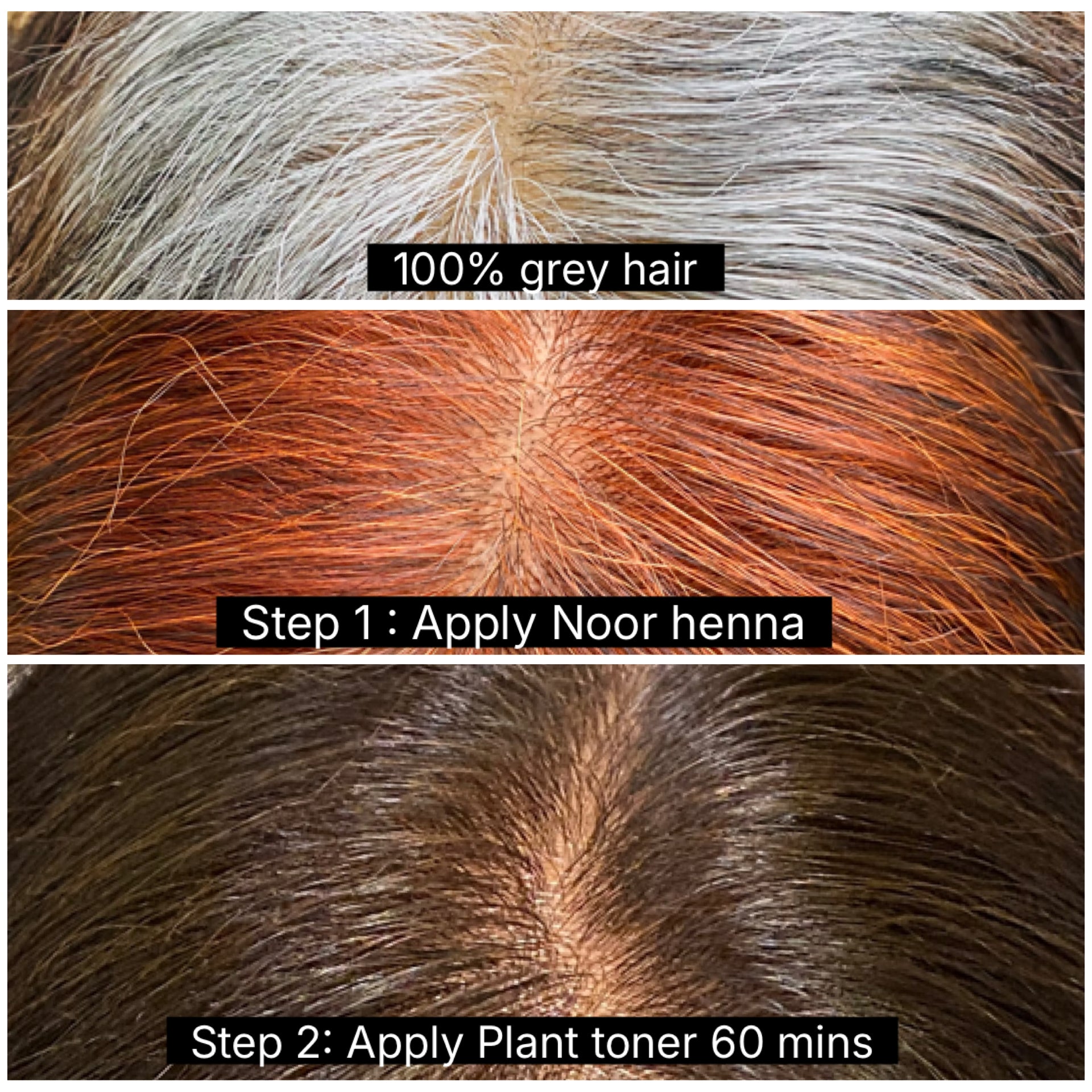
- Effective Grey Coverage : Henna and indigo combined help to cover greys seamlessly, giving you rich, natural colour without harsh chemical processing.
- Improved Hair Texture, Shine, Bounce: With consistent use, plant-based hair dyes help restore your hair's natural vitality, leaving it visibly smoother, shinier and bouncier.
- A More Sustainable Beauty Choice: Plant-based hair dyes use biodegradable botanical powders and avoid the repeated chemical load associated with conventional colouring, making your long-term hair routine gentler on your scalp, your hair and the planet.
- A Health-Conscious Choice: For women who colour often, choosing plant-based hair dye is a simple way to reduce repeated exposure to harsh chemicals, while nurturing the scalp, strengthening hair fibre and caring for long-term wellbeing.

Building Your Gentle Colour Routine 🌿✨
For women with premature greying, a sustainable routine matters as much as the product itself:
- Patch test before you begin: Perform a patch test 24–48 hours before your first application, especially if you have a sensitive scalp or a history of reactions. You can check out our blog on how to patch test here.
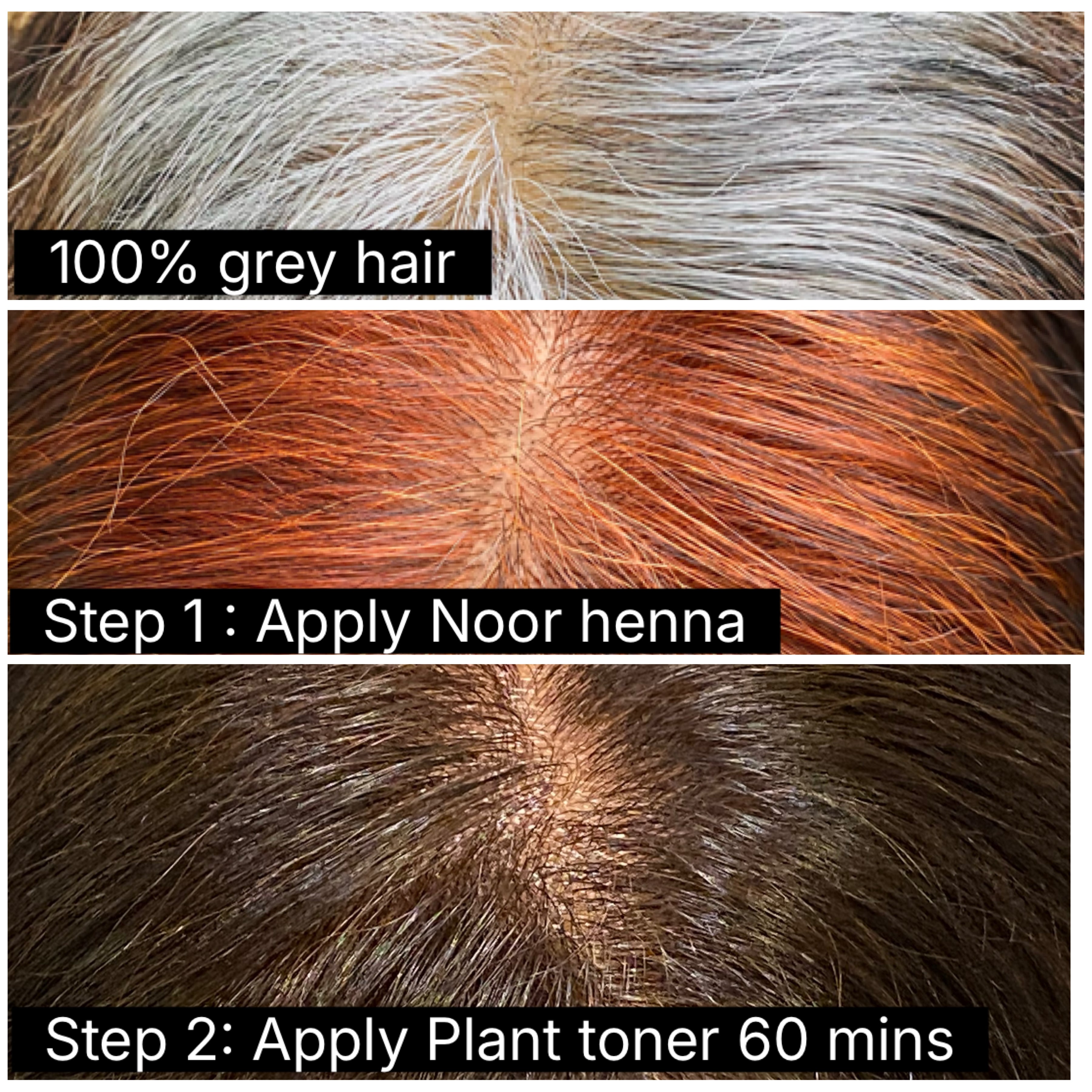
- If you have less than 20% greys, start with Noor Henna only. Henna naturally gives a warm orange-red dye, but when greys are minimal, it blends beautifully with your natural hair colour and creates a soft, sunlit tint rather than an obvious contrast.
- Build a monthly henna ritual if possible. A consistent Noor Henna ritual can help your scalp keep cool, feel soothed and calm while gradually building a beautiful warm tint that glows naturally in sunlight.
- If you have a high percentage of greys, choose a henna-and-indigo protocol. SVA offers effective henna and indigo combinations in both one-step and two-step processes to help cover greys seamlessly in richer brown to black tones.
- Document Your Progress: Take photos in natural light after each application. Note grey coverage, shade depth and how your hair feels, adjusting timing only after observing 2–3 sessions.
- Maintain a 4–6 Week Schedule: A gentle formula lets you maintain a consistent schedule without worrying about over-processing.
Do’s and Don’ts to Manage Premature Grey Hair
- Indulge in a weekly hair-oiling ritual. Gentle scalp massage can support circulation and make your routine feel nourishing, calming and consistent.
- Support circulation mindfully. Gentle inversion yoga poses may help improve scalp blood flow — though results can vary from person to person. If you’re new to yoga, practising with a qualified instructor ensures you get the most out of it safely.
- Use minimal hair products. Shampoo your hair only when it feels greasy. Over-washing your hair can disrupt your scalp’s natural balance, so let your hair guide you.
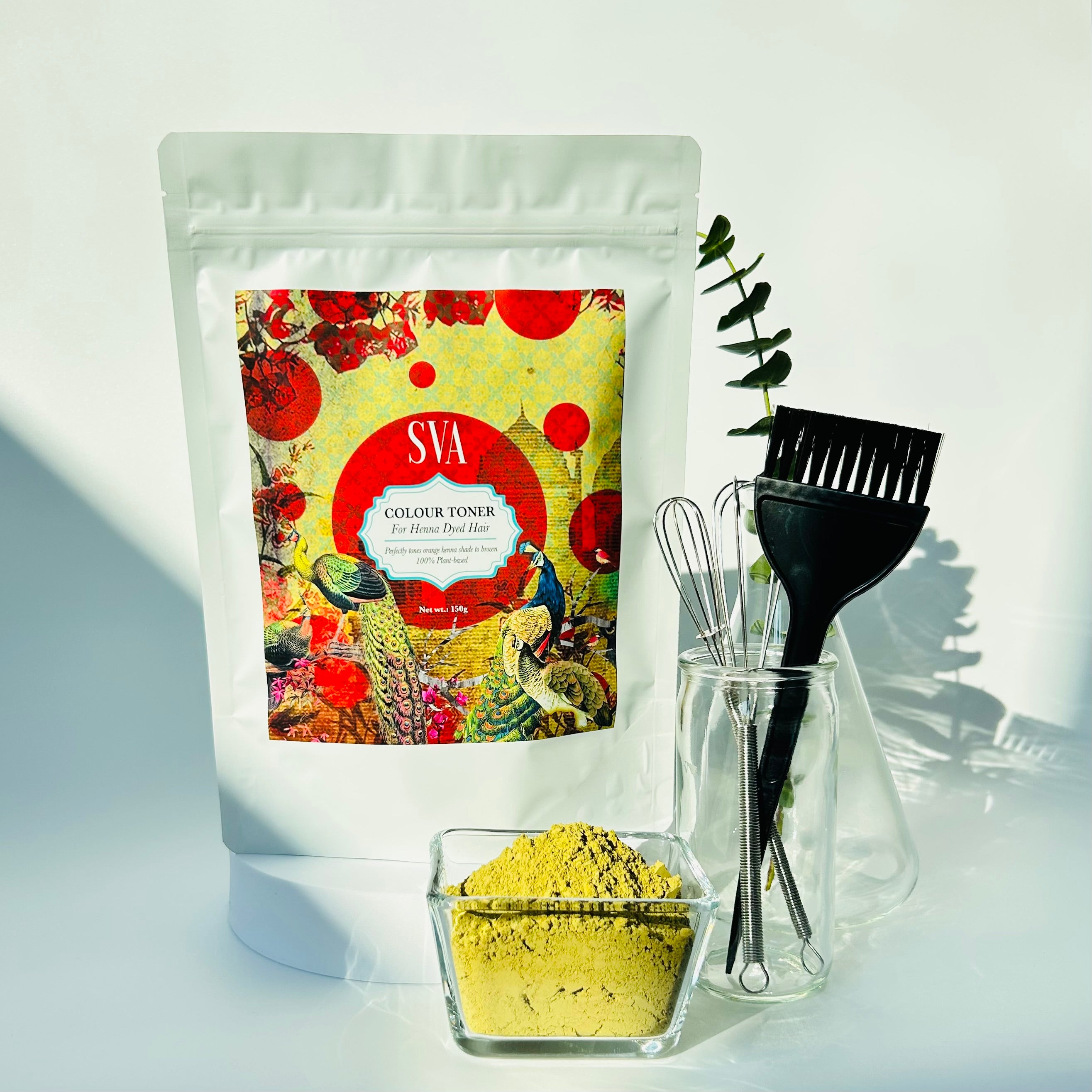
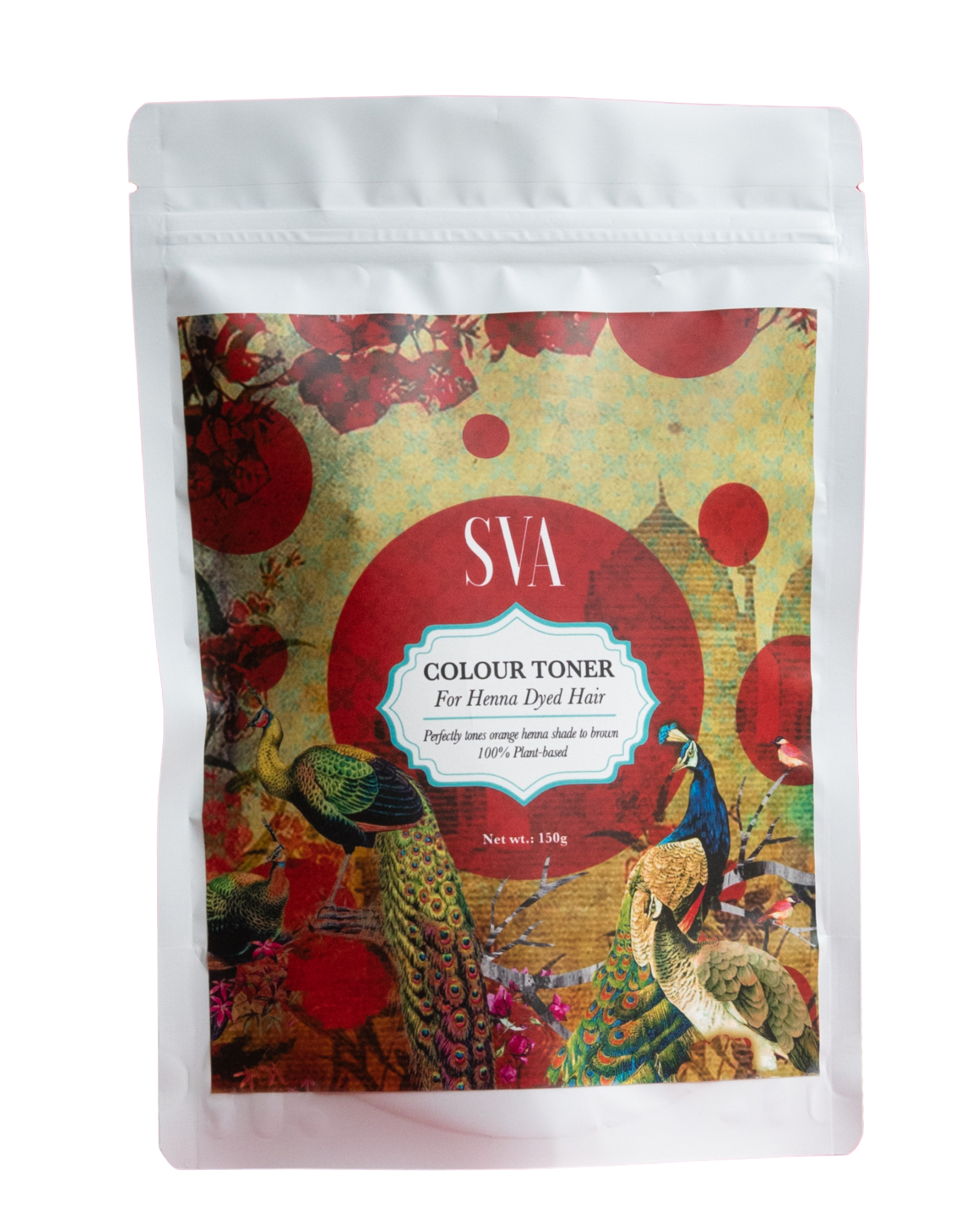
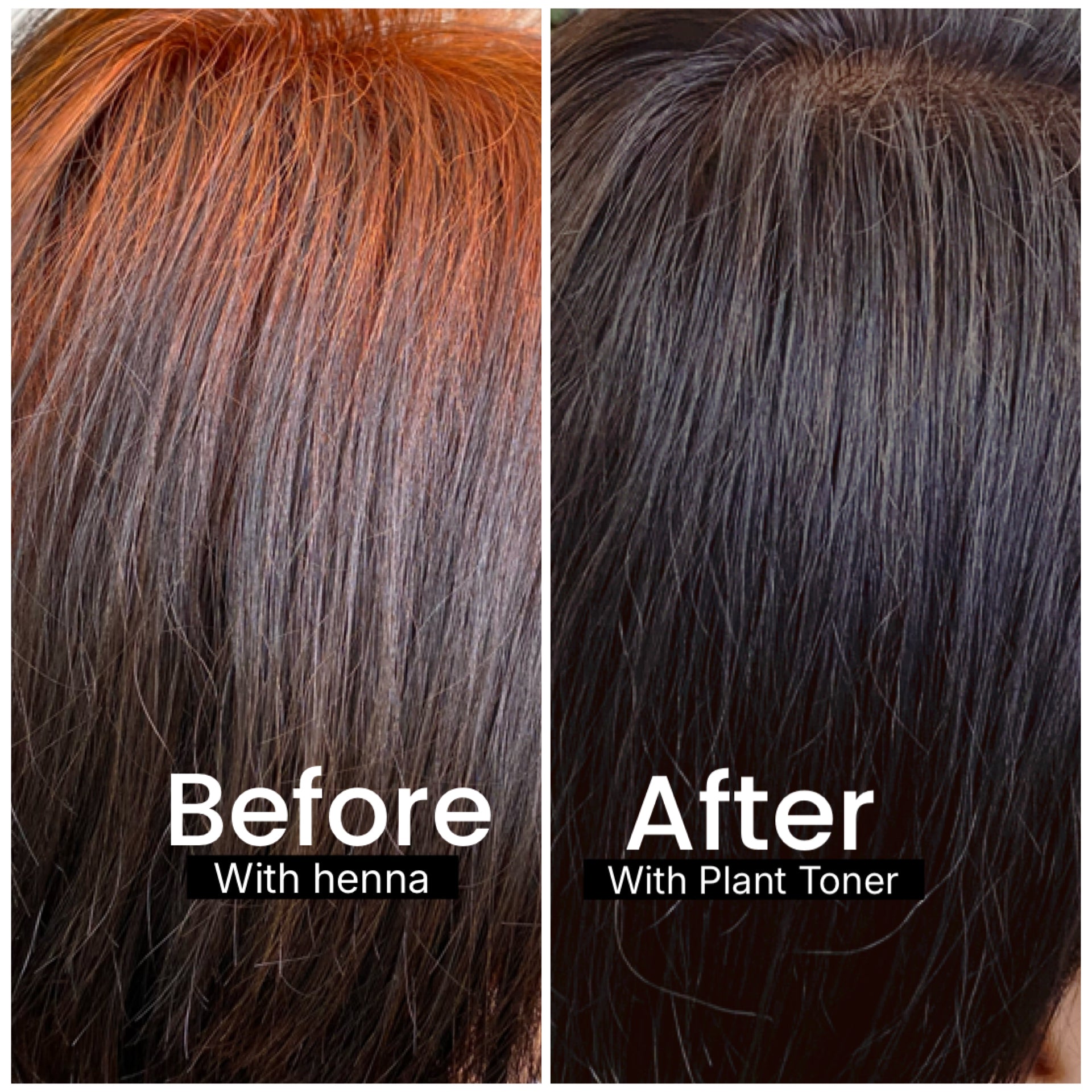
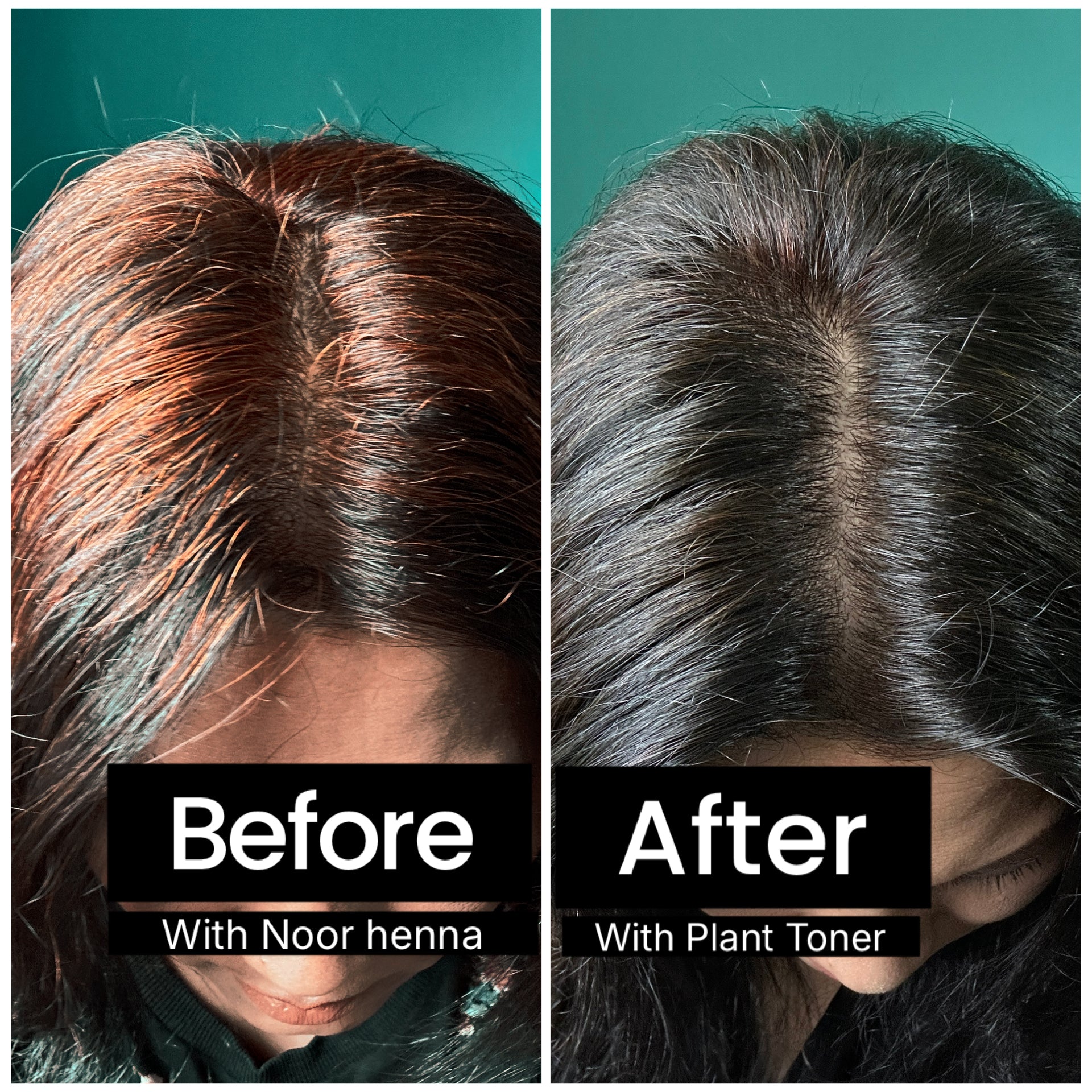
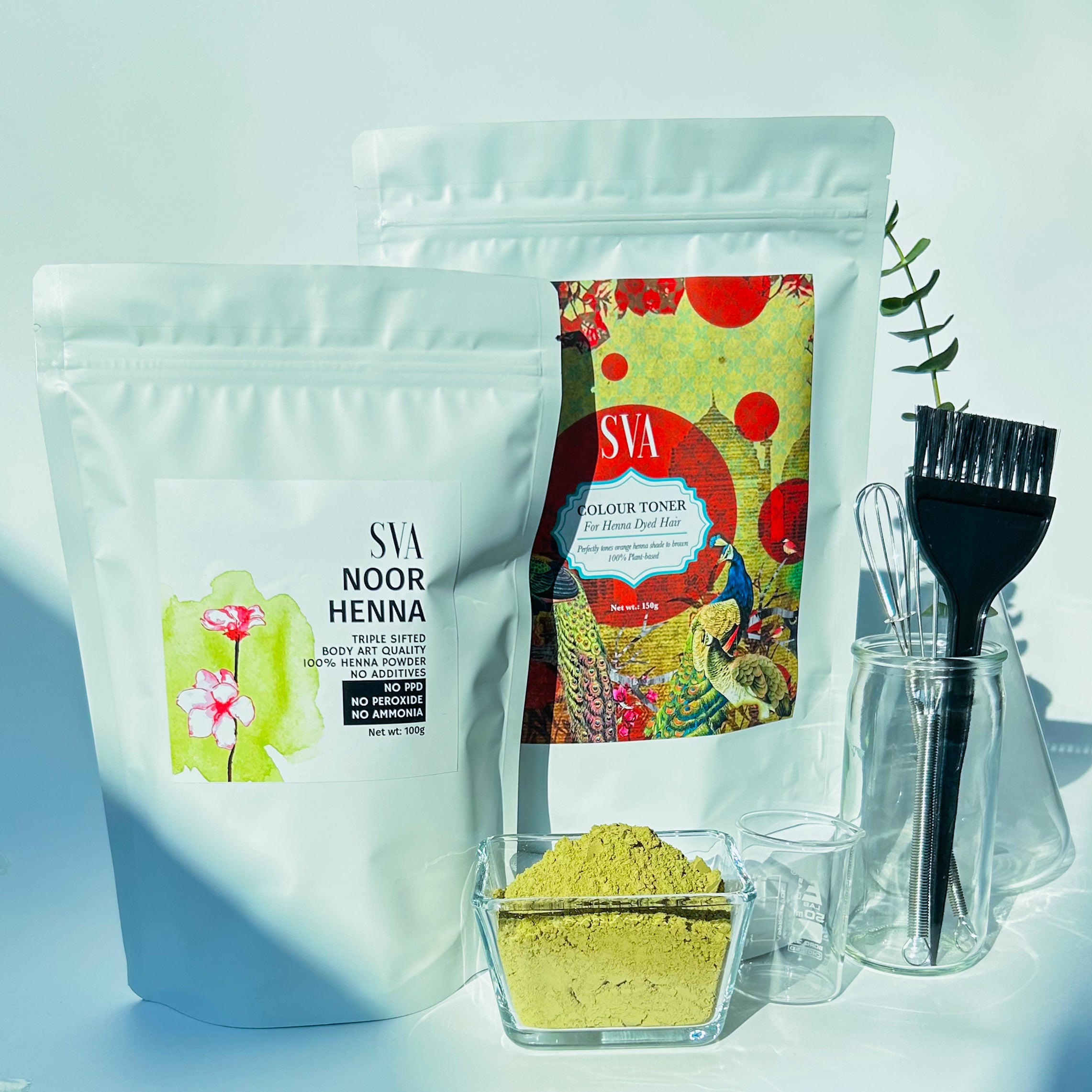
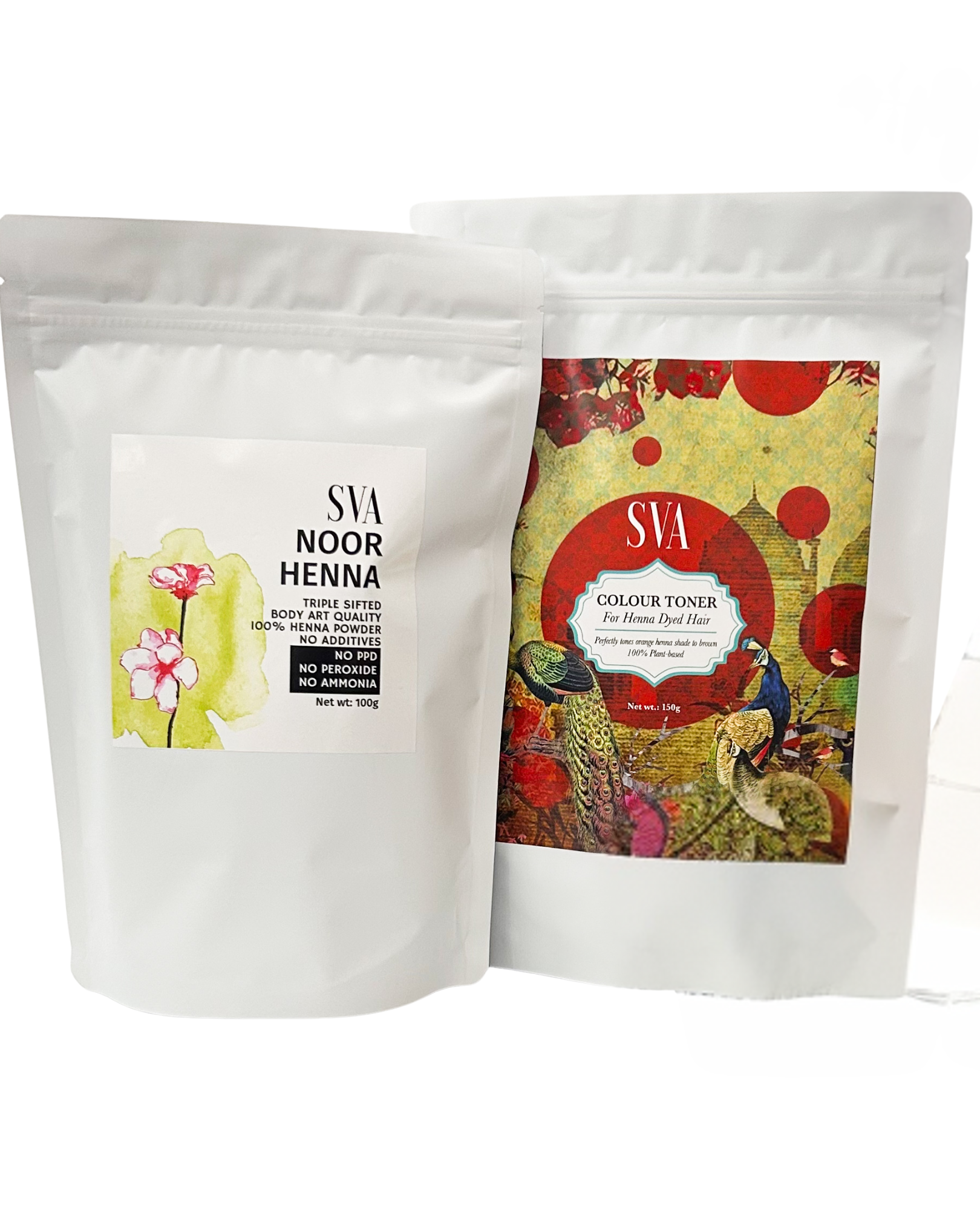
- Avoid hair conditioners. Skip the conditioner — it often does more harm than good, leaving behind build-up that dulls your hair over time. Even in Singapore’s heat and humidity, your hair can thrive without it. If you’re using SVA’s Noor Henna paired with the Plant Toner, you’re already giving your hair the best natural conditioning it needs. Check our instagram page for hair results.
- Avoid peroxide-based chemical hair dyes to cover greys. Hydrogen peroxide is responsible for breaking down natural pigment in your hair. If you are already greying prematurely due to internal factors, avoid adding fuel to the fire with chemical dyes that destroy your remaining natural pigment.
- Minimise heavy chemical styling products. Reduce frequent use of hair masks, serums, sprays and dry shampoos if they leave buildup or irritation on your scalp.
- Reduce frequent heat styling. Occasional is best.
- Avoid salon treatments like keratin, straightening, perming, hair botox, nanoplasty etc.
- Address nutritional deficiencies that are scientifically linked to premature greying. Research consistently identifies low levels of vitamin B12, iron, vitamin D, zinc and copper as contributing factors. A simple blood panel can reveal gaps. Working with your doctor/ nutritionist/ medical expert to correct deficiencies through diet or supplementation is one of the most evidence-backed, root-cause approaches to supporting your hair’s long-term health.
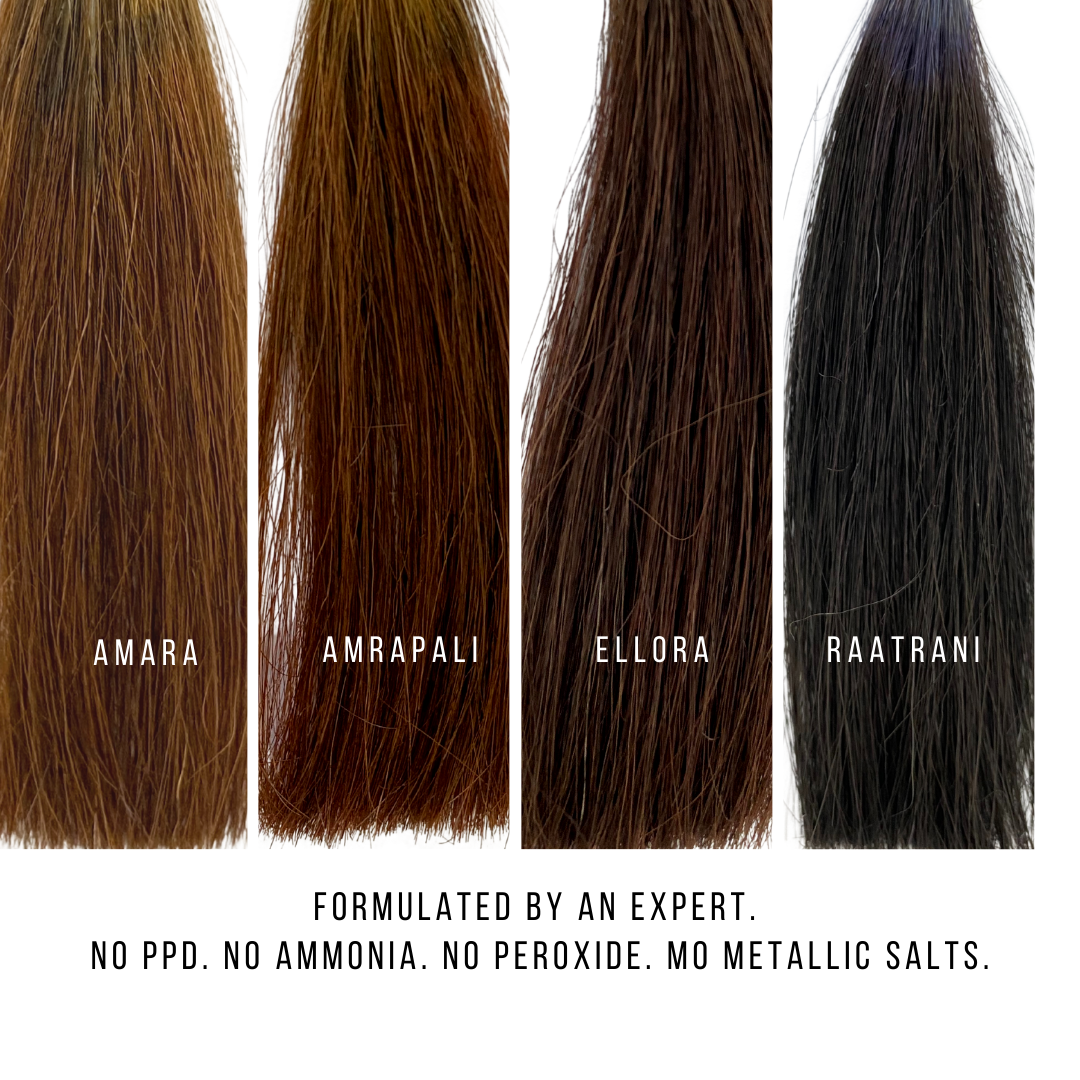
- Choose plant-based hair dyes as your long-term colouring alternative. Botanical dyes formulated with pure plant leaf powders of henna, indigo cover greys without PPD, ammonia or peroxide. They deposit colour on the hair shaft’s surface rather than chemically altering its internal structure — making them a gentler, sustainable choice for the decades of colouring ahead.
A 30-Year Commitment Deserves a 30-Year Solution
If premature greying has sent you into a cycle of frequent salon visits and chemical top-ups, know this: there is a way to cover your greys consistently, beautifully and without the long-term chemical burden.
We created SVA Plant Based Hair Dyes for exactly this reason — for women who colour often, care deeply about what goes on their scalp and want a routine that feels like self-care rather than damage control.
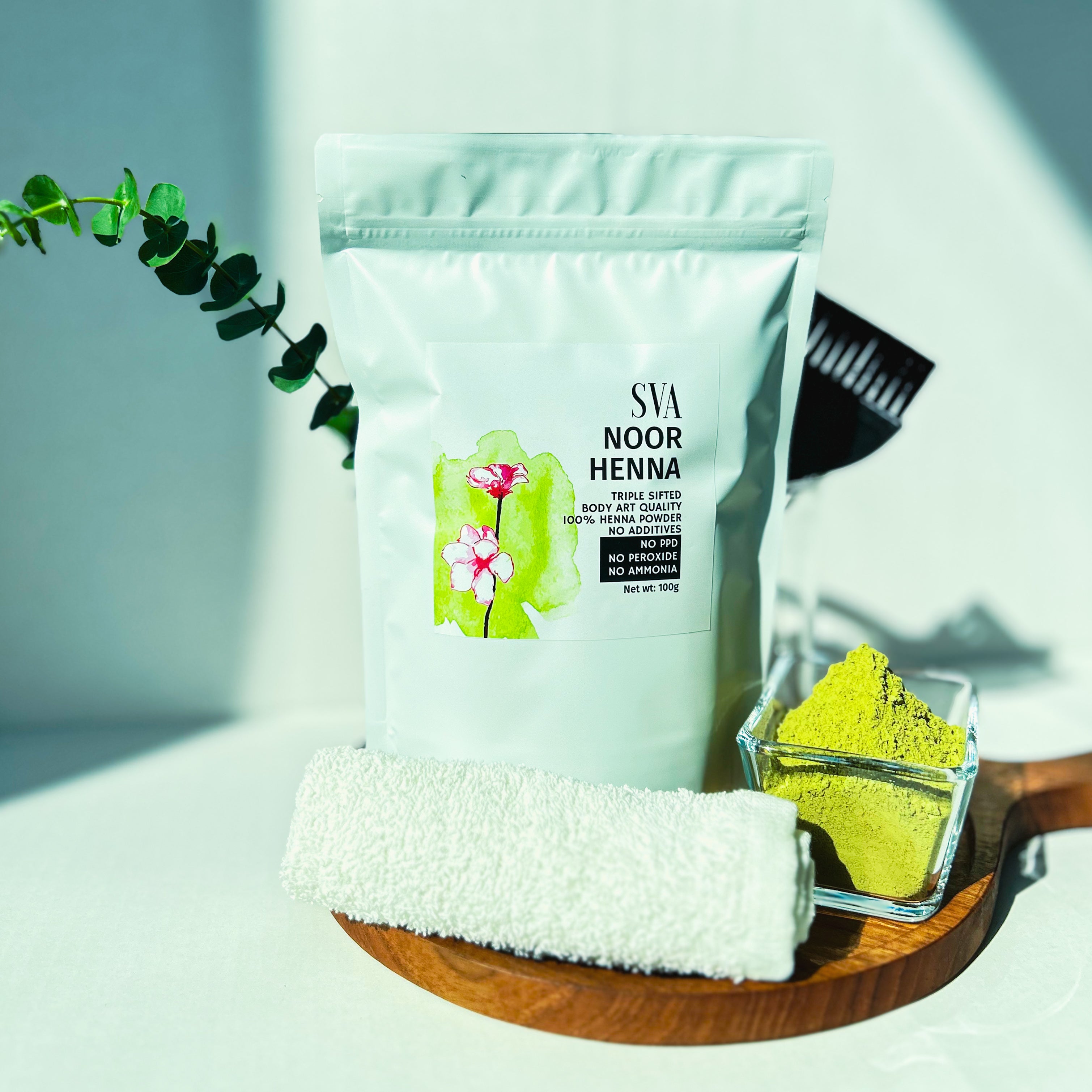
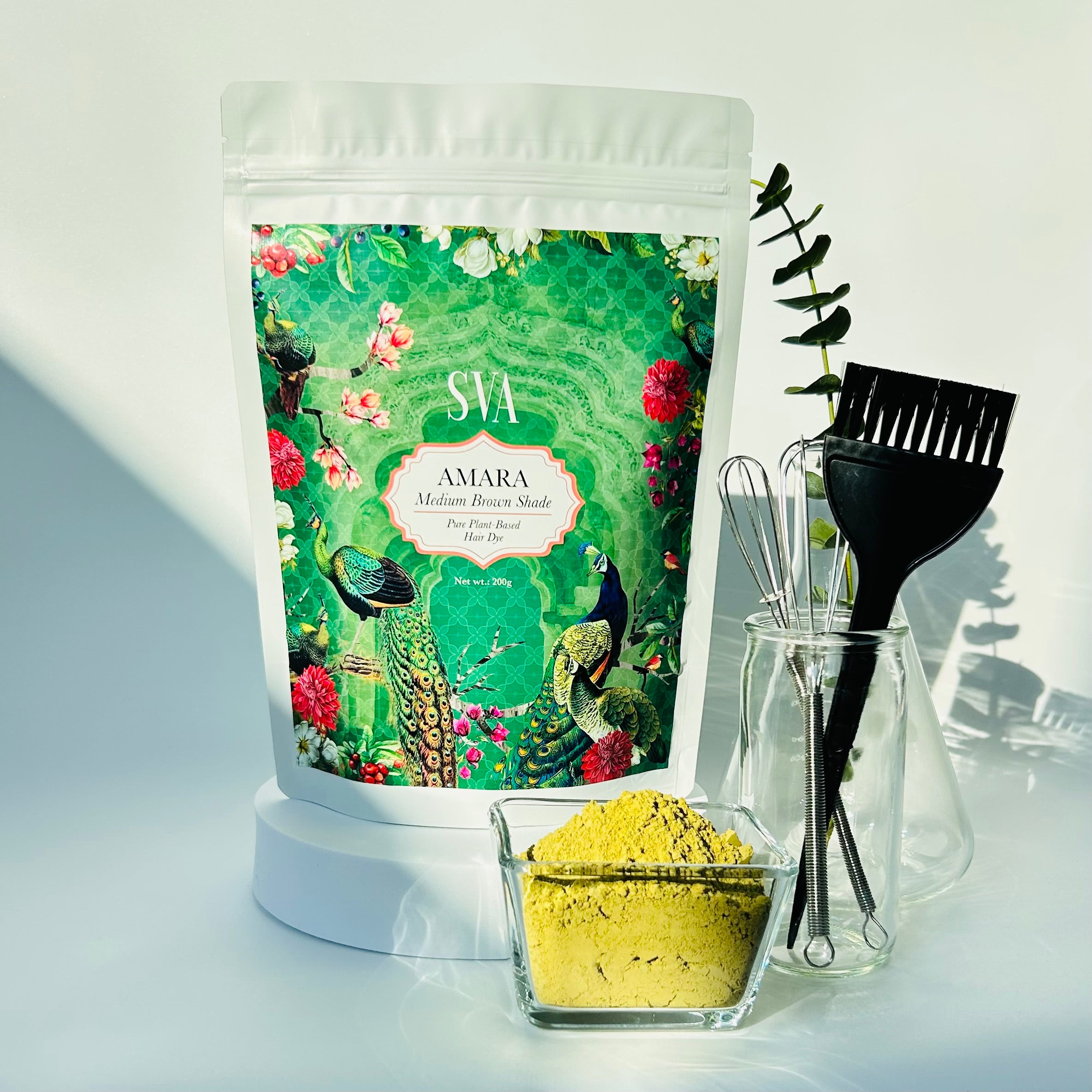
Explore SVA NOOR HENNA POWDER or our specialised kits like the AMRAPALI ROOT TOUCH-UP KIT to find your gentle, plant-powered match.
Your greys arrived early. Your solution can too.
— Deepali Razdan
Connect with me on Email: deepali@svaback2nature.com






0 comments