

— Deepali Razdan, Certified Organic Cosmetic Formulator (Formula Botanica)
Before you colour your hair again, read this...
Most of us choose hair dye by shade: dark brown, black, burgundy, "natural-looking." But the real story is not on the front of the box — it is hiding in the tiny ingredient list at the back. And if you colour your hair every few weeks, that list matters for your scalp, your hair fibre and your wellbeing. Here is the short, no-panic guide to decoding what is really inside your hair colour — and what to choose instead.

The Top 3 Ingredients to Think Thrice About before using👀
1. PPD, or p-Phenylenediamine, is a known carcinogen that is restricted to 2% usage in hair dyes in the EU, UK, and Singapore, and 6% in the US. PPD is widely used in permanent hair dyes as it helps create long-lasting dark colour specially black. It is also a well-known hair dye allergen and the reason many box-dye brands warn you to do a patch test. If colouring has ever left your scalp itchy, hot, or your eyes and face swollen or red, this is one ingredient worth checking for carefully.
2. Hydrogen Peroxide, or Developer- lifts cuticles, activates chemical dyes and lightens your natural pigment so synthetic colour can take over. They come in different strengths like 10,20,30,40 Vol and used depending on the hair, colour or lifting required. Repeated exposure or over processing hair with Hydrogen peroxide can leave them feeling drier, coarser and more fragile over time — especially if you cover greys often. I work with clients who use peroxide based chemical dyes every 3 weeks to cover their greys. Thats a lot of exposure.
3. Ammonia (Ammonium Hydroxide) is a alkalizing agent that forces open the hair cuticles, so the colour molecules can penetrate the hair shaft. The problem? Repeated cuticle-lifting can leave hair feeling porous, rough, dry and more prone to breakage over time. That brittle, over-coloured feeling is often not your imagination — it is your hair asking for a gentler routine.
Ingredient Decoder: Red Flags to Spot on the Label
| Chemical ingredient | Also appears on labels as | What it does | Why you may want to avoid it |
|---|---|---|---|
| PPD ⚠️ | p-Phenylenediamine, Para-phenylenediamine, oxidation dye, black henna dye | Creates long-lasting dark brown and black colour in permanent dyes. | One of the most common hair-dye allergens; repeated exposure can increase sensitivity and may trigger itching, burning, swelling or dermatitis. |
| PTD / Toluene Diamine ⚠️ | p-Toluenediamine, Toluene-2,5-diamine, PTD, TDS | Acts as a colour precursor, often used as an replacement in "PPD-Free" hair dyes. | "PPD-free" does not always mean low-risk; related dye molecules may still irritate or sensitise some scalps. |
| Ammonia ⚠️ | Ammonium hydroxide, ammonia solution | Raises pH and opens the hair cuticle so colour can enter. | Can feel harsh on the scalp and may leave hair rough, porous, dry or more breakage-prone with repeated use. |
|
Hydrogen Peroxide ⚠️ |
Developer, oxidant, peroxide, H2O2, 10/20/30/40 volume developer | Lightens natural melanin and activates oxidative dye molecules. | Repeated oxidative processing can weaken the hair fibre, increase dryness and make hair feel brittle over time. |
| Resorcinol | 1,3-Benzenediol, m-Dihydroxybenzene, resorcin | Works as a colour coupler to help build the final shade. | Common in permanent dyes and often avoided by conscious consumers because it can irritate skin. There are some endocrine-disruption concerns that are not verified. |
| MEA ⚠️ | Monoethanolamine, ethanolamine, 2-aminoethanol | Used as an ammonia substitute in many "Ammonia-free" dyes. | Can raise pH, disturb the cuticle and leave residue that stays reactive even after the colour treatment; ammonia-free is not always irritation-free. |
| Persulfates | Ammonium persulfate, potassium persulfate, sodium persulfate | Boosts lifting and bleaching, especially in lightening powders. | Can be irritating to the scalp and respiratory system, especially in repeated salon or home bleaching exposure. |
| Metallic Salts ⚠️ | Lead acetate, silver nitrate, copper salts, bismuth citrate, iron salts, nickel salts | Used in some progressive dyes and adulterated black or "herbal" colour products. | May build up on hair, react unpredictably with salon chemicals and contribute to brittleness, discolouration or irritation. |
| Barium Peroxide ⚠️ | Barium dioxide, barium peroxide powder | Sometimes found in older or adulterated dye powders to intensify colour development. | A harsh oxidising compound that does not belong in gentle botanical hair colour routines. |
| PEG Derivatives | PEG-40, PEG-7 glyceryl cocoate, PEG stearate, polyethylene glycol derivatives | Used as solvents, emulsifiers or texture-improvers in cream dyes. | They are synthetic processing aids and may not suit consumers seeking minimal, clean, plant-only formulations. |
| Sulphates | Sodium lauryl sulphate, sodium laureth sulphate, ammonium lauryl sulphate, SLS, SLES | Used for foaming, cleansing or helping formulas spread. | Can strip natural oils and leave sensitive scalps or already dry hair feeling more irritated or dehydrated. |
| Nitrates / Nitro Dyes ⚠️ | Silver nitrate, nitro-p-phenylenediamine, nitro dyes, HC dyes | Used in some colourants to create or modify shade. | Often signals a more complex synthetic colour system rather than a simple plant-based dye. |
| Synthetic Fragrance | Fragrance, parfum, perfume, aroma, benzyl alcohol, limonene, linalool | Masks chemical odour and makes the product smell more pleasant. | Can hide a harsh formula and may trigger sensitivity in fragrance-reactive users. |
What "Herbal" on a Hair Dye Box Really Means? ⚠️
Here is the uncomfortable truth: 'Herbal" can be more marketing than meaning. A dye can carry botanical imagery, mention plant extracts and still rely on synthetic colour chemistry. So instead of trusting the front label, flip the box over and then read the ingredient list to make sure the formula matches the promise!

What Pure Plant-Based Colour Looks Like?🌿
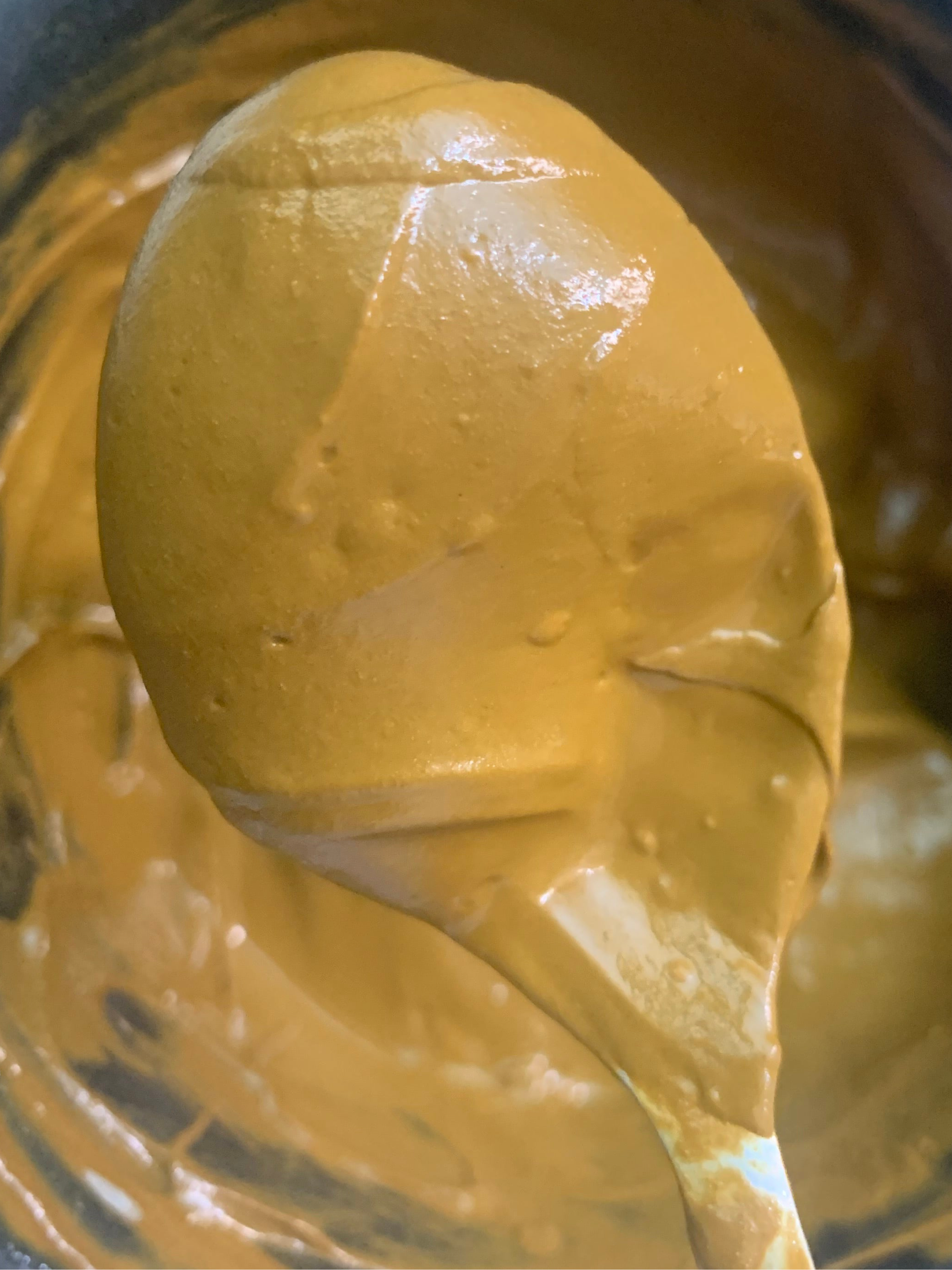
True plant-based hair colour is refreshingly simple. There should not be more than 2-3 ingredients that read Henna, indigo, cassia and or amla. They do not need a developer. They do not need ammonia. They do not need a long list of unpronounceable support chemicals to work.
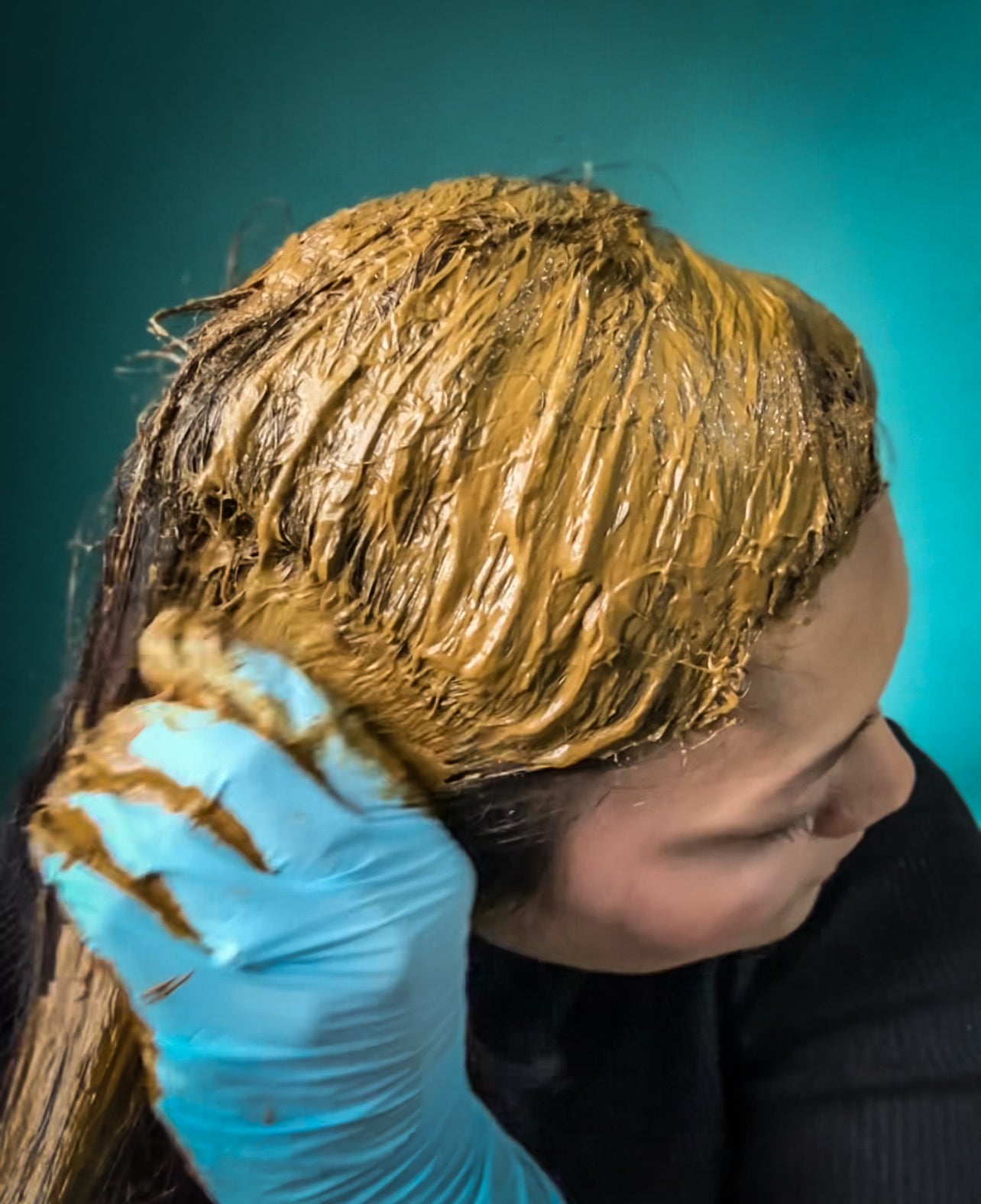
That is the beauty of pure botanical dye: it asks you to slow down, mix with water, apply with intention and let plants do what they have done for centuries — colour, cover and condition the hair fibre.
The 10-Second Box Check ✔️
- Does it contain PPD/ p-Phenylenediamine or its replacement PTD or Toluene Diamine?
- Does it contain ammonia/ ammonium hydroxide or its replacement Ethanol Amine?
- Does it require hydrogen peroxide, developer or Vol 10, 20, 30,40?
- Does the ingredient list feel longer than your skincare routine?
If the answer is yes, it may not be as gentle or "natural" as the front of the box wants you to believe.
The Bottom Line 🕵️
You do not have to become a cosmetic chemist to make a better choice. You just need to know what to look for — and what to walk away from.
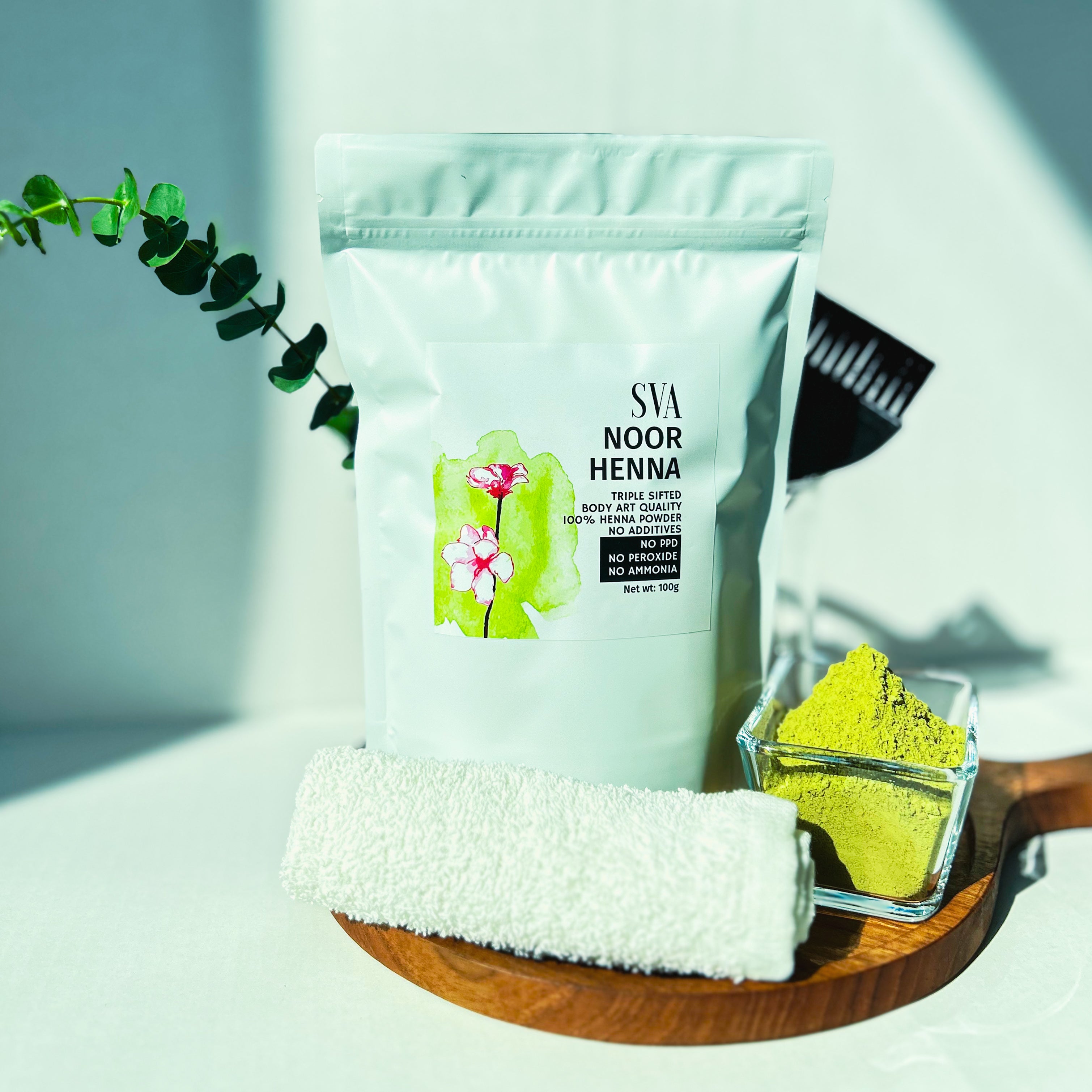
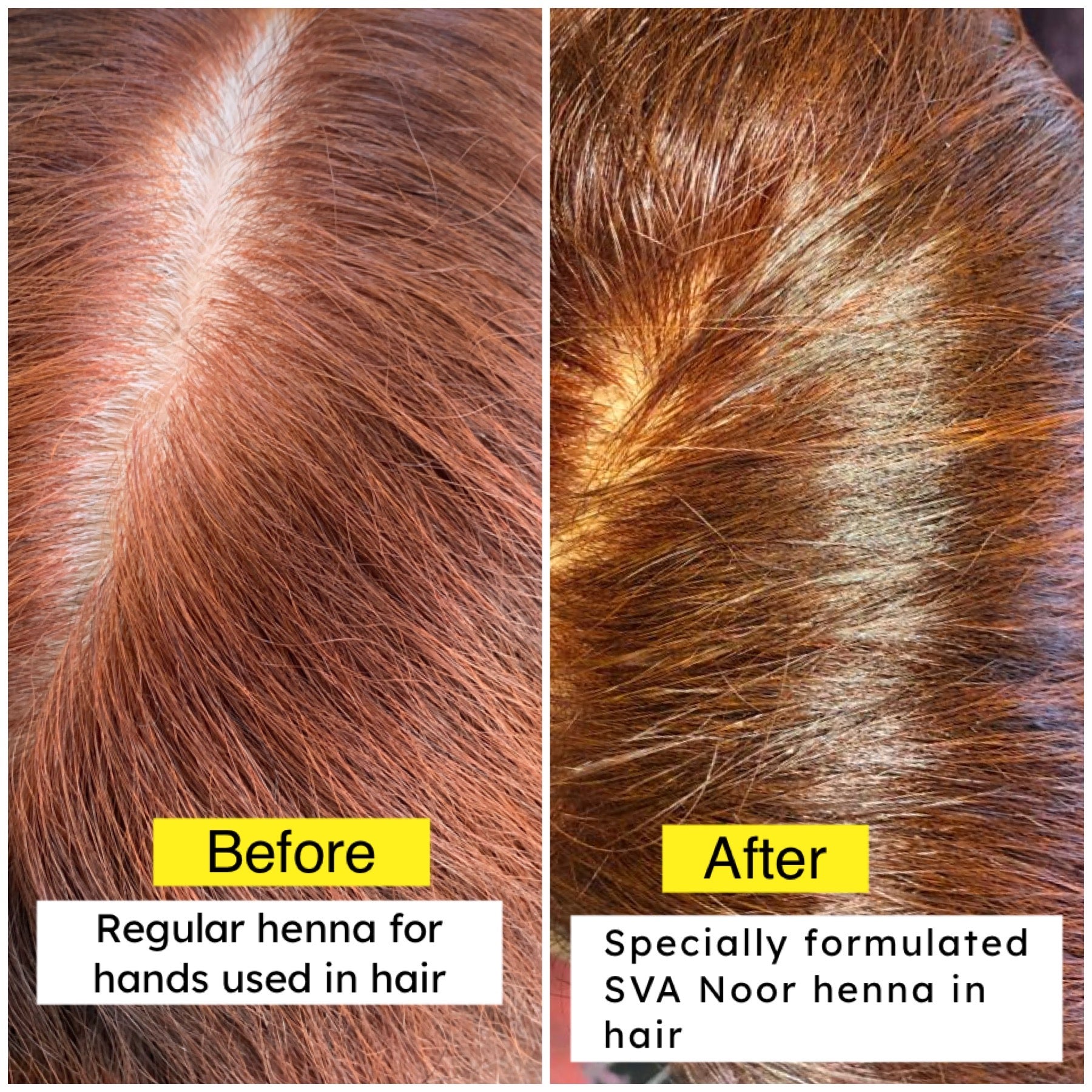
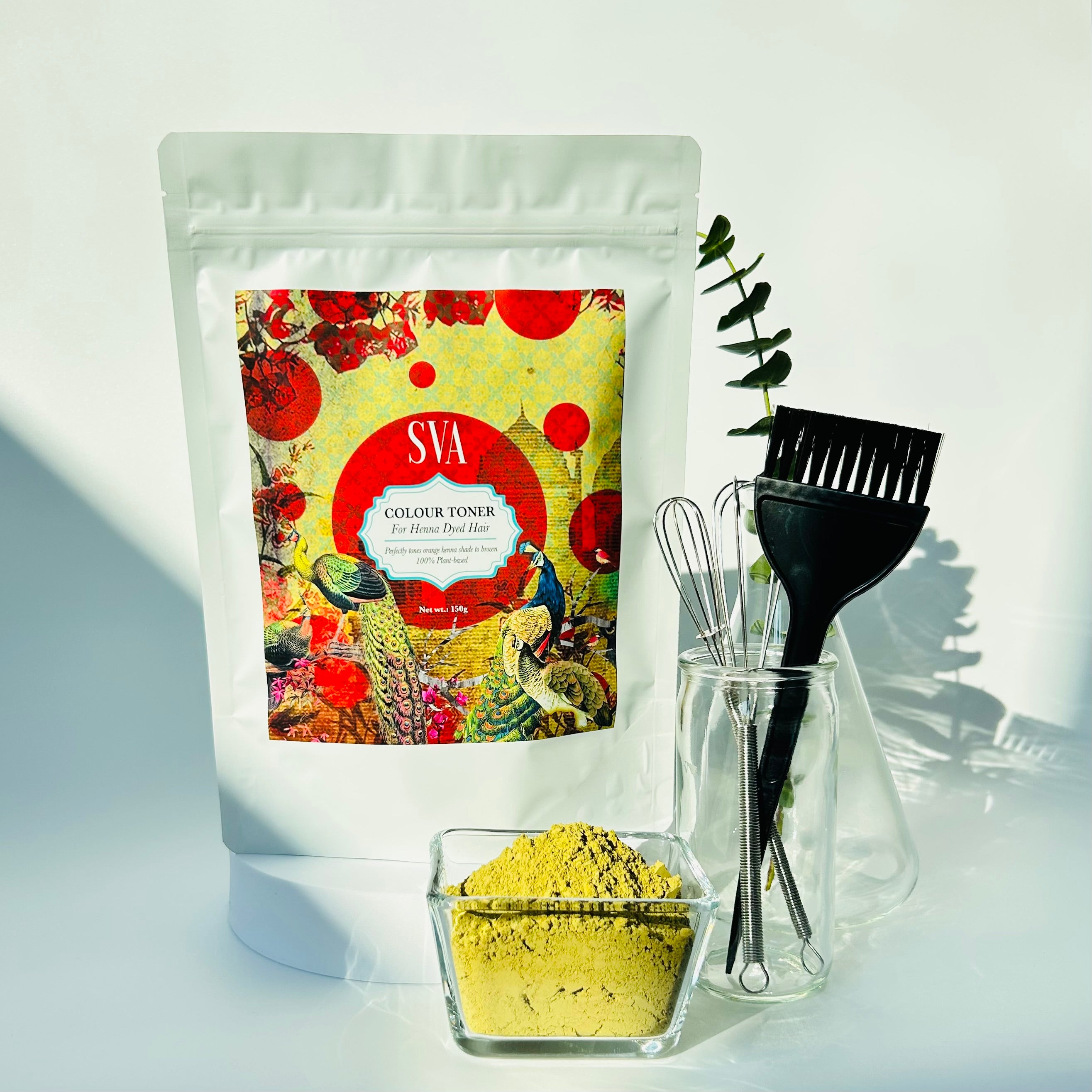
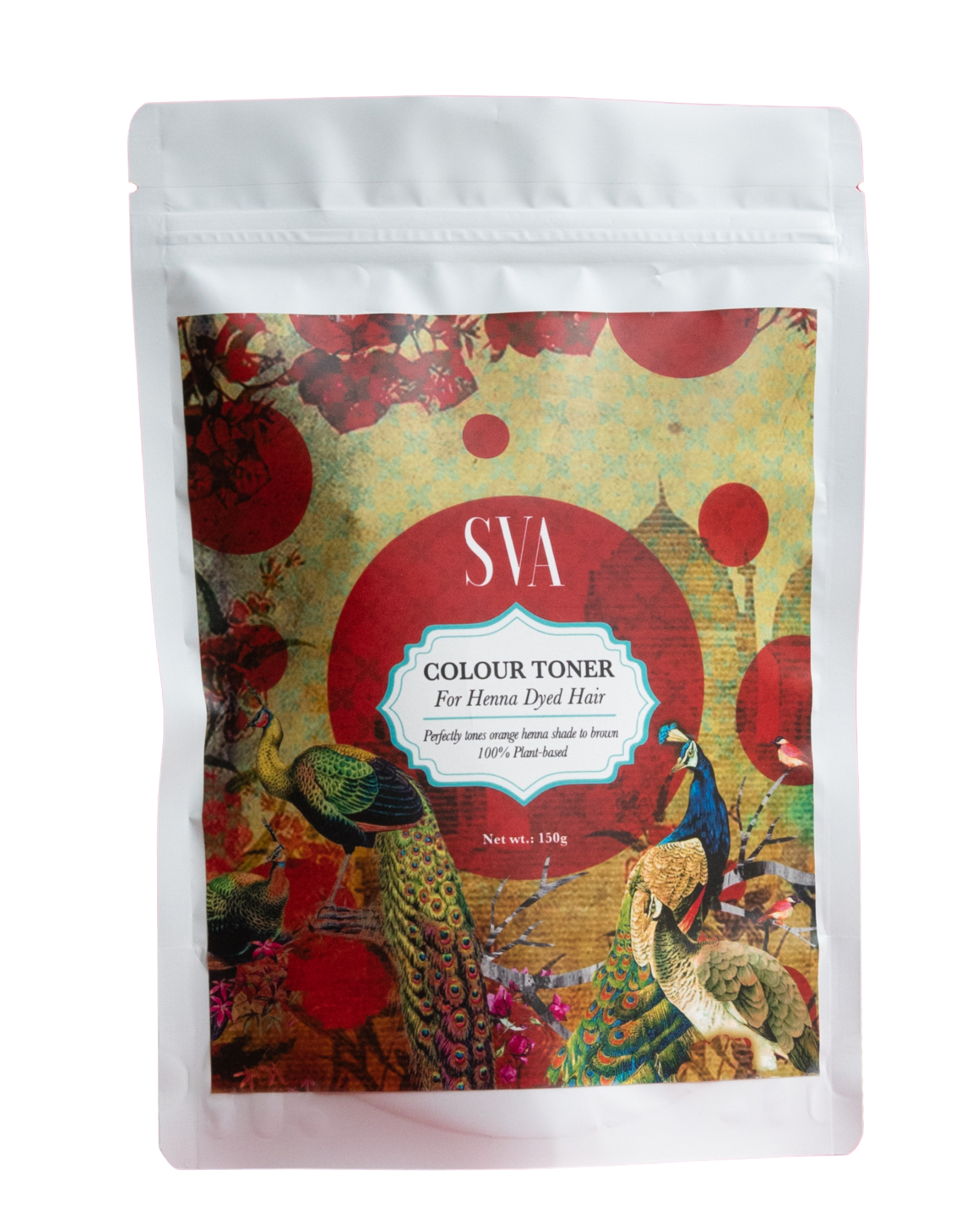
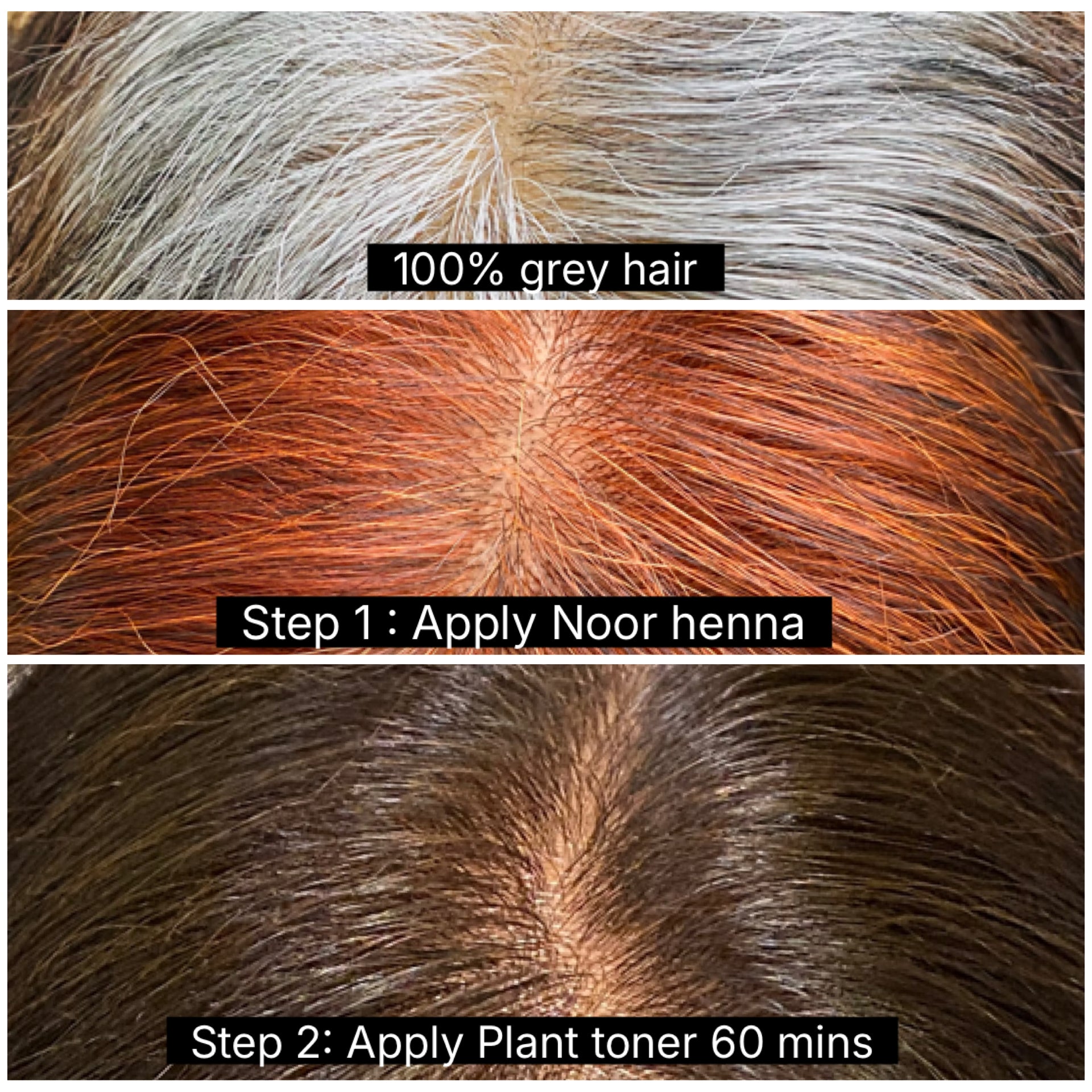
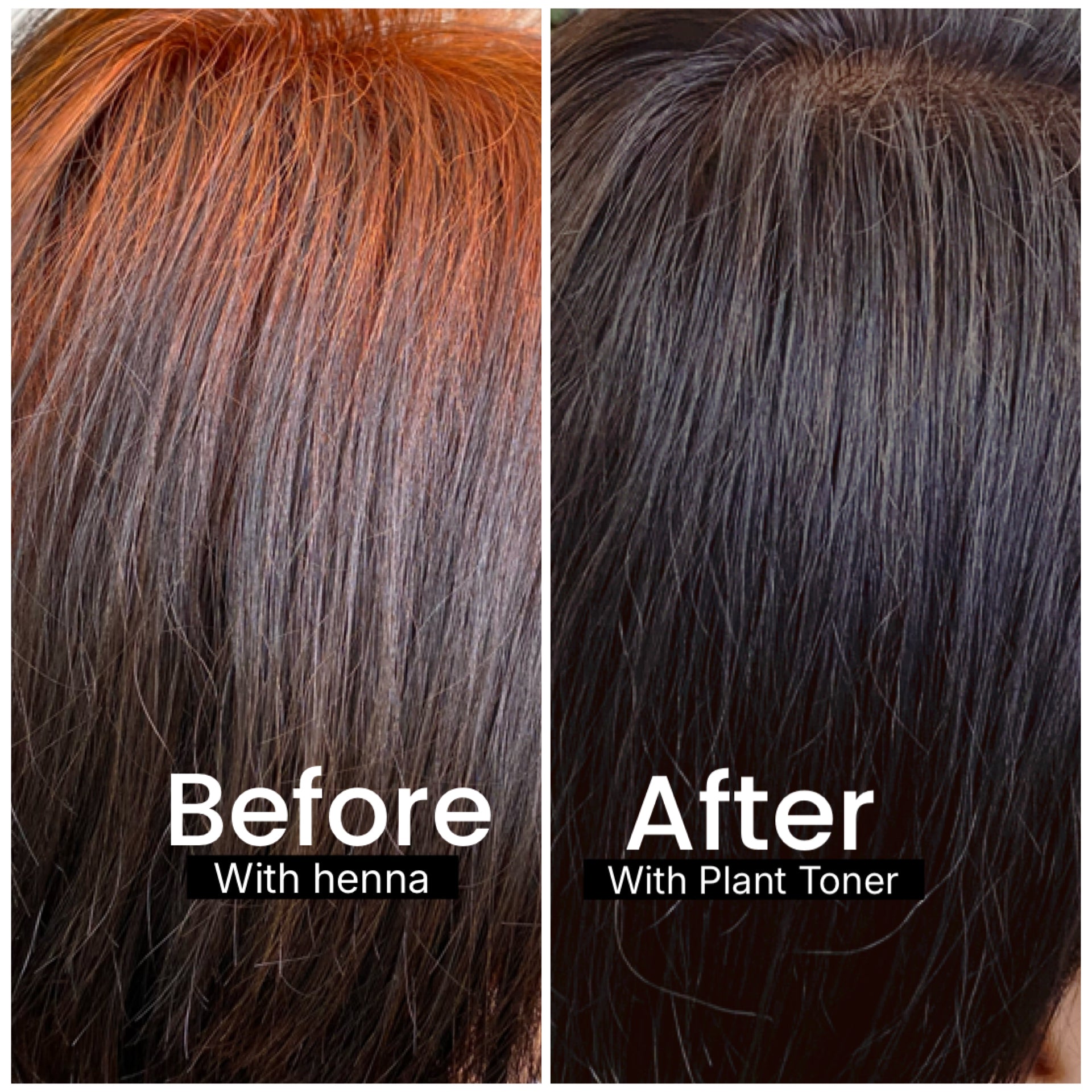
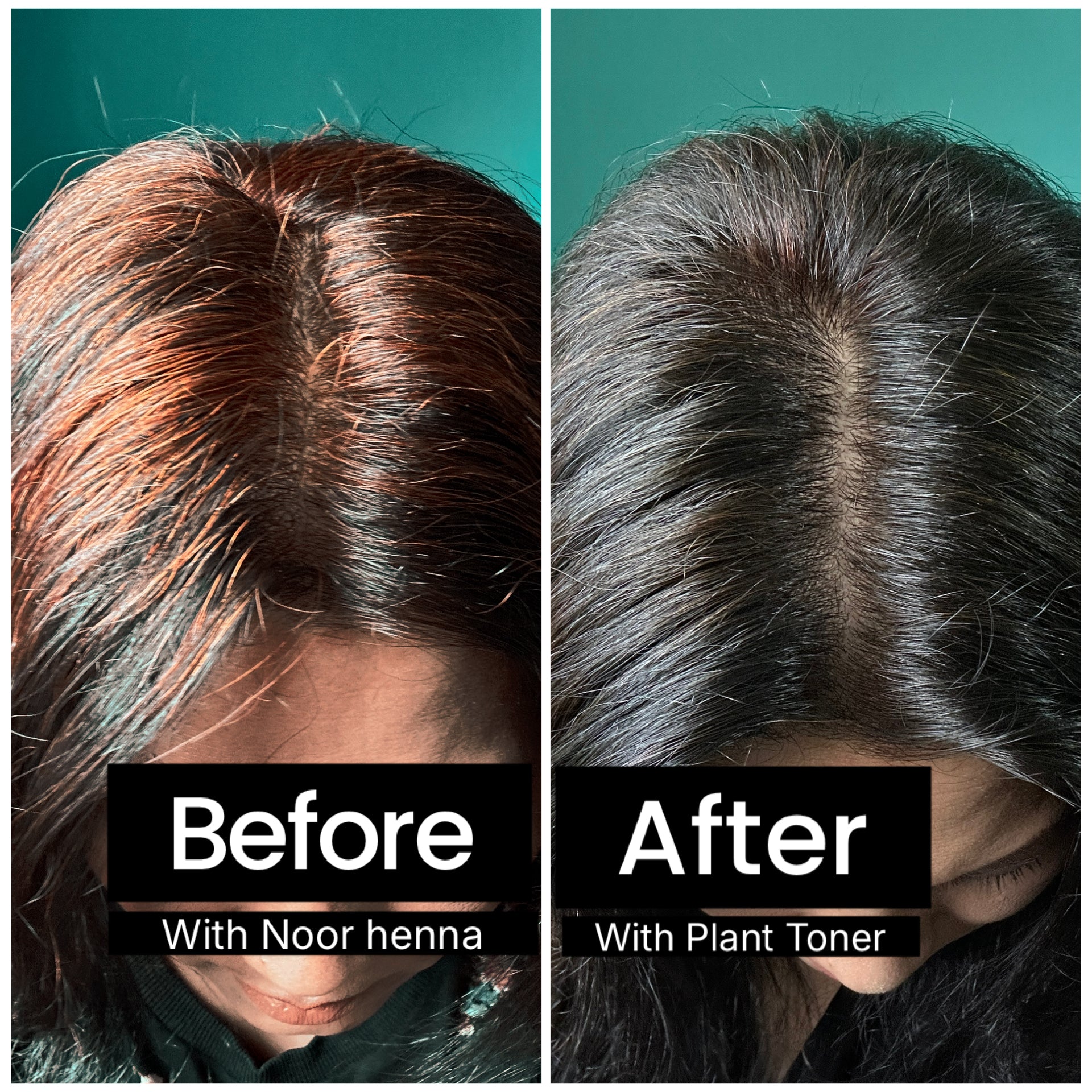
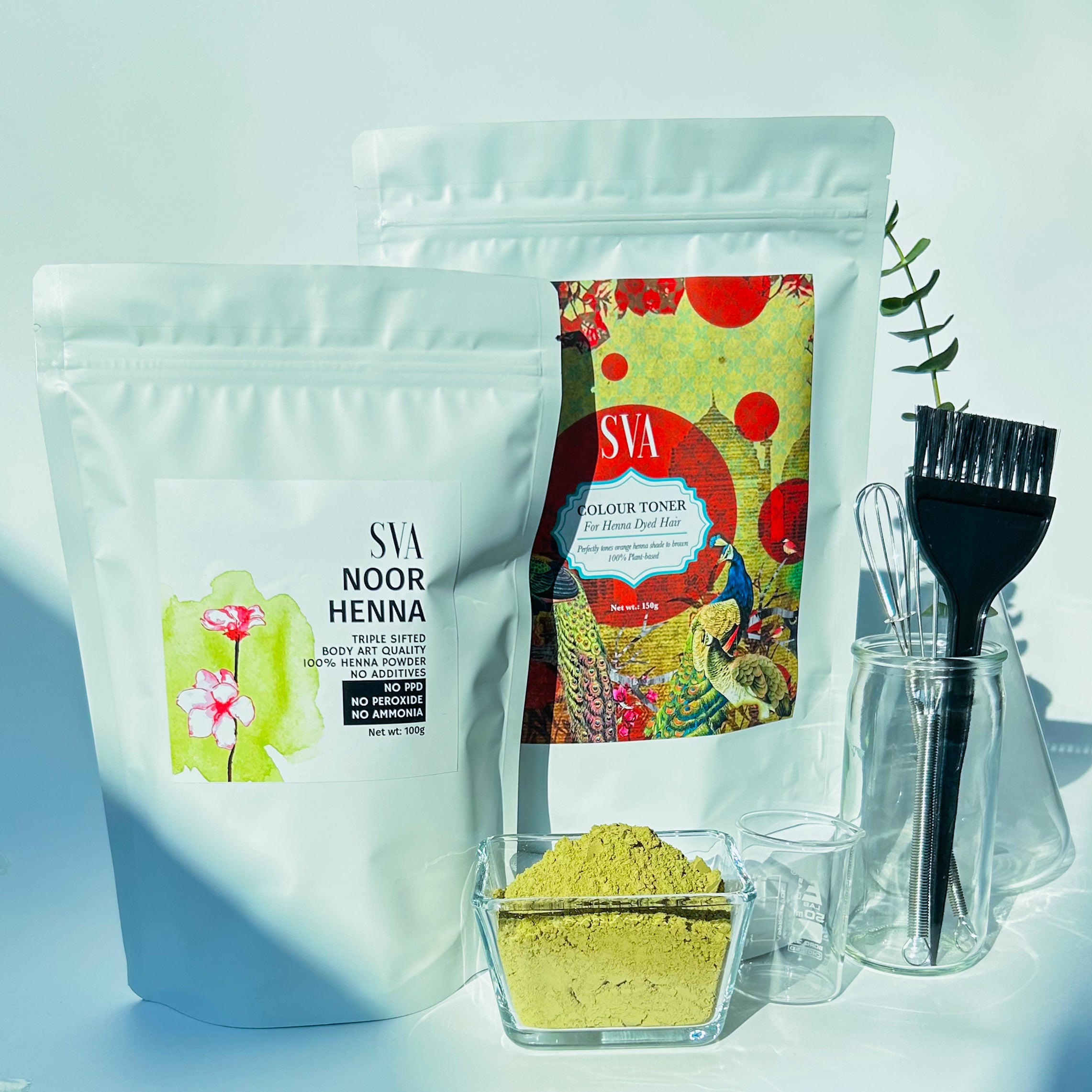
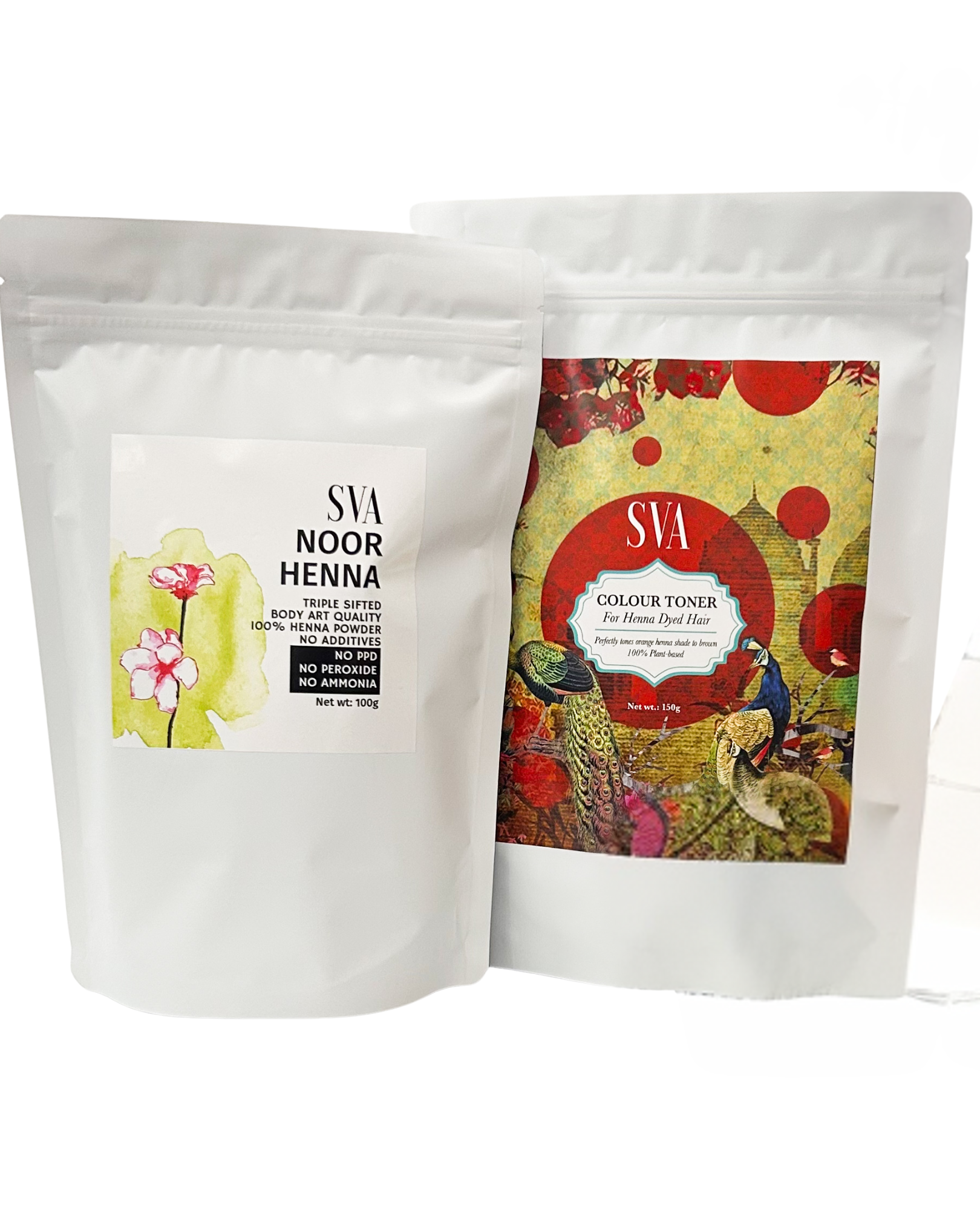
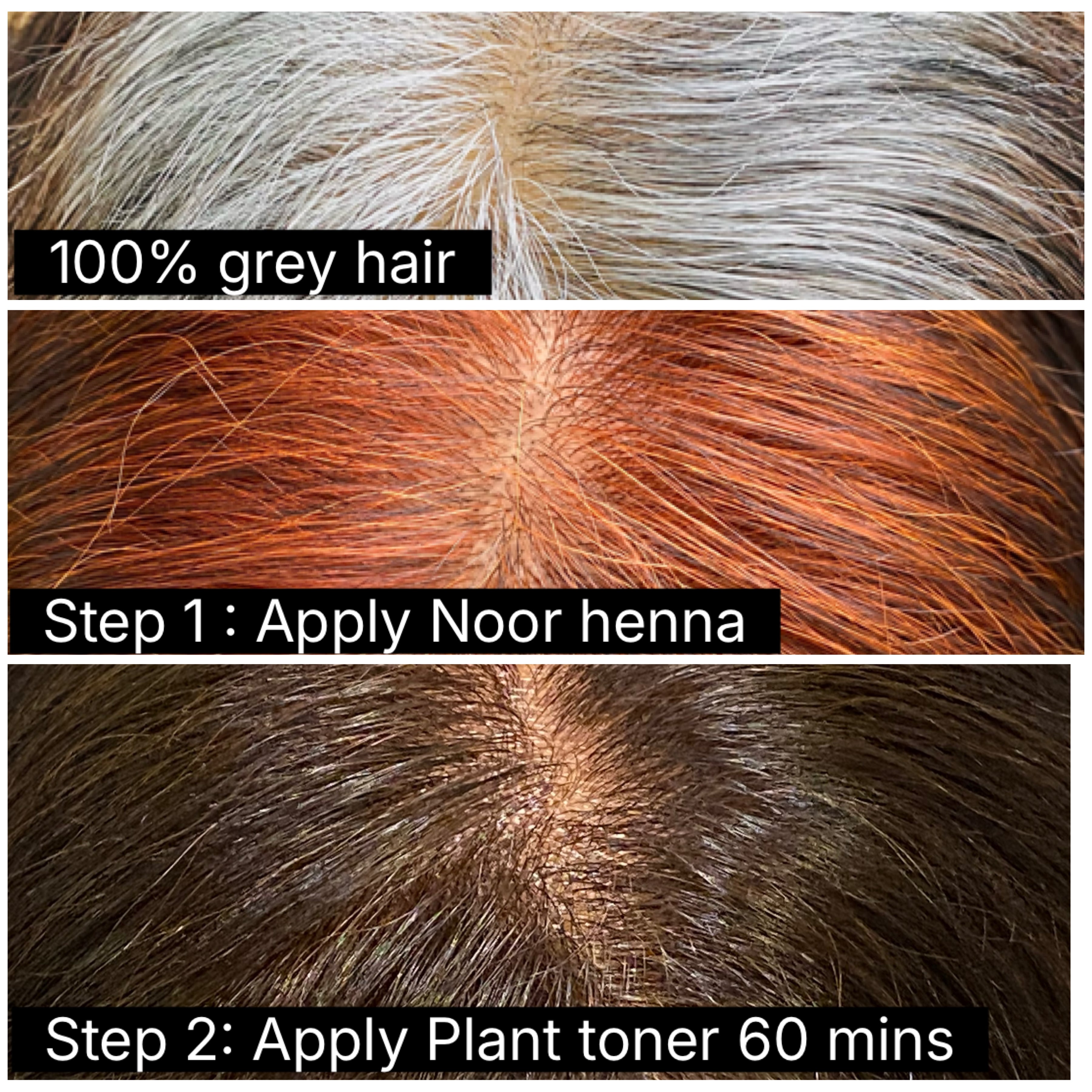
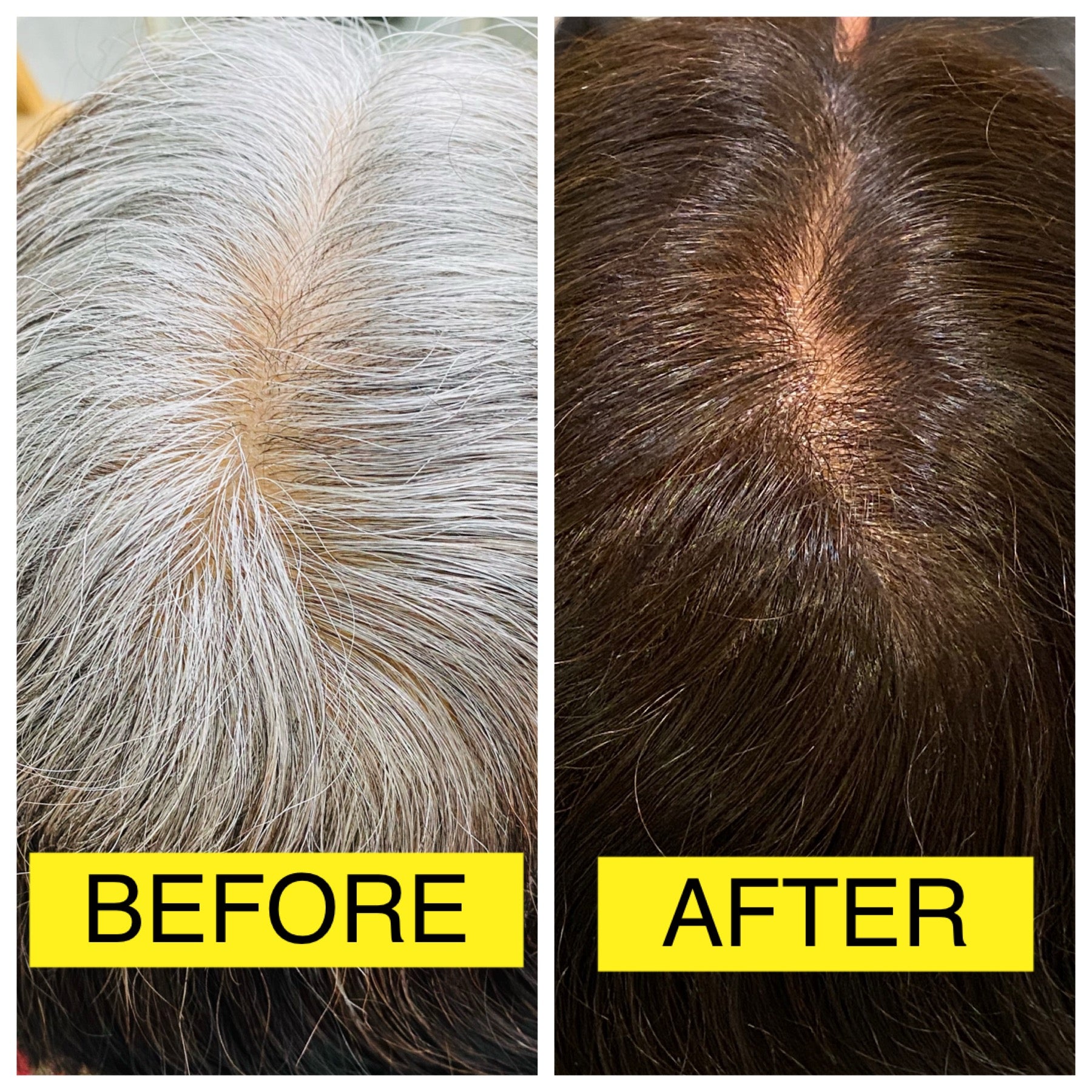
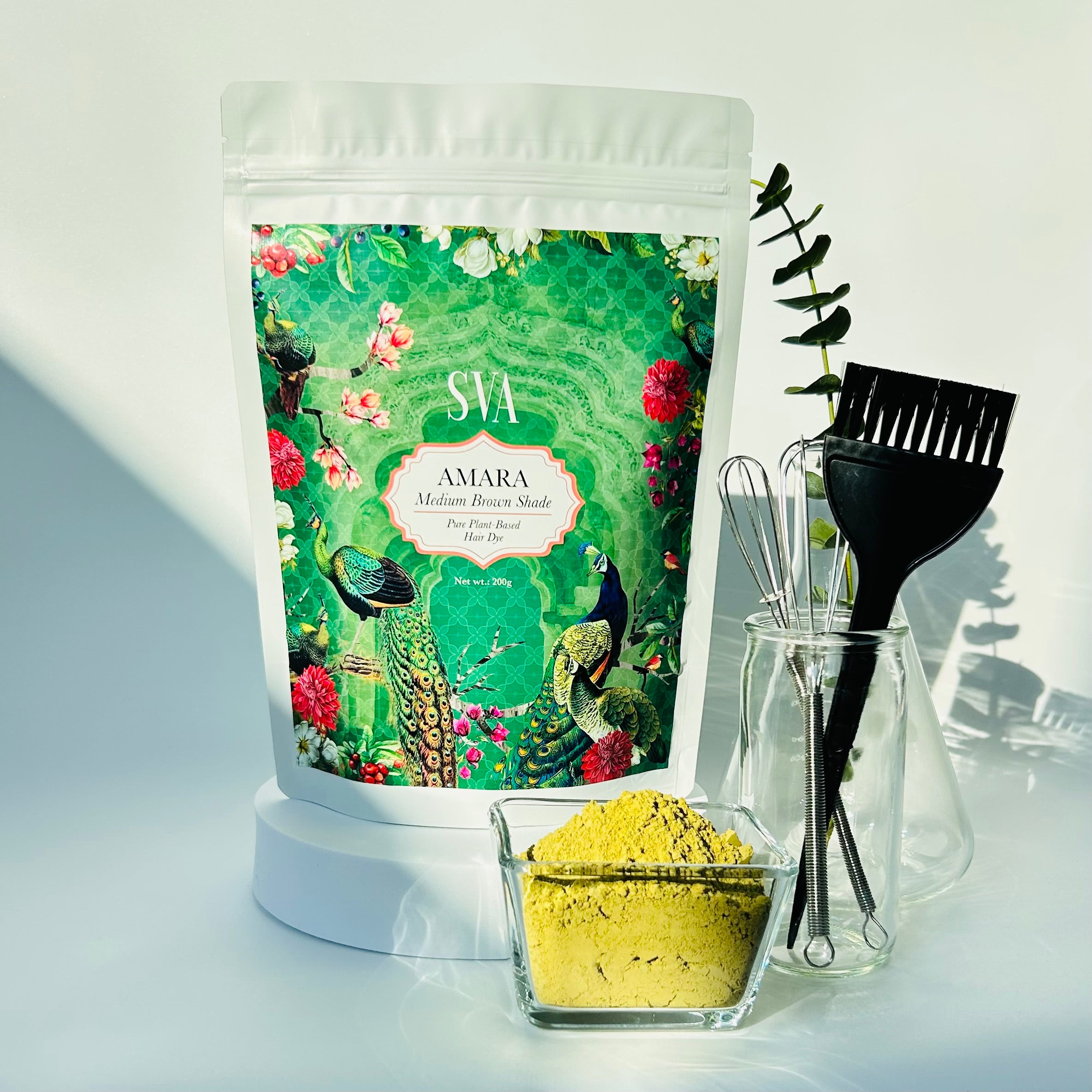
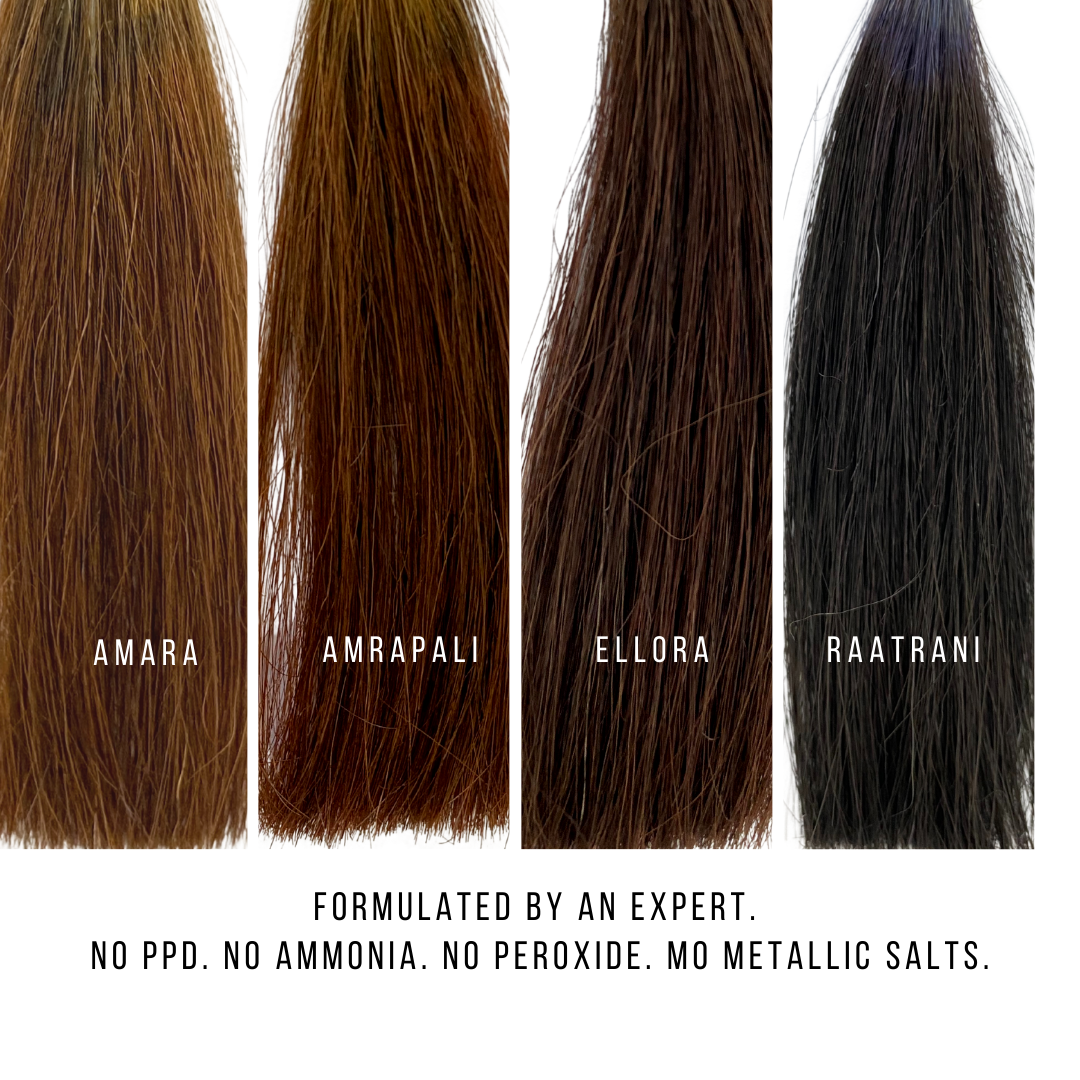
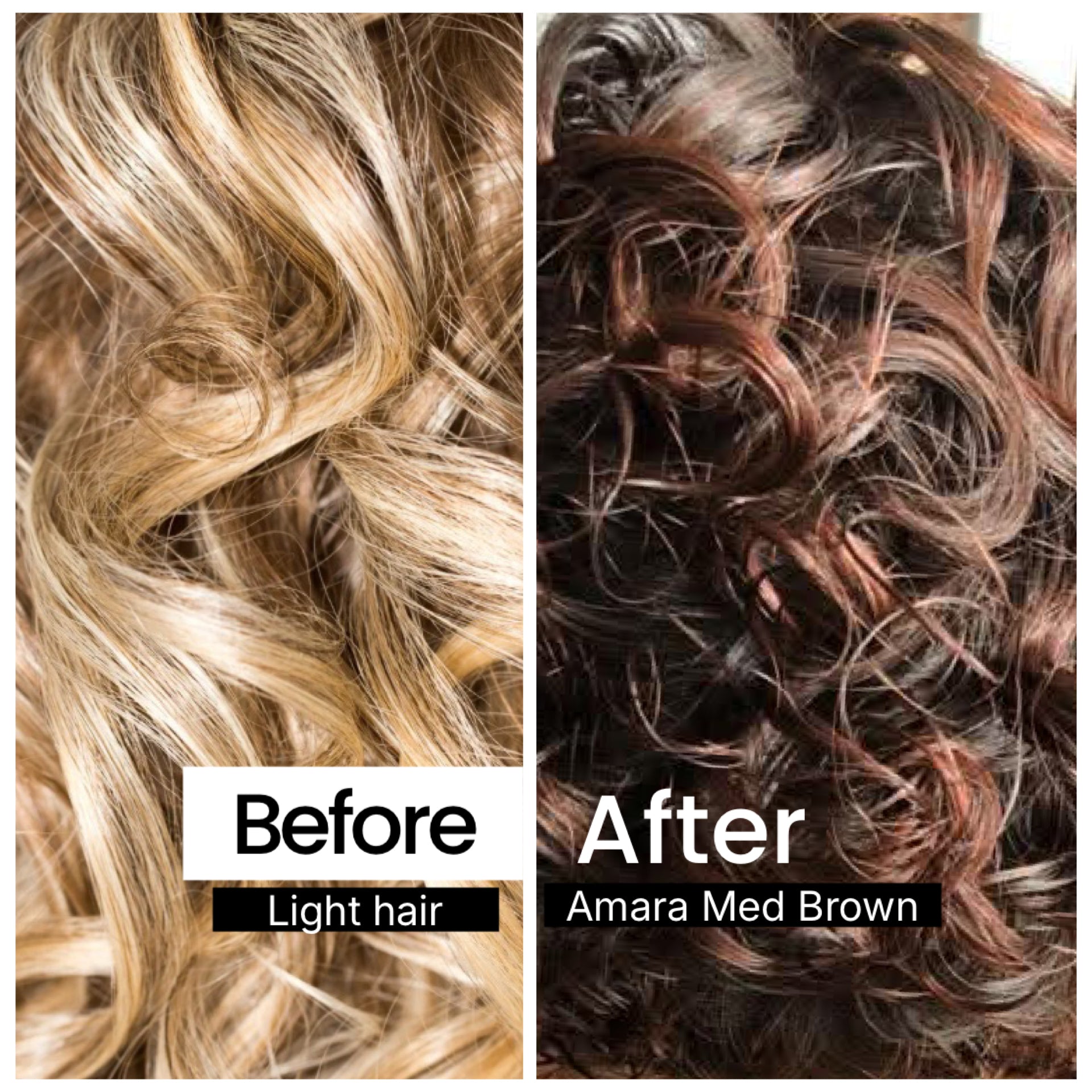
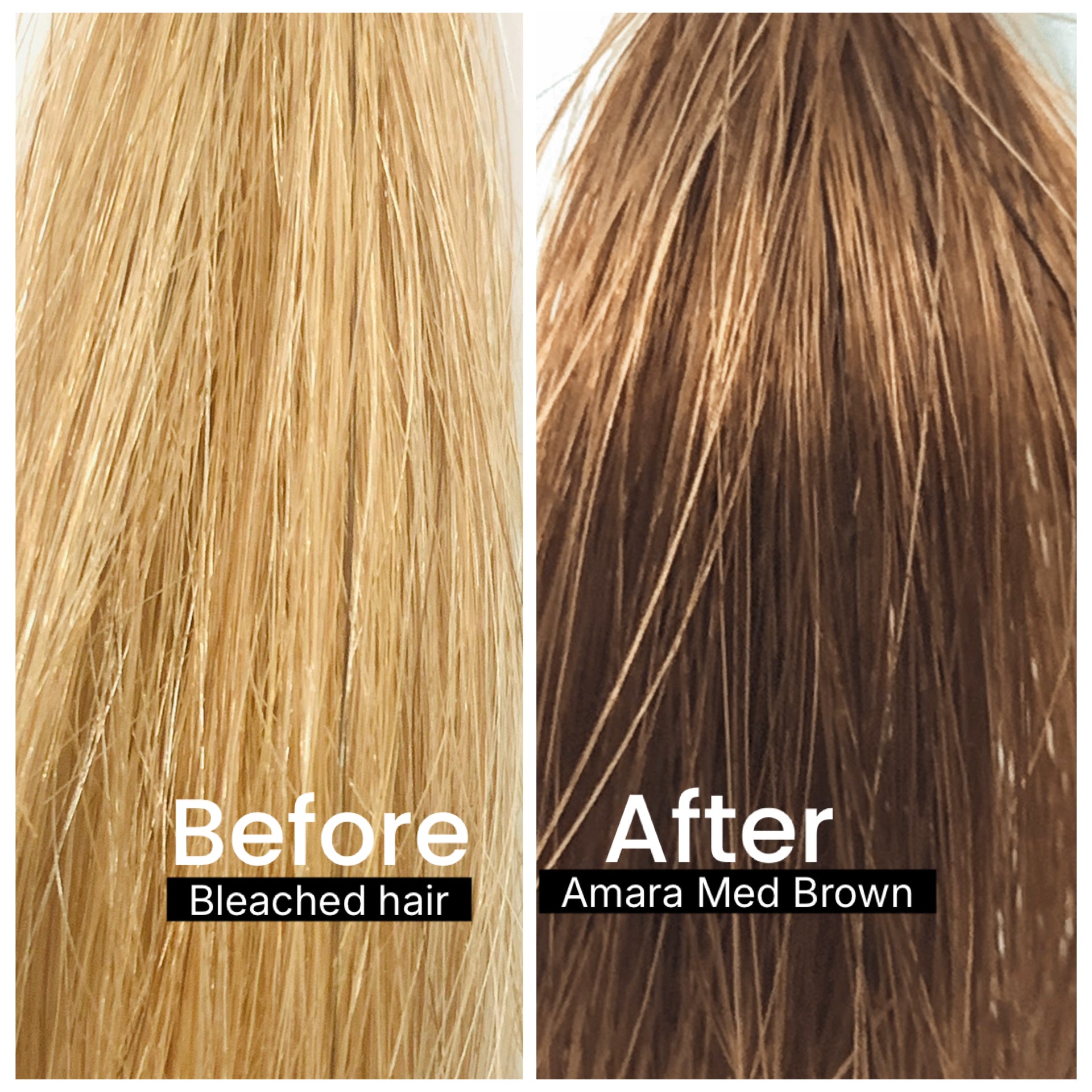
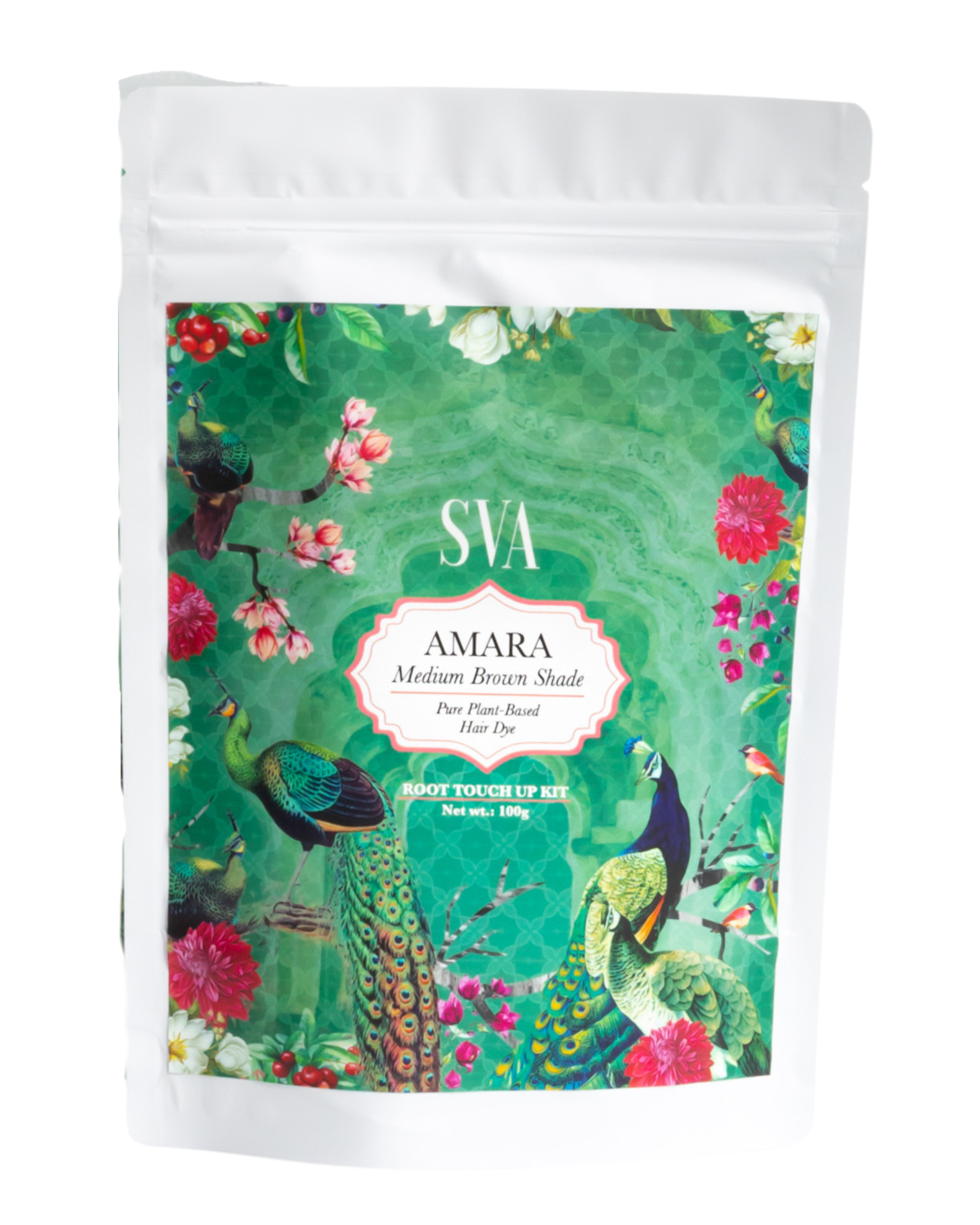
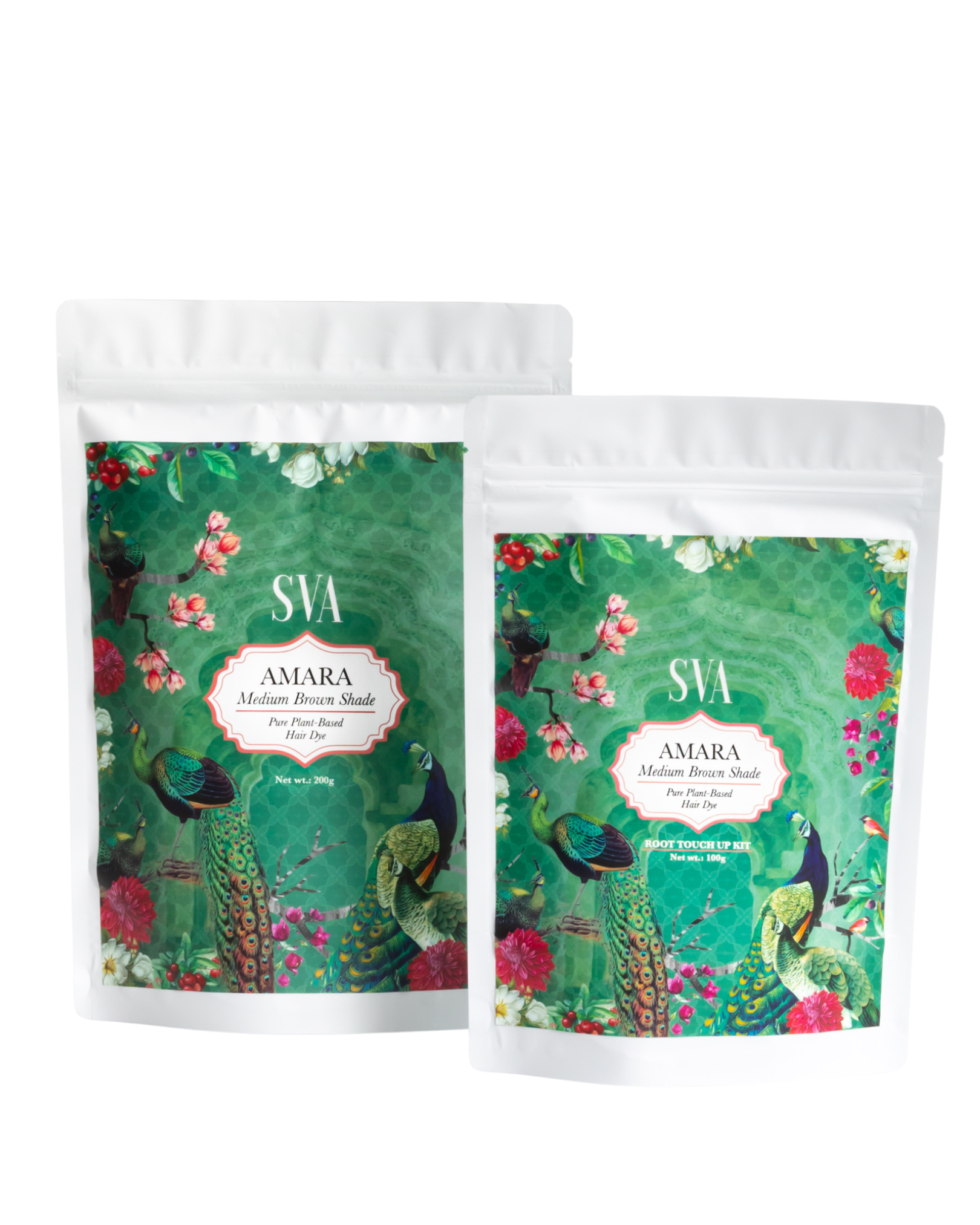
SVA Plant-Based Hair Dyes are made for women who want beautiful grey coverage without PPD, ammonia, peroxide or metallic salts — just high-performing botanical powders like henna, indigo and cassia. Read the label. Know what is in it. Then choose the colour routine your scalp and hair will thank you for.






0 comments