

The Great Hair Colour Debate
For decades, chemical hair dyes have dominated salon shelves and bathroom cabinets. But something is shifting. More and more women are stepping away from ammonia-laden boxes and turning to an ancient, time-tested alternative — henna and plant-based hair colour. And it's not just a trend. It's a movement rooted in science, health and a growing awareness of what we put on our bodies.
What's Actually in Chemical Hair Dye?
Most conventional hair dyes contain a cocktail of harsh chemicals, including:
- Ammonia — opens the hair cuticle to allow colour penetration, leaving hair dull, dry and brittle over time.
- PPD (Para-phenylenediamine) — a known carcinogen linked to skin sensitisation, allergic reactions and post inflammatory hyperpigmentation of the skin with prolonged exposure.
-
Peroxide (hydrogen peroxide) — aka the developer.
Hydrogen peroxide helps chemical dyes work by lightening the natural melanin in your hair and activating synthetic colour molecules inside the hair shaft (hair cortex). While this gives fast colour results, repeated oxidation can gradually make hair feel drier, rougher and more fragile.Studies show a correlation between consistent use of Peroxide and increased greying.
- Resorcinol — a hormone-disrupting chemical found in many permanent dyes that can create havoc with consistent and long-term exposure.
- Metallic salts — often found in progressive hair dyes, these can react unpredictably with other chemicals and build up on the scalp over time. Long after your hair dye washes out, metallic salts can stay trapped on your scalp and hair for 1 to 2 years. This ingredient is responsible for brittle hair and itching.
-
Mono-Ethanolamine (MEA): Often used as an ammonia substitute in "ammonia-free" hair dyes, MEA is a corrosive chemical that remains reactive on the scalp long after application. This residual activity can cause burning, irritation and over time, compromised hair health or hair loss.
In my 10 years of experience, the single most common complaint from women using ammonia-free hair dyes is persistent scalp itchiness and burning.
Yes, these ingredients deliver fast to cover greys with vibrant colour results as you desire — but often at a cost to your hair's health and your body's wellbeing.
What Is Plant-Based Hair Dye?
Plant-based hair dyes are exactly what they sound like — hair colour derived entirely from nature. The two primary ingredients are henna (Lawsonia inermis) and indigo (Indigofera tinctoria), both ancient plants that have been used for centuries across North Africa, Asia and West Asia (the Middle East) to colour hair and skin tattoo.
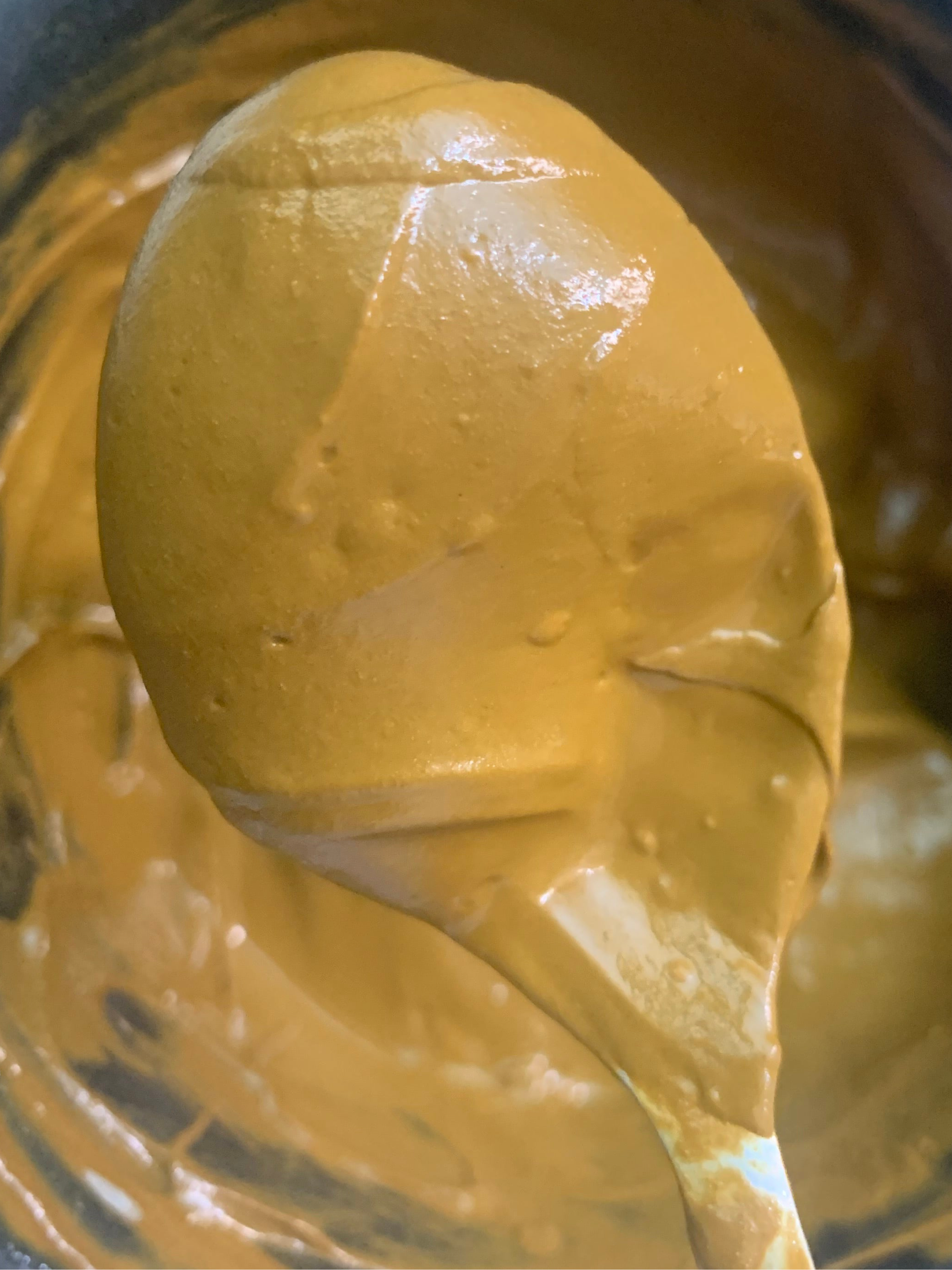
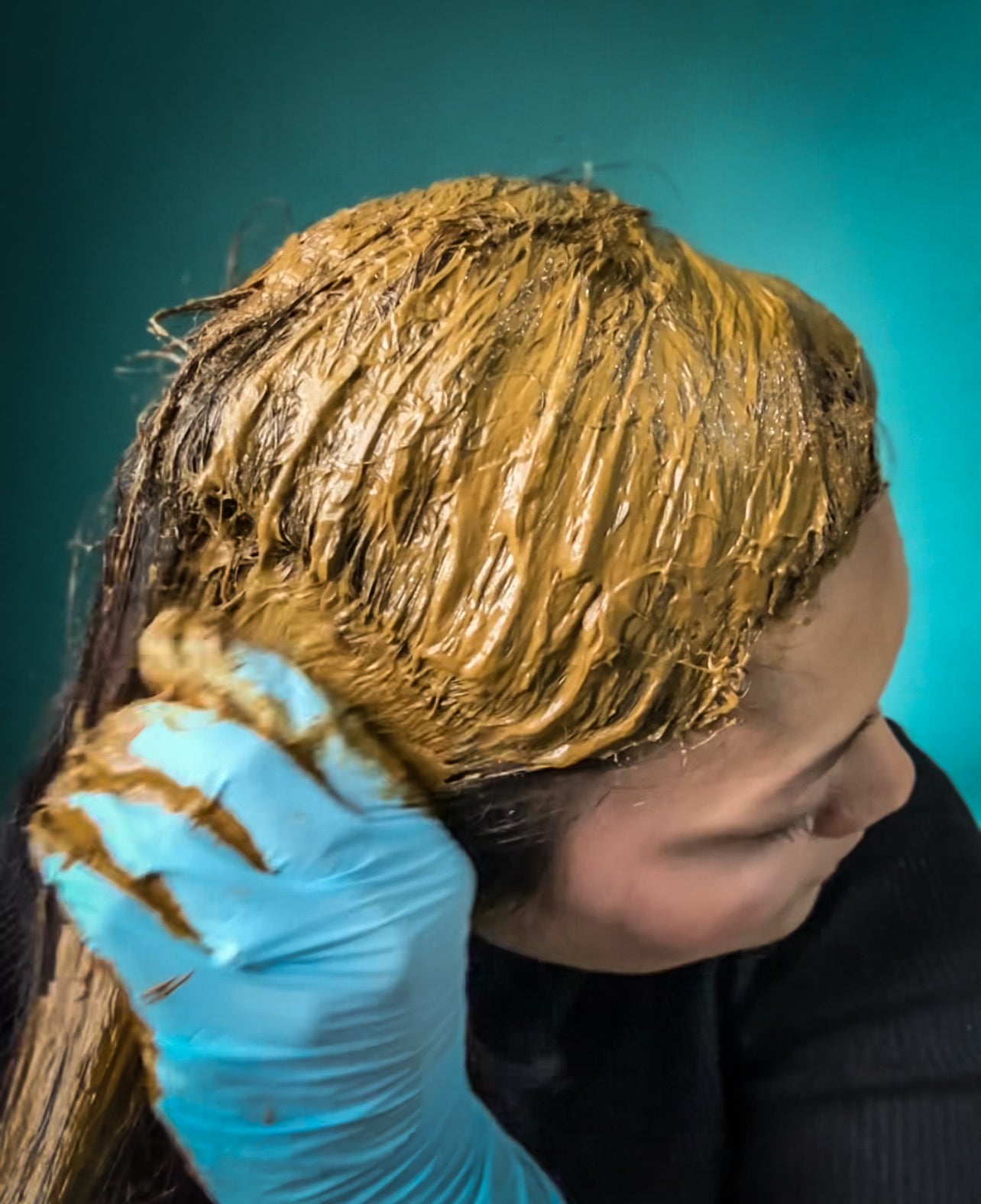
Henna releases a natural dye molecule called lawsone, which bonds to the keratin protein in your hair shaft — colouring it from the outside in, without stripping or oxidising your natural pigment. Indigo, when combined with henna, produces deeper tones from brown to black. Together, they create a full spectrum of natural shades — with zero synthetic chemicals involved.
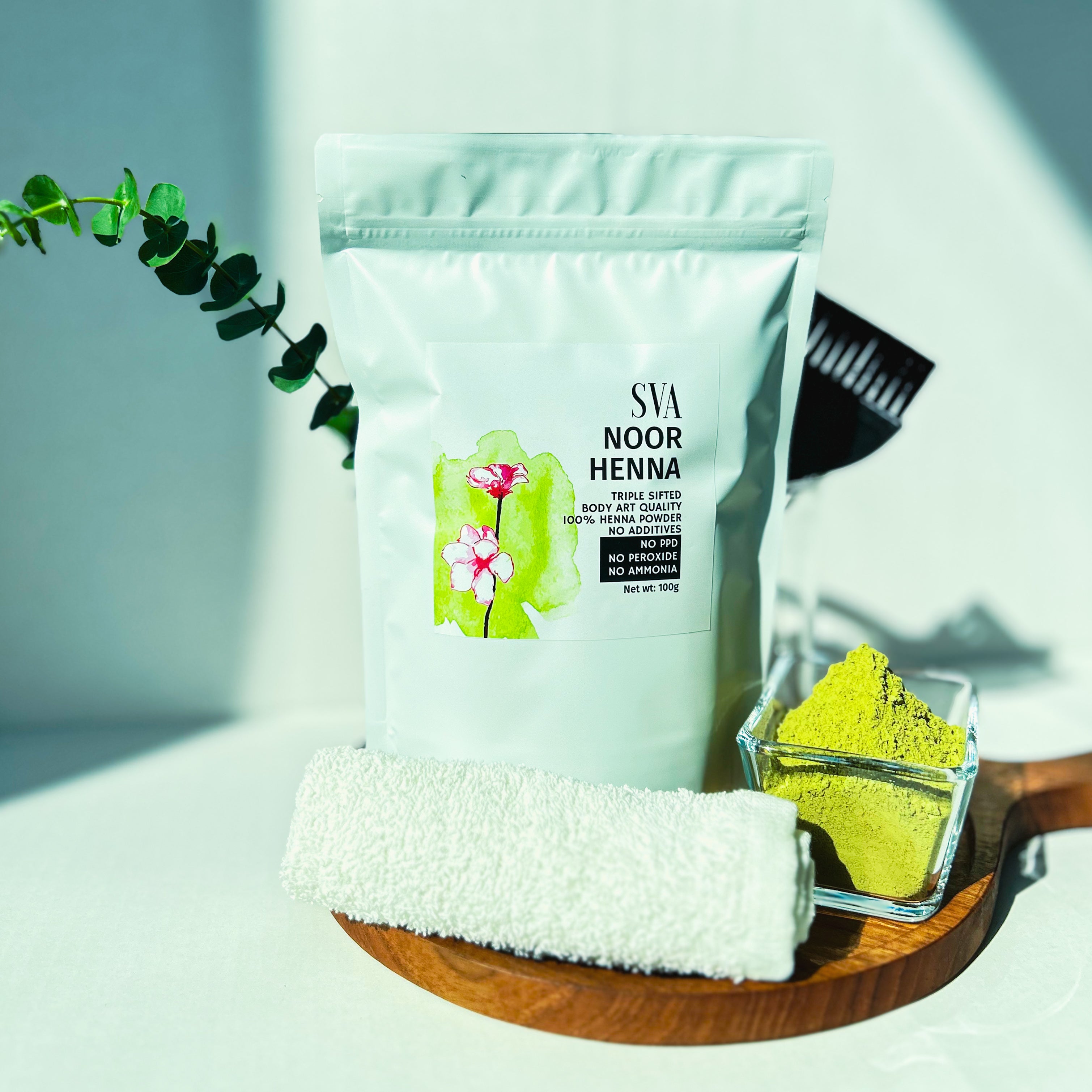
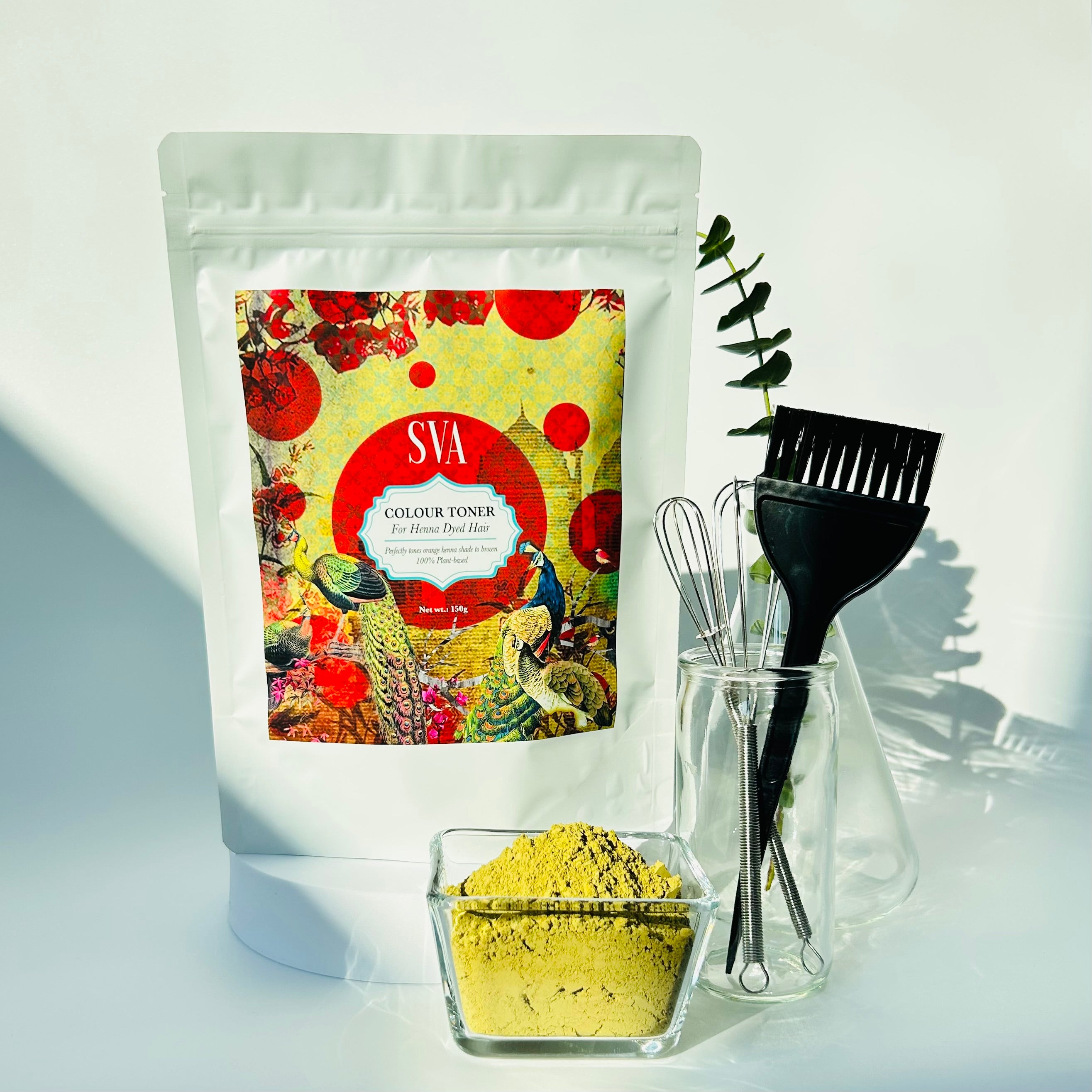
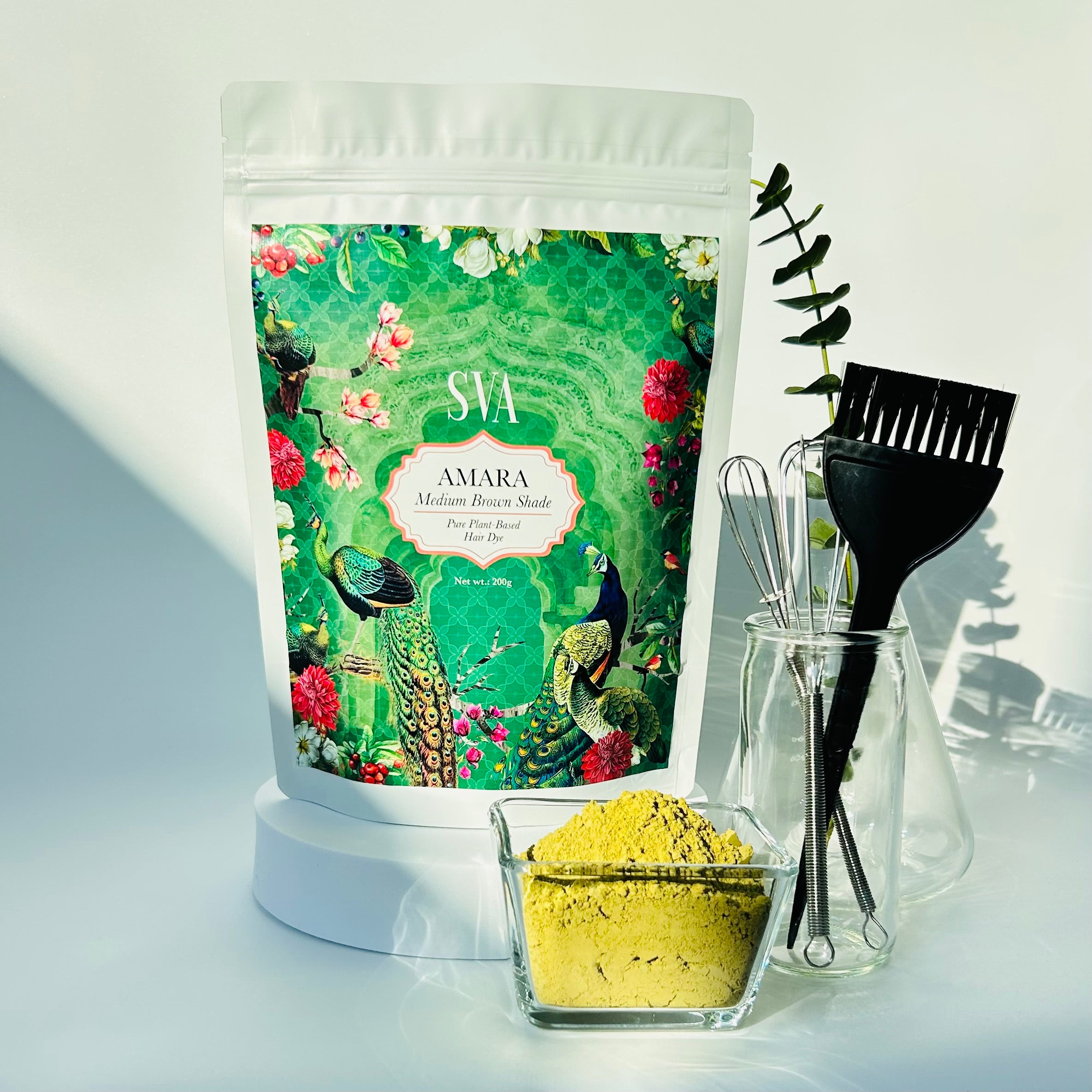
At SVA, our plant dyes are made from pure dried leaf powders — nothing added, nothing hidden. Just nature, working exactly as it was designed to.
What Makes Plant-Based Dye Different?
Plant-based hair dyes like SVA's henna and indigo formulations work with your hair, not against it.
Here's how they compare:
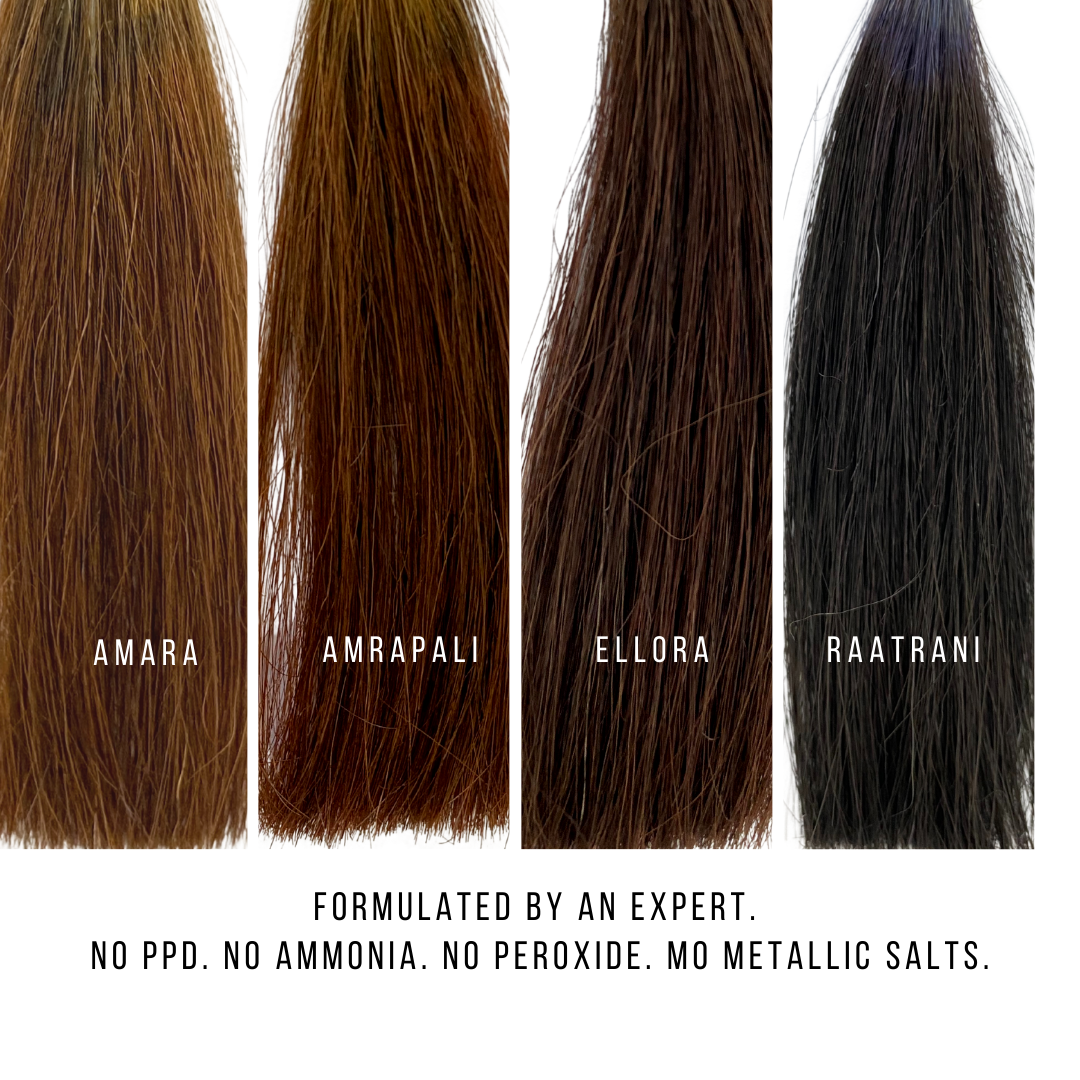
- No Ammonia, No PPD, No Peroxide — zero harsh chemicals means zero damage to the hair shaft
- Minimal ingredients, maximum purity — SVA plant-based hair dyes contain just 2–3 ingredients at most. Compare that to conventional chemical dyes which can contain up to 25–30 harsh synthetic chemicals. Less is more — especially when it comes to what you put on your hair & scalp.
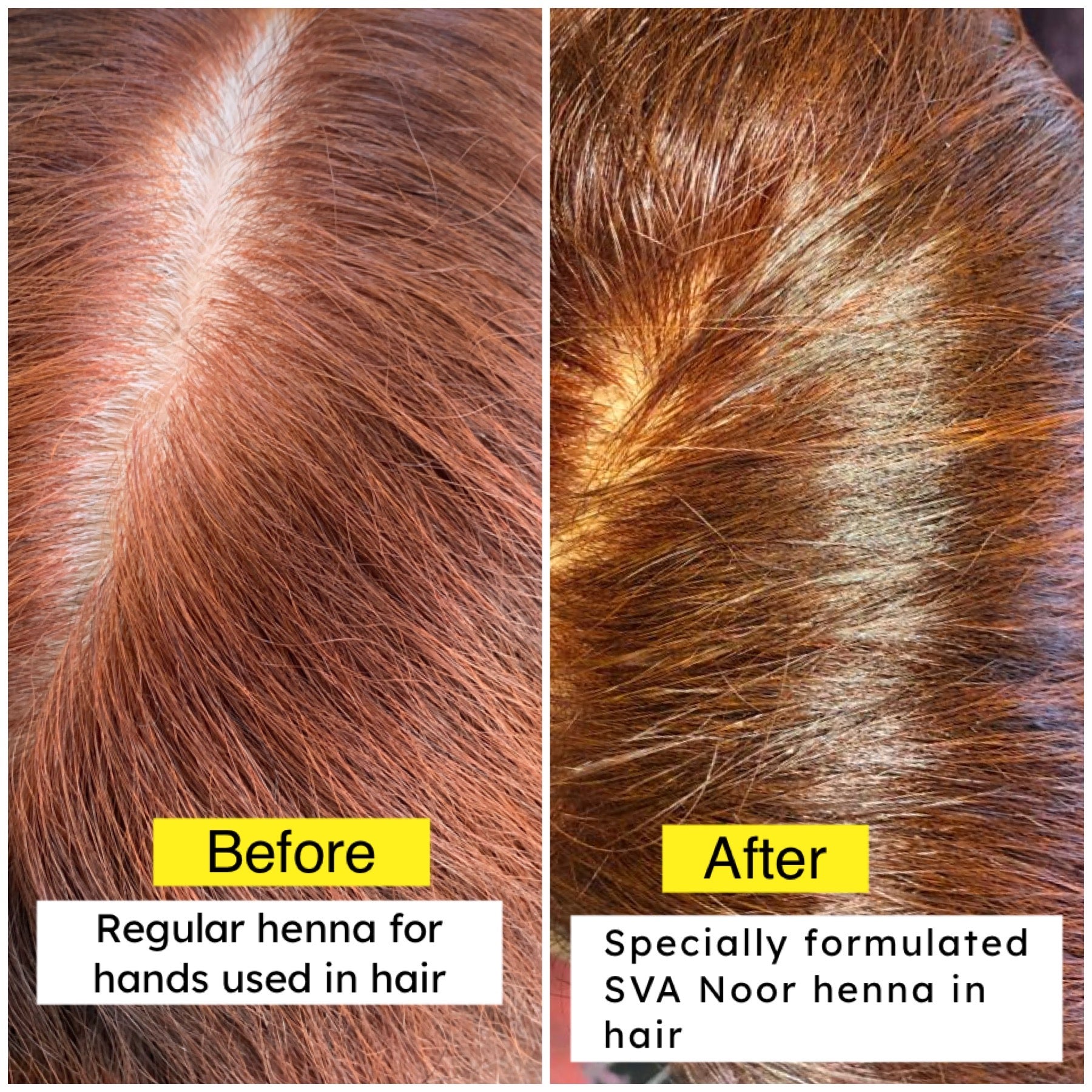
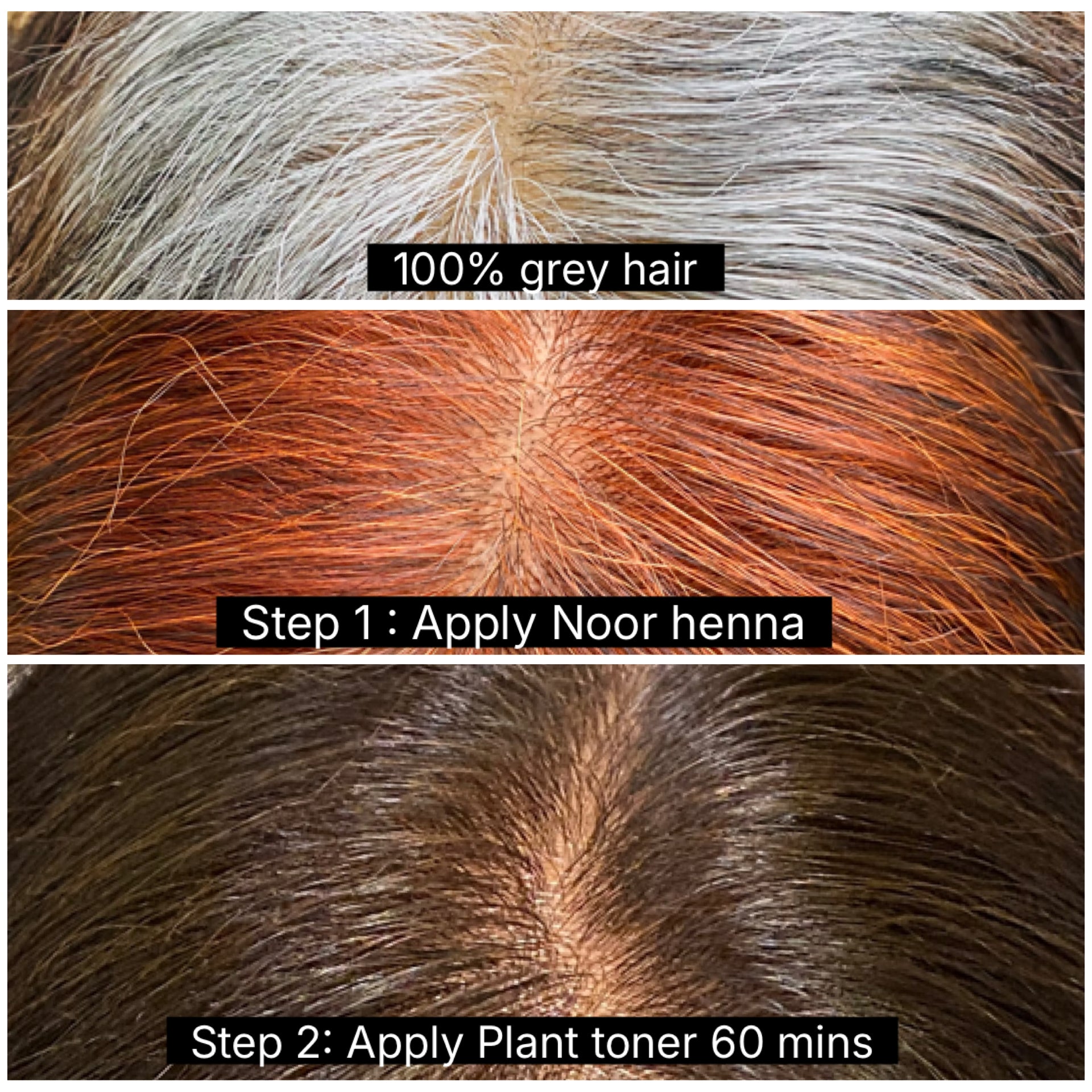
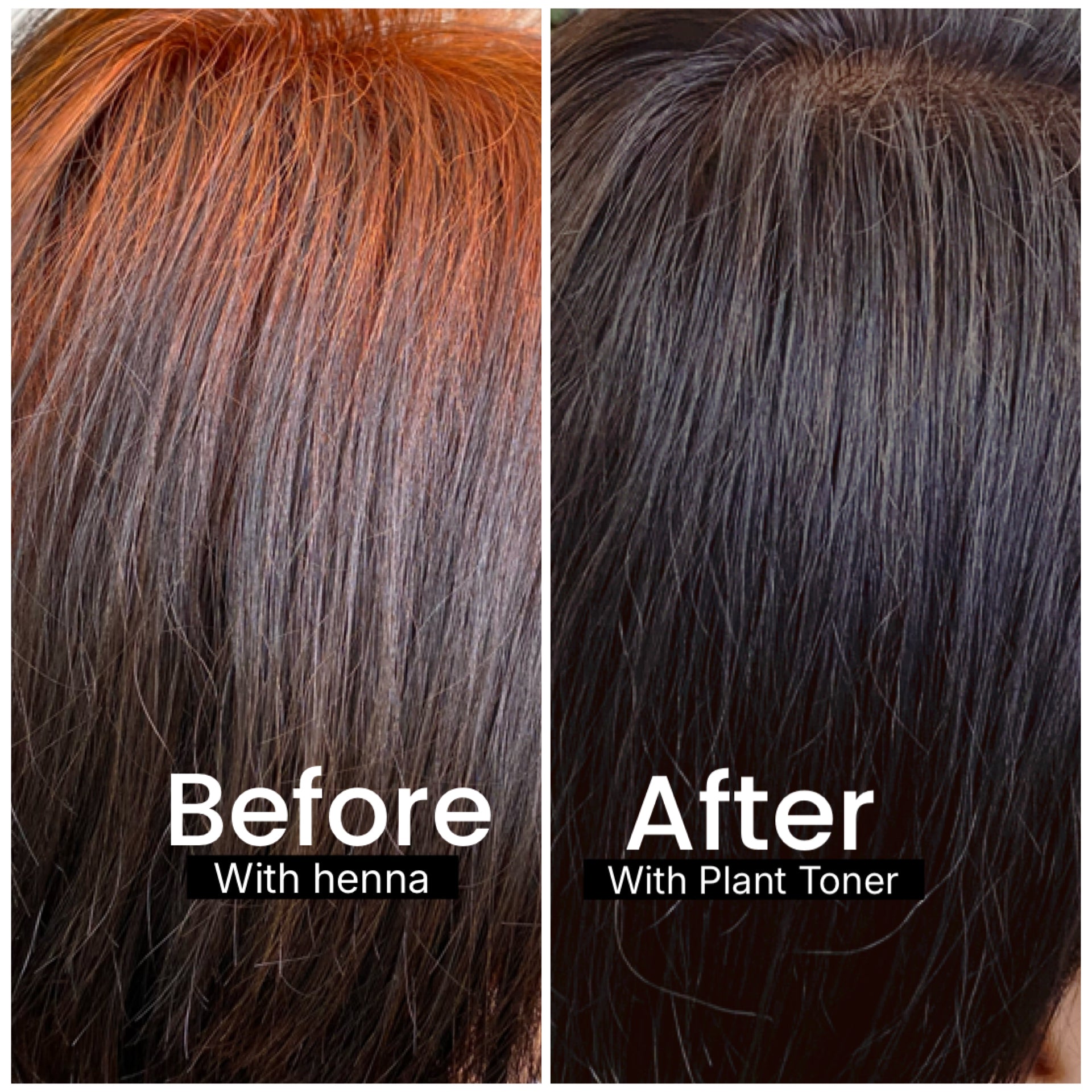
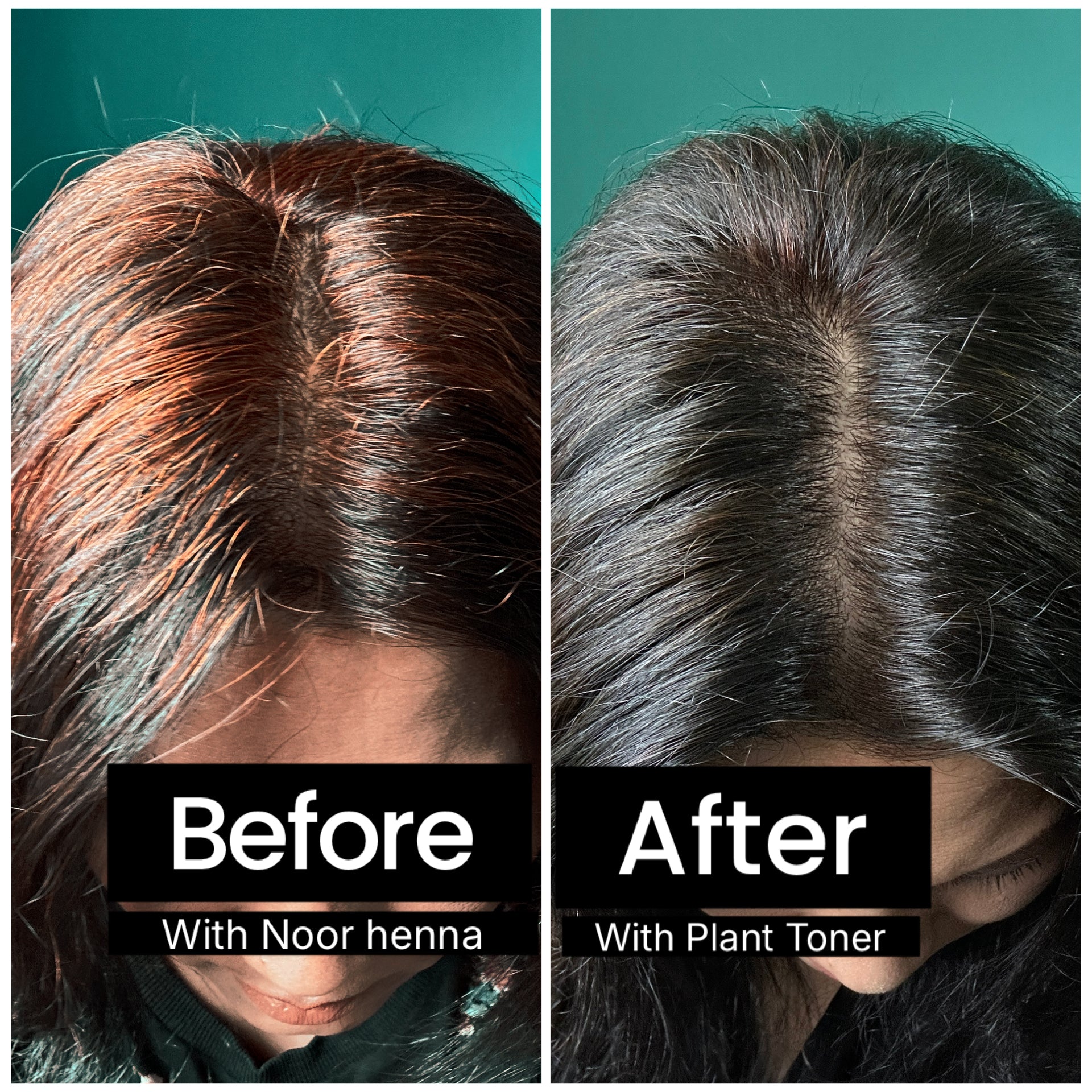
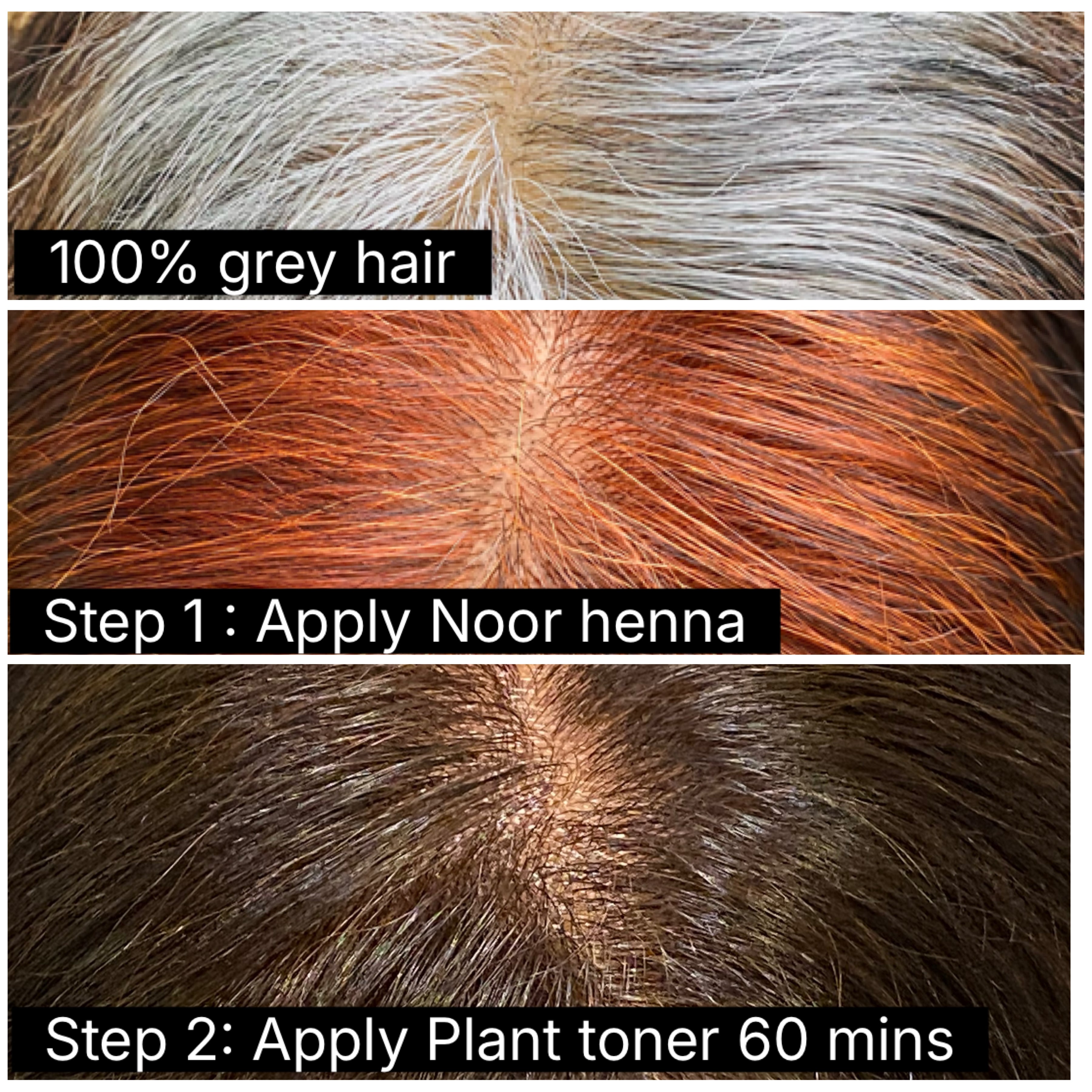
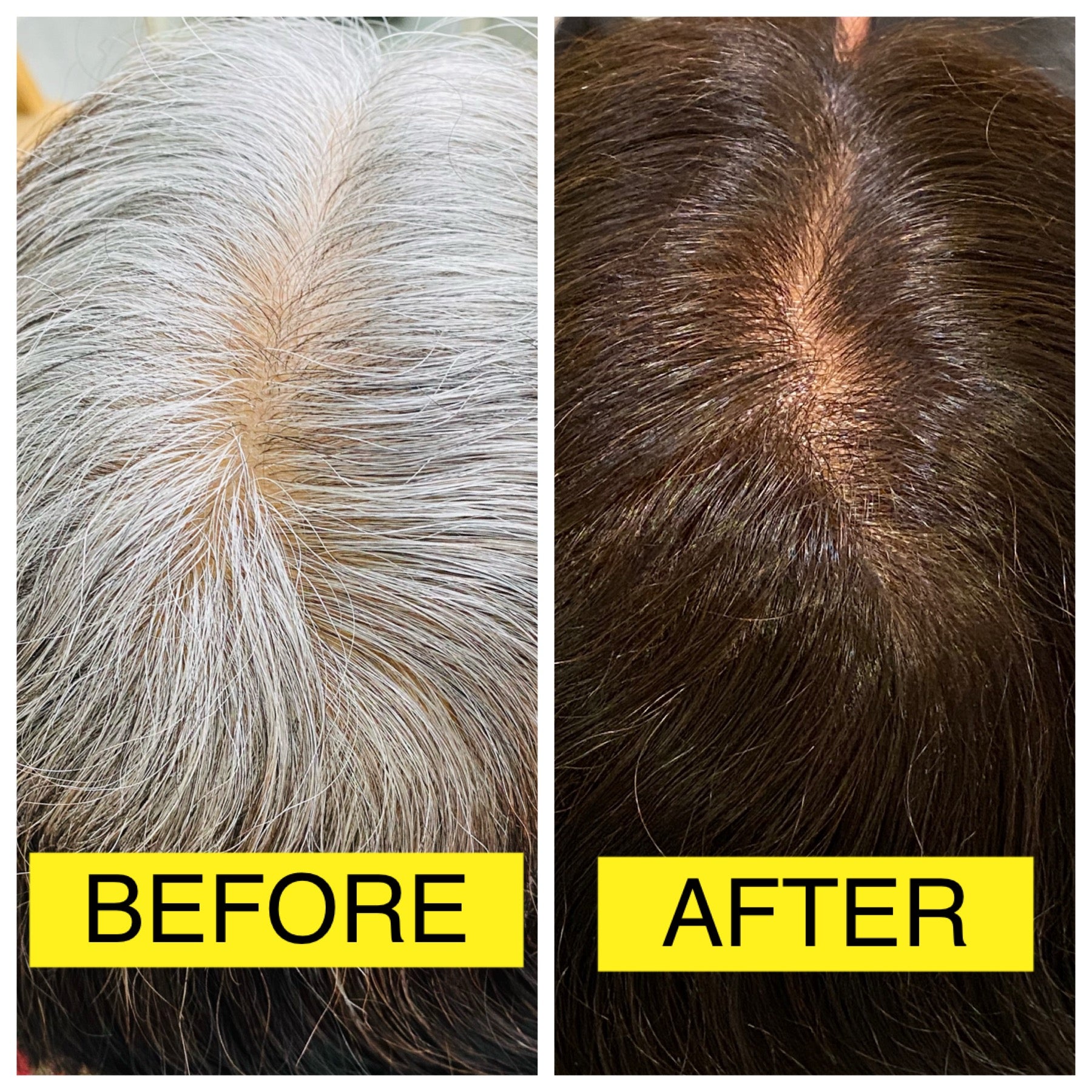
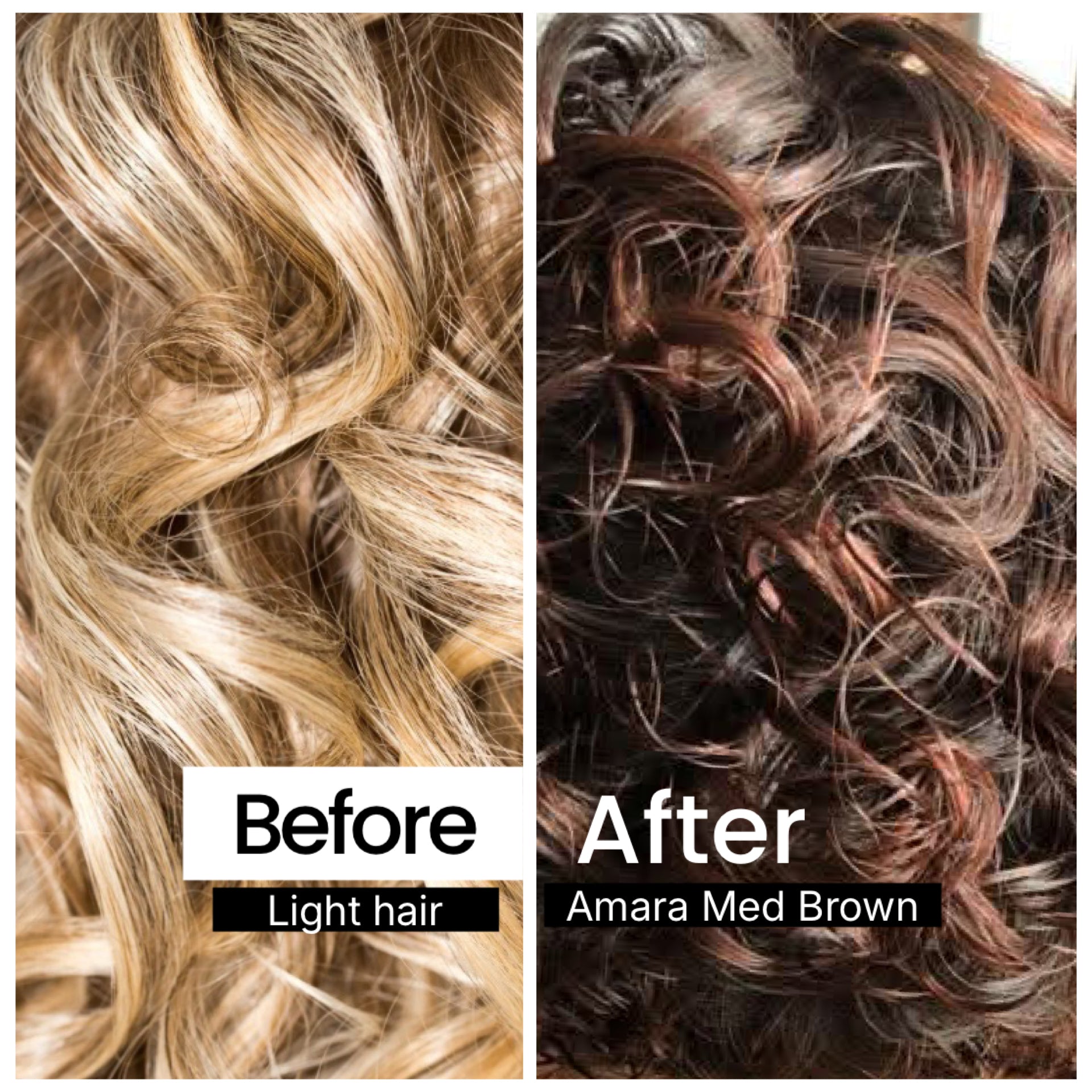
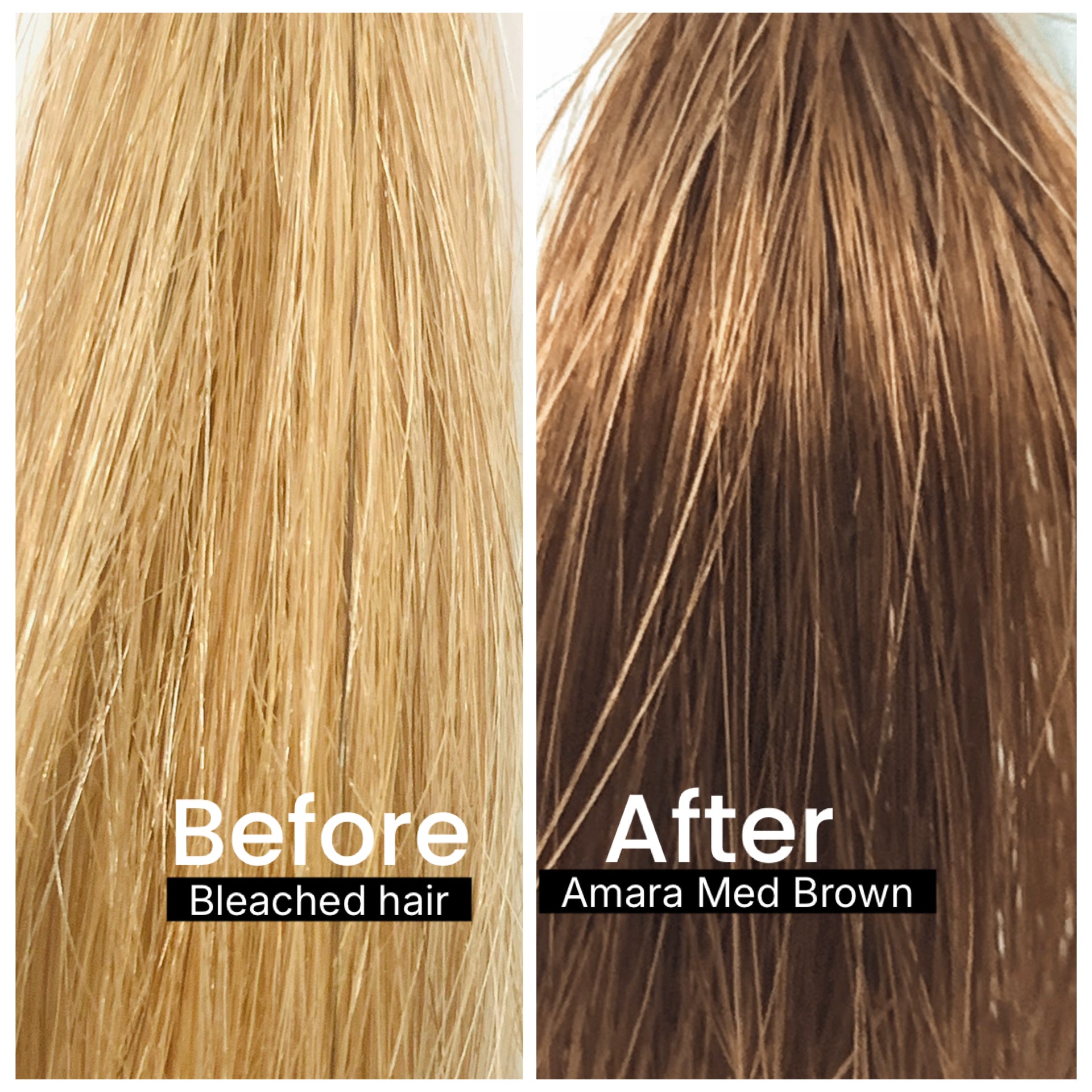
- Cover greys naturally — 100% grey coverage that lasts — henna and indigo, when used correctly, can provide 100% long-lasting grey coverage. With the right combination, shades like Auburn, Medium Brown, Dark Brown and Black can be achieved with ease — all with pure plant leaf powders.
- A hair colour AND a conditioning treatment — SVA Plant Dyes double up as a hair colour and deep conditioning treatment. The more you use it, the healthier, shinier and more nourished your hair becomes.
- Repairs dry, frizzy and damaged hair naturally — chemical dyes break down the hair cuticle, causing trans-epidermal water loss that leaves hair dry, frizzy and brittle. Henna works differently — its dye molecules bond directly to the hair protein thus cementing the broken cuticles, sealing in moisture and restoring smoothness. The result? Visibly shinier, healthier hair with every application. Think of it as a natural alternative to expensive keratin treatments — without the formaldehyde.
- Gentle on sensitive scalps — Formulated without corrosive chemicals, synthetic fragrances or harsh alkalizers, significantly reducing the risk of scalp irritation, burning sensations and contact sensitivity. Pure plant-based ingredients offer a gentle, soothing alternative for reactive scalps.
- Free from synthetic fragrances, phthalates and PEG derivatives — many chemical dyes contain hidden hormone-disrupting additives like synthetic fragrances, phthalates and PEG (polyethylene glycol) derivatives. SVA Plant Based Hair Dyes contain none of these — just pure plant ingredients, nothing more.
- Sustainable and eco-friendly — plant-derived, biodegradable, and kind to the planet.
But Does It Really Cover Greys?
This is the question we hear most — and the answer is a resounding yes, when used correctly. SVA's signature two-step henna & indigo protocol is specifically formulated for 100% grey coverage and deep conditioning. The key is consistency. Most of our clients who see a visible transformation have been using SVA dyes regularly for 3–6 months and the results speak for themselves.
The Switch: What to Expect
Transitioning from chemical to plant-based dye is a journey, not an overnight change. Here's a realistic timeline:
- First application: Delivers noticeable coverage and immediate softness. While stubborn greys may require an extra step or regular use for best coverage, your hair texture will instantly feel smoother.
- 2–3 applications: With consistent use 2-3 times, you will notice better coverage on stubborn greys. Hair appears shinier, more vibrant and evenly toned—with improved texture.
- 3–6 months: Visible improvement in hair texture, shine and grey coverage. You will start loving your hair again.
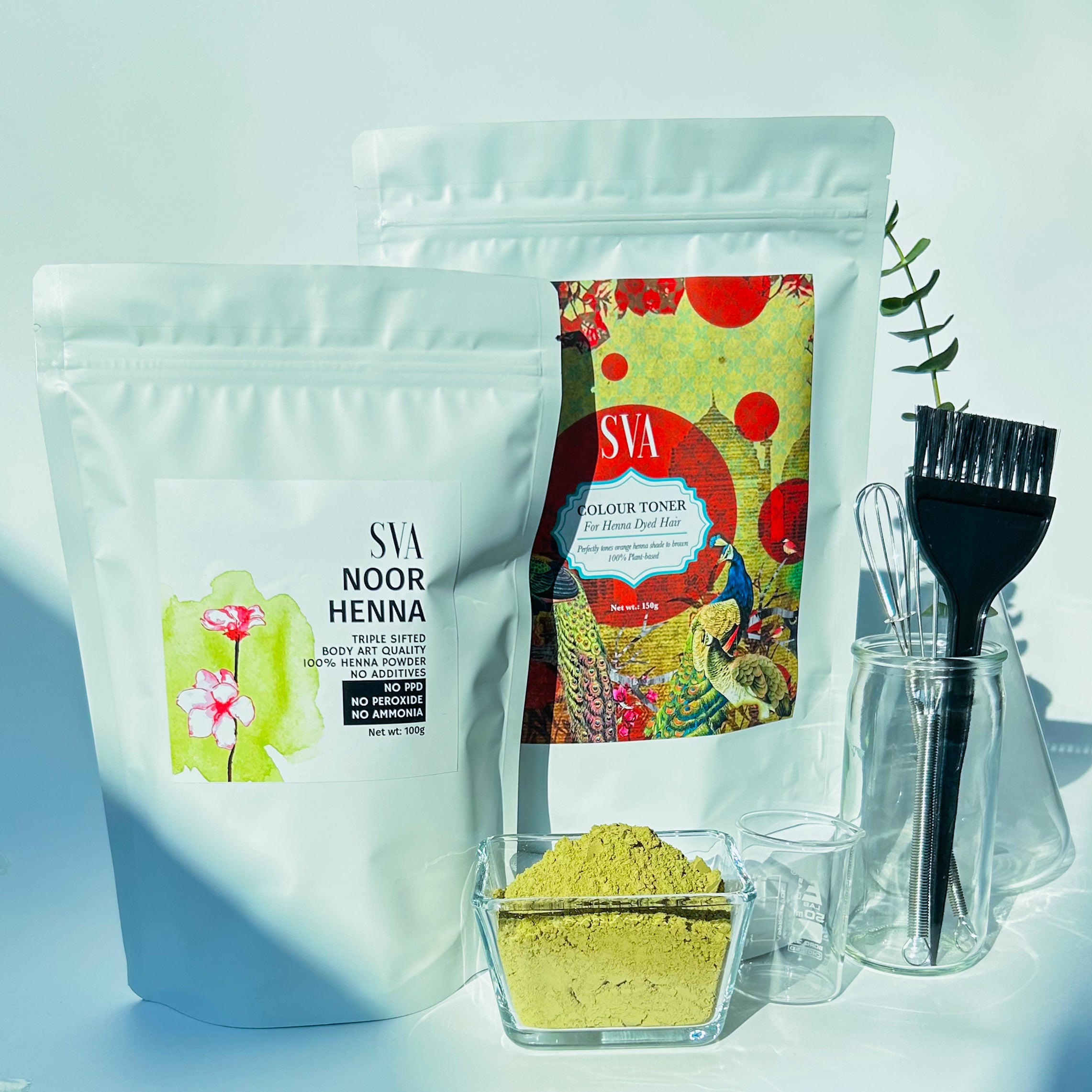
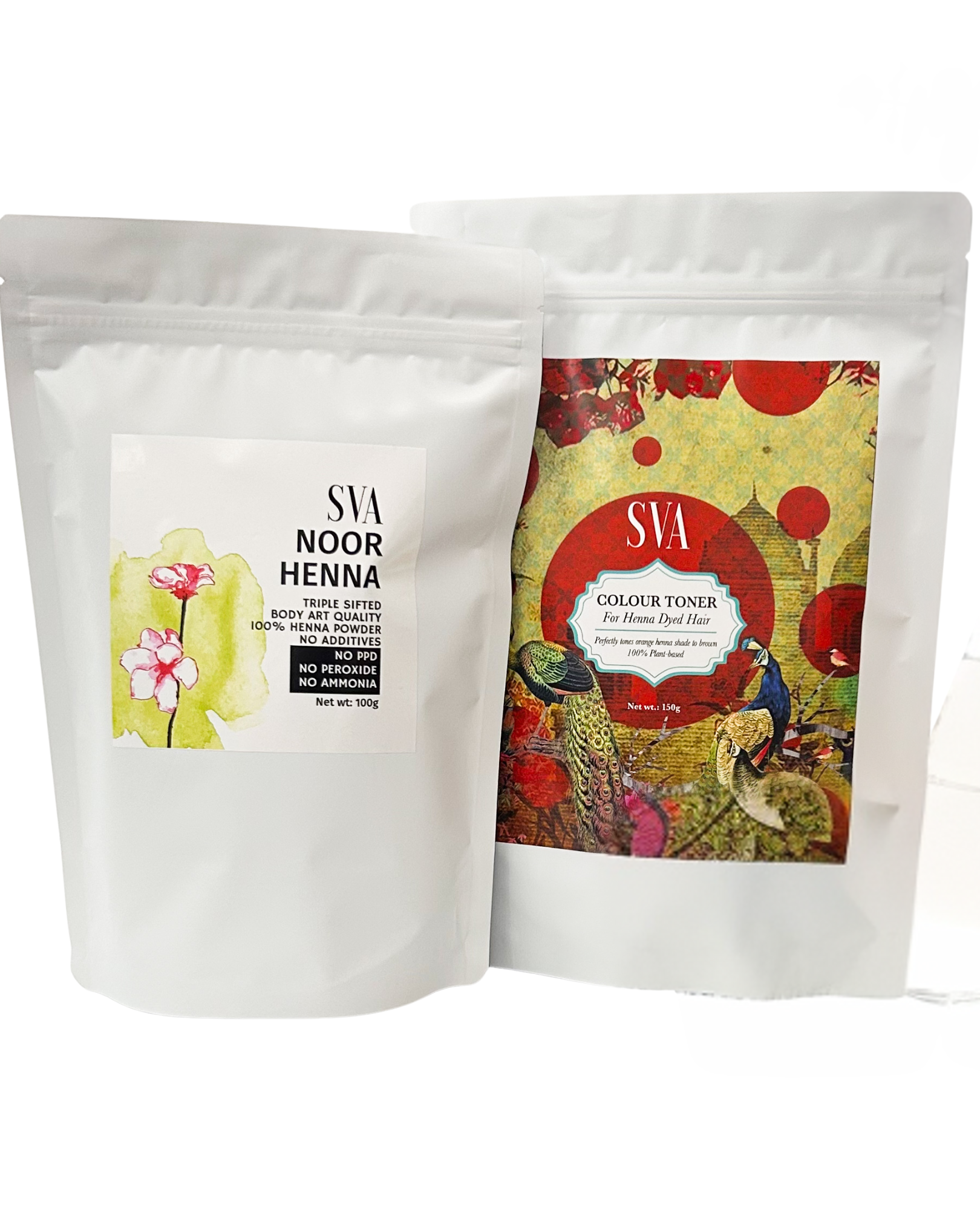
- 6-9 months: Get ready for compliments- Experience a complete hair transformation with marked improvements in texture, softness and radiant shine. By this stage, your hair is fully accustomed to SVA Plant Based Hair Dye for seamless grey coverage. If you are using the signature two-step SVA Noor Henna and Plant Toner (Indigo) protocol, expect a significant reduction in the scalp irritation and burning typical of synthetic dyes. Additionally, strands become noticeably stronger from root to tip, helping prevent breakage and thinning.
The women who commit to the switch often tell us they wish they had done it sooner — not just for their hair, but for how it makes them feel knowing exactly what's going on their body.
Ready to Make the Switch?
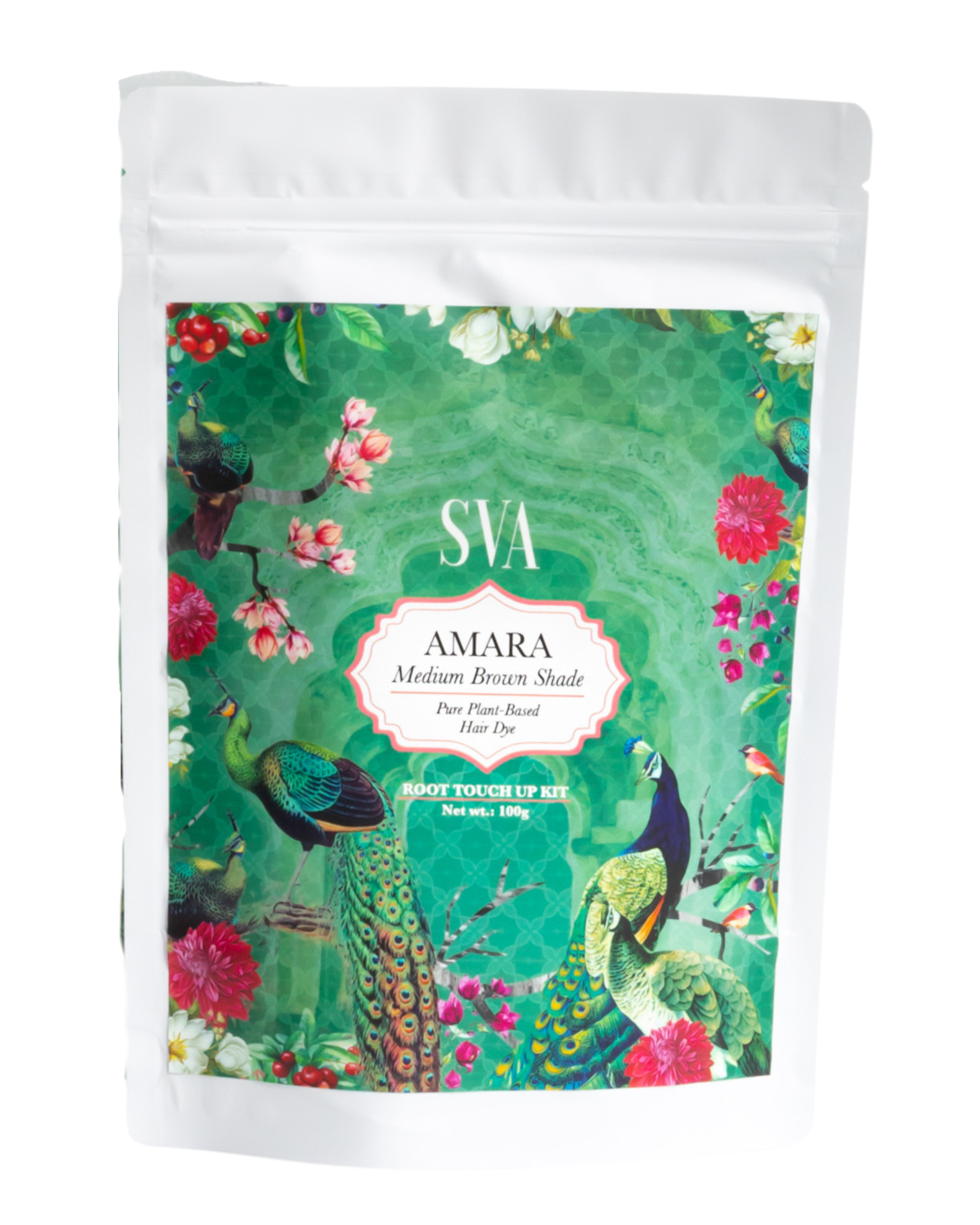
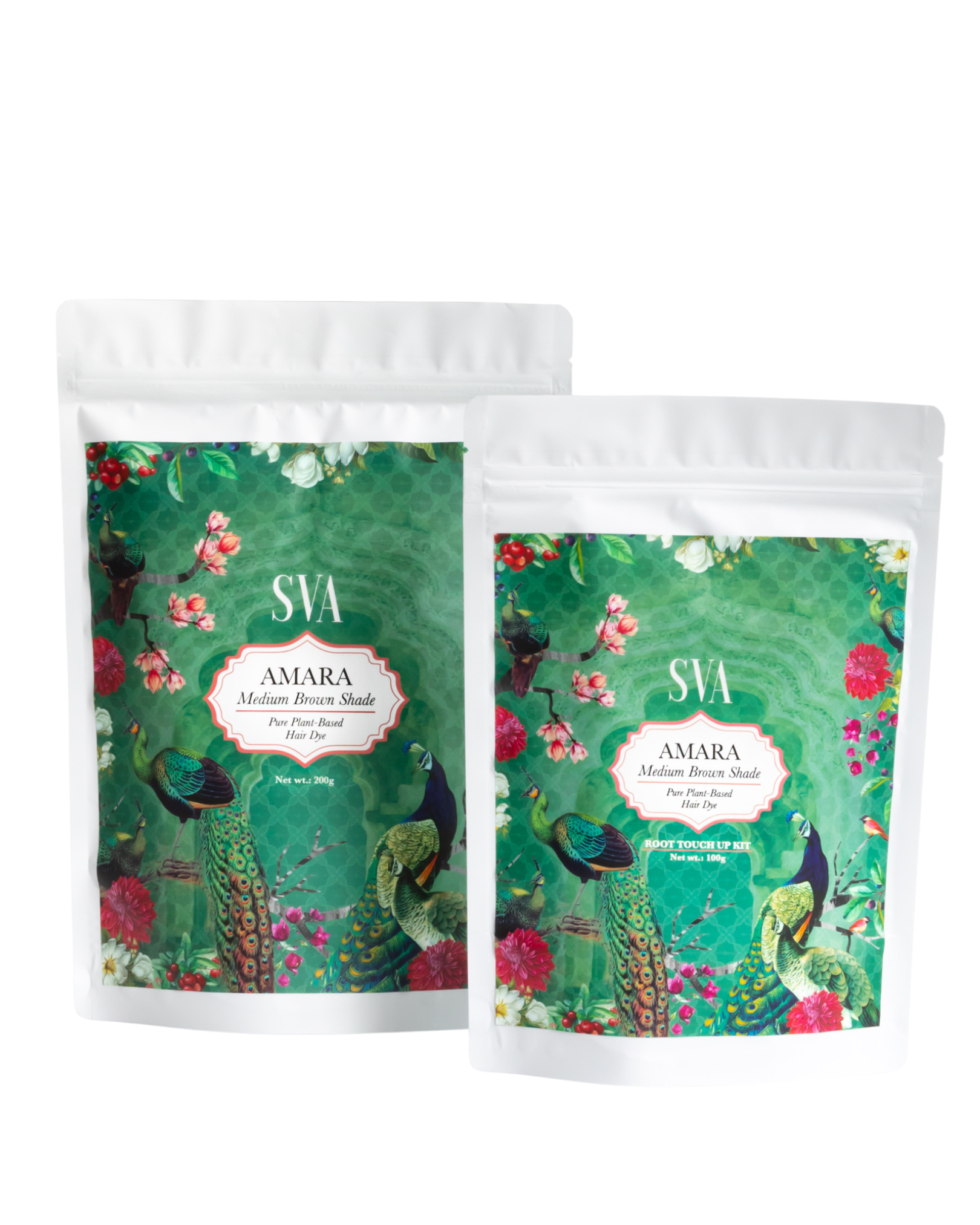
SVA Plant Based Hair Dyes are crafted with pure henna and indigo — no fillers, no chemicals, no compromise. Whether you're covering greys for the first time or looking to restore damaged hair, our plant-based system is designed to deliver beautiful, healthy results.
Explore our range and take the first step towards hair colour that loves you back. 🌿
-Deepali Razdan
Connect with me on Email deepali@back2nature.com
*People are rarely allergic to henna. While some can be allergic to indigo leaf powder — just like one can be allergic to natural ingredients like nuts and seeds — a patch test is always recommended before using our products.






0 comments